Popular search terms
  • Biosecurity toolkit
  • Contact us
  • What is biosecurity?
  • Farm Biosecurity Program
  • Plant pest responses
  • Animal disease response
  • Farm profiler
  • Toolkit
  • Subscribe
  • About
    • About the Farm Biosecurity Program
    • Emergency animal disease responses
    • Emergency plant pest responses
  • Essentials
    • Farm inputs
    • Farm outputs
    • Ferals & weeds
      • Wild dog biosecurity
    • People, vehicles & equipment
    • Production practices
    • Train, plan & record
    • Videos
  • Toolkit
    • Gate sign
    • Create your own biosecurity kit
    • Declarations
    • Manuals
    • On-farm biosecurity planning
    • Records
  • Crops
    • Cotton
      • Cotton best management practice
      • Cotton product management
      • Cotton pests
    • Feed mills
    • Fruit & nuts
      • Fruit & nut pests
        • Apple and pear pests
        • Avocado pests
        • Banana pests
        • Cherry pests
        • Citrus pests
        • Mango pests
        • Nut pests
        • Papaya pests
        • Summerfruit pests
      • Fruit & nut product management
    • Grains
      • Grains pests
      • Grains product management
      • Grain storage options
    • Honey bees
      • BeeAware website and newsletter
      • Code of Practice and National Bee Biosecurity Program
      • Honey bee glossary
      • Honey bee product management
      • Honey bee pests
      • Honey bee best management practice
      • Beekeeper advisory – mosquito insecticide control during the 2022 Japanese encephalitis outbreak
    • Nursery & garden
      • Nursery & garden pests
      • Nursery & garden product management
      • Nursery & garden best management practice
    • Onions
      • Onion pest threats
      • Onion pest eradication or control examples
    • Plantation forestry
      • Forestry biosecurity practices
      • Forestry pests
      • Hypothetical exotic bark beetle incursion
      • Plantation forestry quality assurance
    • Potatoes
      • Potato pest threats
      • Potato biosecurity areas
    • Sugarcane
      • Sugarcane best management practice
      • Sugarcane biosecurity essentials
      • Queensland Sugarcane Biosecurity Zones
      • Sugarcane pests and weeds
    • Vegetables
      • Vegetable pests
      • Vegetable product management
    • Viticulture
      • Phylloxera
      • Viticulture pests
      • Viticulture product management
  • Livestock
    • Alpacas
    • Beef cattle
    • Chickens
    • Dairy cattle
    • Ducks
    • Eggs
    • Feed mills
    • Goats
    • Horses
      • Mosquito Management for Horses
    • Lot feeding
    • New and emerging livestock industries
    • Pigs
      • Feeding your pigs
      • Controlling mosquitoes around piggeries
    • Ratites
    • Sheep
    • Zoo animals
  • Get help
    • Animal health and biosecurity extension
      • Property biosecurity management planning
  • News
    • E-newsletter
    • Subscribe to Farm Biosecurity News
  • Stories
  • Videos

Preparing your property for the new year

Print this page
  • Home
  • News
  • Preparing your property for the new year

Preparing your property for the new year

Summer in Australia brings diverse challenges, from extreme heat and bushfires to heavy rainfall and flooding. Ideally, preparation starts before the season begins. But if you haven’t had the chance, January is still a good time to tackle essential jobs that protect your animals, maintain infrastructure, and reduce risks. Strong biosecurity practices remain critical, alongside general summer readiness.

Fire preparedness remains critical

For much of southern Australia, summer is prime grassfire and bushfire season. This is when vegetation is driest, and temperatures are highest. Walk your property boundaries and check that firebreaks are clear, vegetation is slashed back from buildings, and fuel loads are managed. Clean gutters thoroughly and ensure pumps, hoses, and water supplies are ready for firefighting. Review your bushfire survival plan with staff and family members.

Water management for livestock

Water demand can peak in the hotter months. Check water levels in tanks and dams and implement conservation measures early if supplies are low. Inspect tanks for leaks, clear gutters and downpipes, and ensure pumps and irrigation systems are in good working order. For livestock, confirm all water points are functional and that animals have access to clean water. Dehydration can kill quickly in extreme heat.

Fencing and property security

Damaged fences allow stock to stray and increase disease risks through contact with neighbouring animals. Check fence lines and repair weak points, especially corners and gateways.

Machinery maintenance for animal care

Reliable equipment is essential for tasks like transporting stock or accessing water points during heatwaves. Service machinery and vehicles now to avoid breakdowns during emergencies.

Stock management during summer

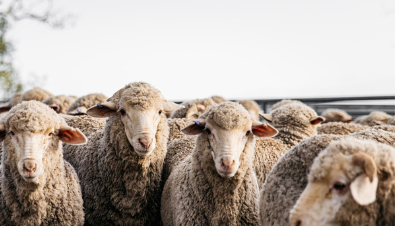
Heat stress, flies, and parasites are prevalent in January. Provide shade and clean water, monitor animals daily for signs of stress or illness, and consider supplementary feeding if pastures are dry. If you don’t have a fly control program in place, the has some great Flystrike tools to get you started. Make sure to keep accurate records of treatments and feeding to support animal health planning.

Visitor controls and animal movement

Visitors can unintentionally introduce pests, diseases, or contaminants to your property. Limit unnecessary access and keep a visitor log to track who enters and why. Provide clear signage and designate parking areas away from livestock zones. If visitors need to enter animal areas, supply clean boots or disposable covers and ensure they follow hygiene protocols. For new or returning animals, use quarantine areas to monitor health before mixing them with your main herd.

Infrastructure checks

Well-maintained infrastructure supports safe and healthy livestock management. Inspect sheds, yards, and water systems for damage that could compromise animal welfare or biosecurity. Repair roofs, gates, and drainage systems before problems escalate.

Record keeping for compliance and planning

Update stock records, treatment logs, and biosecurity plans. Accurate records help meet regulatory requirements and improve decision-making for animal health and disease prevention.

Plan for absences

If you’re taking a break to visit family or travel, arrange for someone reliable to check stock and water supplies. Even short periods of neglect can lead to serious animal welfare issues. Good neighbour relationships are invaluable for mutual support.

Keep biosecurity front of mind

Every task you complete in January — from repairing fences to managing pests — contributes to stronger biosecurity. Preventing disease incursions, maintaining animal welfare, and protecting your property from external risks should remain top priorities. A proactive approach now will pay dividends throughout the year, safeguarding your livestock and your livelihood.

Related resources

  • Bushfire Hub | Meat & Livestock Australia
  • Tools Archive – FlyBoss

Read the latest information on
Foot-and-mouth disease

Read the latest information on
Lumpy skin disease

Read the latest information on
Japanese encephalitis

Subscribe to our newsletter

Farm Biosecurity News

Use our profiler to make your

Biosecurity Toolkit

Latest News
  • 12 January 2026

    Preparing your property for the new year
  • 9 January 2026

    Biosecurity tips for this drought season
  • 18 December 2025

    Five essential resources for on-farm biosecurity in 2026
  • 26 November 2025

    Ella Matta Pastoral wins Farm Biosecurity Producer of the Year
  • 29 October 2025

    What to do if you suspect an EAD on your farm

Emergency Animal Disease Hotline
1800 675 888

Exotic Plant Pest Hotline
1800 084 881

  • Sitemap
  • Copyright
  • Contact us
  • Privacy & Disclaimer
  • Website by Morph Digital