Popular search terms
  • Biosecurity toolkit
  • Contact us
  • What is biosecurity?
  • Farm Biosecurity Program
  • Plant pest responses
  • Animal disease response
  • Farm profiler
  • Toolkit
  • Subscribe
  • About
    • About the Farm Biosecurity Program
    • Emergency animal disease responses
    • Emergency plant pest responses
  • Essentials
    • Farm inputs
    • Farm outputs
    • Ferals & weeds
      • Wild dog biosecurity
    • People, vehicles & equipment
    • Production practices
    • Train, plan & record
    • Videos
  • Toolkit
    • Gate sign
    • Create your own biosecurity kit
    • Declarations
    • Manuals
    • On-farm biosecurity planning
    • Records
  • Crops
    • Cotton
      • Cotton best management practice
      • Cotton product management
      • Cotton pests
    • Feed mills
    • Fruit & nuts
      • Fruit & nut pests
        • Apple and pear pests
        • Avocado pests
        • Banana pests
        • Cherry pests
        • Citrus pests
        • Mango pests
        • Nut pests
        • Papaya pests
        • Summerfruit pests
      • Fruit & nut product management
    • Grains
      • Grains pests
      • Grains product management
      • Grain storage options
    • Honey bees
      • BeeAware website and newsletter
      • Code of Practice and National Bee Biosecurity Program
      • Honey bee glossary
      • Honey bee product management
      • Honey bee pests
      • Honey bee best management practice
      • Beekeeper advisory – mosquito insecticide control during the 2022 Japanese encephalitis outbreak
    • Nursery & garden
      • Nursery & garden pests
      • Nursery & garden product management
      • Nursery & garden best management practice
    • Onions
      • Onion pest threats
      • Onion pest eradication or control examples
    • Plantation forestry
      • Forestry biosecurity practices
      • Forestry pests
      • Hypothetical exotic bark beetle incursion
      • Plantation forestry quality assurance
    • Potatoes
      • Potato pest threats
      • Potato biosecurity areas
    • Sugarcane
      • Sugarcane best management practice
      • Sugarcane biosecurity essentials
      • Queensland Sugarcane Biosecurity Zones
      • Sugarcane pests and weeds
    • Vegetables
      • Vegetable pests
      • Vegetable product management
    • Viticulture
      • Phylloxera
      • Viticulture pests
      • Viticulture product management
  • Livestock
    • Alpacas
    • Beef cattle
    • Chickens
    • Dairy cattle
    • Ducks
    • Eggs
    • Feed mills
    • Goats
    • Horses
      • Mosquito Management for Horses
    • Lot feeding
    • New and emerging livestock industries
    • Pigs
      • Feeding your pigs
      • Controlling mosquitoes around piggeries
      • Pig biosecurity management resources
    • Ratites
    • Sheep
    • Zoo animals
  • Get help
    • Animal health and biosecurity extension
      • Property biosecurity management planning
  • News
    • E-newsletter
    • Subscribe to Farm Biosecurity News
  • Stories
  • Videos

News

Print this page
  • Home
  • News
  • How AUSPestCheck® connects systems and data sharing

    4 September 2026

    AUSPestCheck® brings together plant pest surveillance data from across Australia, helping users identify gaps, reduce duplication and support evidence-based decision-making. Recent enhancements have improved secure data sharing and strengthened integration with other biosecurity platforms.

    Learn more
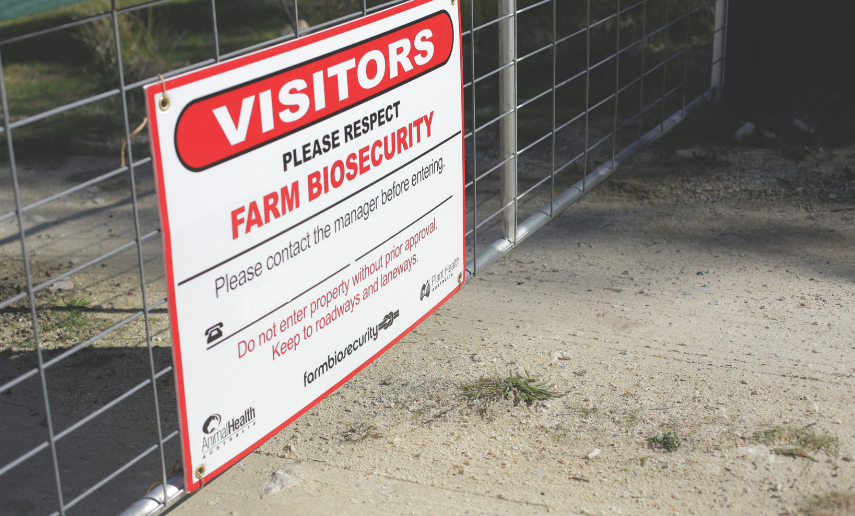
  • How to protect your property boundaries

    4 September 2026

    The way people, vehicles, equipment and deliveries enter your property can influence biosecurity risk. Learn how property maps, signage, access routes and clean-down areas can help manage movement and reduce the risk of pests, diseases and weeds entering your property.

    Learn more
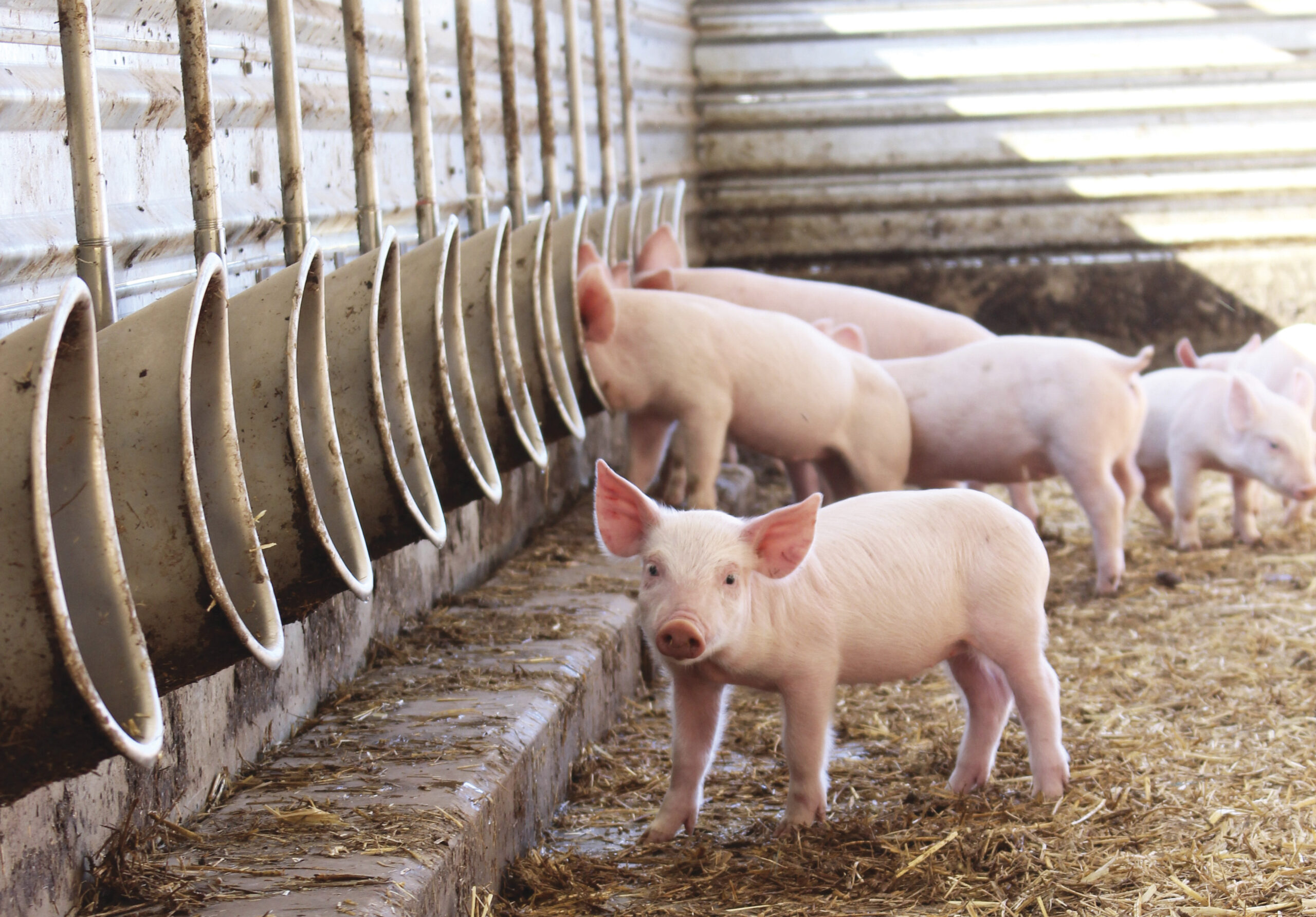
  • Little pigs

    What Australia’s industry biosecurity champion wants every pig producer to know

    1 September 2026

    Dr Kirsty Richards, the 2025 Australian Biosecurity Award (Industry) winner, shares the key threats facing the pig industry, what producers are doing well, and practical actions that producers can take to help safeguard pig businesses.

    Learn more
  • Be response ready if something happens

    26 August 2026

    Being ready for a biosecurity incident can make it easier to respond and reduce disruption on your property. Simple steps such as keeping records, managing movement and informing staff can help support a faster, more effective biosecurity response.

    Learn more
  • Build a simple on-farm biosecurity plan

    26 August 2026

    A simple biosecurity plan helps identify risks, set clear expectations and support day to day biosecurity practices on your property. Keeping it practical and tailored to your property can make it easier to manage risks and respond if something unusual occurs.

    Learn more
  • Good biosecurity = good business for sheep and wool producers

    26 August 2026

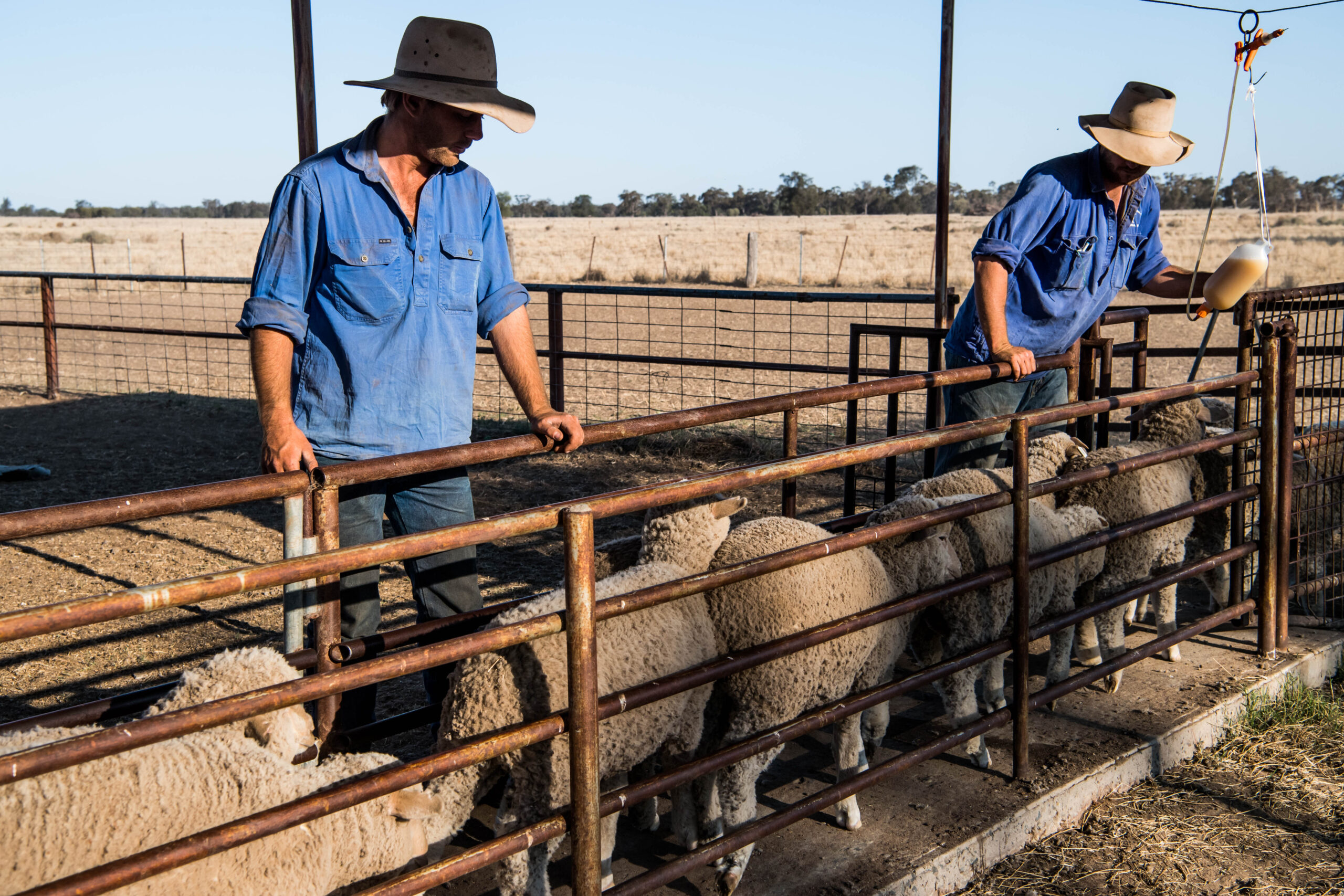
    Strong biosecurity helps keep sheep healthy and productive while protecting the long-term performance of your business.

    Learn more
  • National Biosecurity Week 2026 puts prevention and preparedness in focus

    24 August 2026

    National Biosecurity Week, running from 24–30 August 2026, is a timely reminder that prevention, preparedness and early action are essential to protecting Australia’s food supply, environment, economy and way of life.

    Learn more
  • 1
  • 2
  • 3
  • 4
  • 5
  • 6
  • 7
NEXT

Read the latest information on
Foot-and-mouth disease


Read the latest information on
Lumpy skin disease

Read the latest information on
Japanese encephalitis

Subscribe to our newsletter

Farm Biosecurity News

Use our profiler to make your

Biosecurity Toolkit

Latest News
  • 4 September 2026

    How AUSPestCheck® connects systems and data sharing
  • 4 September 2026

    How to protect your property boundaries
  • 1 September 2026

    What Australia’s industry biosecurity champion wants every pig producer to know
  • 26 August 2026

    Be response ready if something happens
  • 26 August 2026

    Build a simple on-farm biosecurity plan

Emergency Animal Disease Hotline
1800 675 888

Exotic Plant Pest Hotline
1800 084 881

  • Sitemap
  • Copyright
  • Contact us
  • Privacy & Disclaimer
  • Website by Morph Digital