Read the latest information on
Foot-and-mouth disease

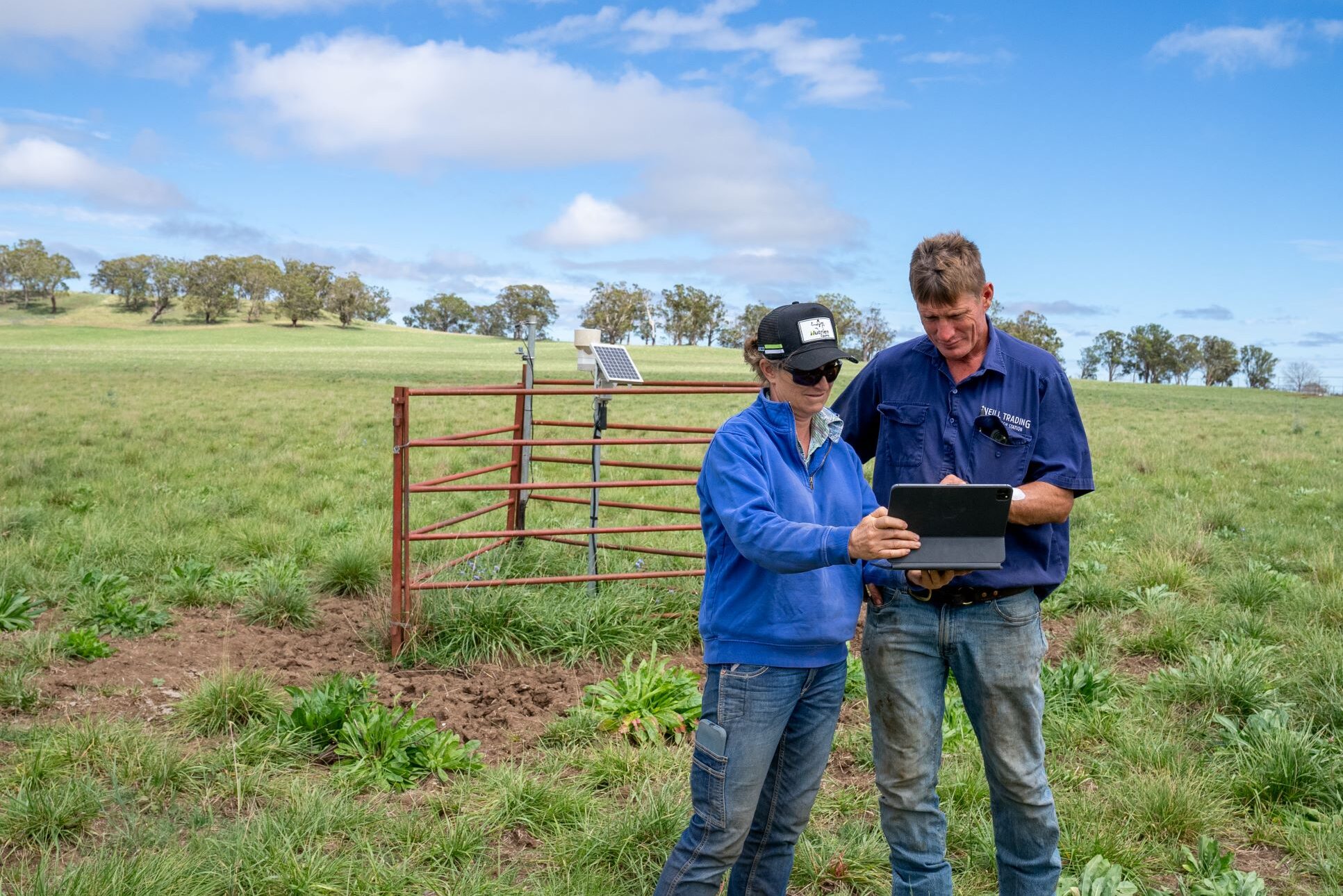
Australia is widely recognised as a global leader in emergency animal disease (EAD) response preparedness—and for good reason! Our EAD response system is a complex network of moving parts that works behind the scenes to strengthen our national response capacity and build confidence in the system.
At the heart of this system is a collaborative and proactive approach. This is seen in our unique cost-sharing agreement, the Emergency Animal Disease Response Agreement (EADRA). The EADRA ensures that funding arrangements for a range of potential EAD incursions are agreed in advance, enabling rapid, coordinated action when it matters most.
In the event of an EAD incursion, everyone involved must respond quickly and clearly understand their roles and responsibilities. To support a response, AUSVETPLAN is a suite of nationally agreed plans providing comprehensive guidance for responding to EAD incidents. There are 64 manuals in total, describing all aspects of responses from disease-specific and industry-specific considerations to management aspects such as humane destruction and disposal of animals.
However, it’s one thing to have plans on paper. But how can we be sure they’ll be effective in a real EAD outbreak? This allows us to incorporate lessons learned back into the plans and strengthens our ability to respond in real life outbreaks.
Australia’s EAD response system is regularly tested through, where participants work through a hypothetical EAD situation. This is a critical step in evaluating and refining AUSVETPLAN and other response strategies. Exercises are often led by Animal Health Australia (AHA) or their government or industry members to simulate realistic outbreak scenarios to:
Beyond validating the plans, scenario-based exercises foster collaboration and build confidence among personnel, ensuring that when an outbreak occurs, the response is swift and effective.
Two major EAD exercises conducted in 2025 were:
In addition, Exercise Multiplex—hosted by AHA—brought together government and industry members to test and refine new crisis management plans for livestock peak industry bodies.
Targeting different aspects of Australia’s EAD response system builds confidence that every stage and level of a response is robust and ready to implement.
In October, AHA ran Exercise Flight Path to put the updated AUSVETPLAN manual for HPAI H5 to the test, along with the operational manuals for Destruction of animals and Disposal.
This scenario-based exercise focused on practical challenges, including managing movement controls for live poultry and eggs, and decision-making around destruction and disposal. The revised manuals offered clear guidance and policy context for handling an HPAI outbreak. As always, the exercise revealed opportunities for improvement, and these insights will help shape future manual updates.
The exercise brought together 30 participants from government and the poultry industry, highlighting just how important collaboration is in Australia’s EAD response system.

Exercise Flight Path participants in Canberra, October 2025.
The work doesn’t stop here. Exercises planned for 2026 will continue to build on these efforts, making sure our EAD response system remains strong and ready to protect Australian producers and livestock nationwide. Preparedness is an ongoing commitment, and Australia continues to lead the way with proactive planning, rigorous testing, and teamwork across sectors.