Popular search terms
  • Biosecurity toolkit
  • Contact us
  • What is biosecurity?
  • Farm Biosecurity Program
  • Plant pest responses
  • Animal disease response
  • Farm profiler
  • Toolkit
  • Subscribe
  • About
    • About the Farm Biosecurity Program
    • Emergency animal disease responses
    • Emergency plant pest responses
  • Essentials
    • Farm inputs
    • Farm outputs
    • Ferals & weeds
      • Wild dog biosecurity
    • People, vehicles & equipment
    • Production practices
    • Train, plan & record
    • Videos
  • Toolkit
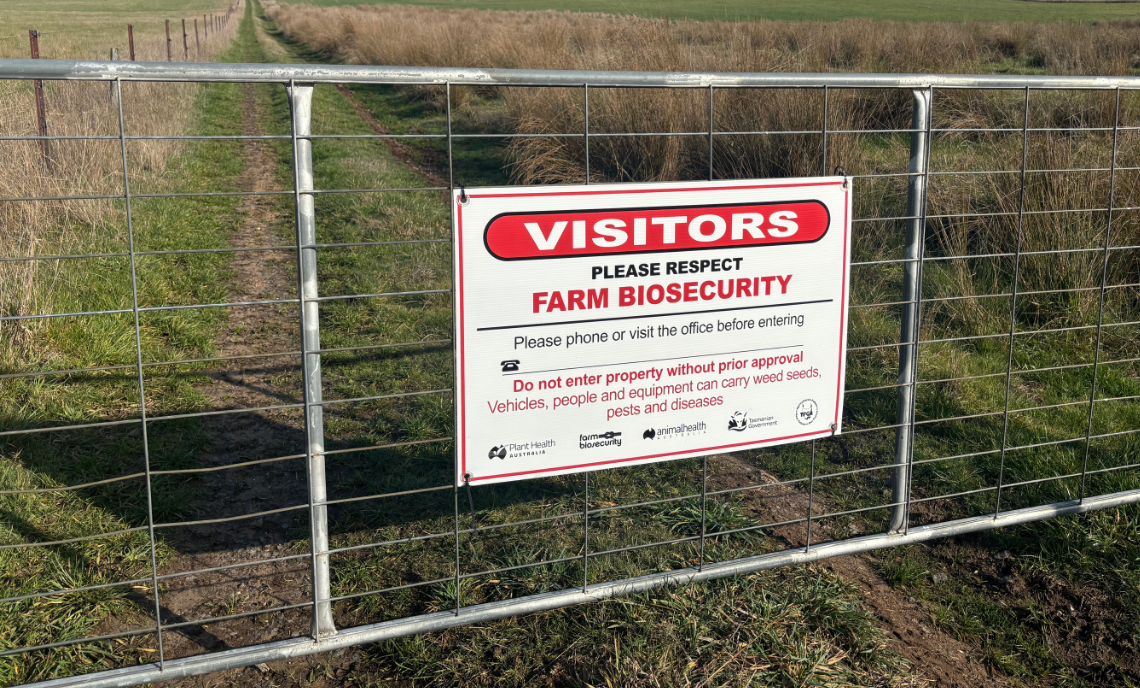
    • Gate sign
    • Create your own biosecurity kit
    • Declarations
    • Manuals
    • On-farm biosecurity planning
    • Records
  • Crops
    • Cotton
      • Cotton best management practice
      • Cotton product management
      • Cotton pests
    • Feed mills
    • Fruit & nuts
      • Fruit & nut pests
        • Apple and pear pests
        • Avocado pests
        • Banana pests
        • Cherry pests
        • Citrus pests
        • Mango pests
        • Nut pests
        • Papaya pests
        • Summerfruit pests
      • Fruit & nut product management
    • Grains
      • Grains pests
      • Grains product management
      • Grain storage options
    • Honey bees
      • BeeAware website and newsletter
      • Code of Practice and National Bee Biosecurity Program
      • Honey bee glossary
      • Honey bee product management
      • Honey bee pests
      • Honey bee best management practice
      • Beekeeper advisory – mosquito insecticide control during the 2022 Japanese encephalitis outbreak
    • Nursery & garden
      • Nursery & garden pests
      • Nursery & garden product management
      • Nursery & garden best management practice
    • Onions
      • Onion pest threats
      • Onion pest eradication or control examples
    • Plantation forestry
      • Forestry biosecurity practices
      • Forestry pests
      • Hypothetical exotic bark beetle incursion
      • Plantation forestry quality assurance
    • Potatoes
      • Potato pest threats
      • Potato biosecurity areas
    • Sugarcane
      • Sugarcane best management practice
      • Sugarcane biosecurity essentials
      • Queensland Sugarcane Biosecurity Zones
      • Sugarcane pests and weeds
    • Vegetables
      • Vegetable pests
      • Vegetable product management
    • Viticulture
      • Phylloxera
      • Viticulture pests
      • Viticulture product management
  • Livestock
    • Alpacas
    • Beef cattle
    • Chickens
    • Dairy cattle
    • Ducks
    • Eggs
    • Feed mills
    • Goats
    • Horses
      • Mosquito Management for Horses
    • Lot feeding
    • New and emerging livestock industries
    • Pigs
      • Feeding your pigs
      • Controlling mosquitoes around piggeries
    • Ratites
    • Sheep
    • Zoo animals
  • Get help
    • Animal health and biosecurity extension
      • Property biosecurity management planning
  • News
    • E-newsletter
    • Subscribe to Farm Biosecurity News
  • Stories
  • Videos

Biosecurity basics for growers

Print this page
  • Home
  • News
  • Biosecurity basics for growers

Biosecurity basics for growers

Most biosecurity risks do not arrive with a warning. They arrive on boots, tyres, plant material or machinery.

Biosecurity is managing risks from pests and diseases that could harm our economy, environment, and communities. The best way to protect your property against pests and diseases is to use sound pest and disease practices and implement an on-farm biosecurity plan.

Creating an on-farm biosecurity plan provides a roadmap with simple actions you can incorporate into your daily routine and lower the risk of pests and diseases entering your property and your wider community.

Here are some tips to help you on your way.

  • Identify the key biosecurity risks specific to your property and use a map to determine the best locations for biosecurity zones or checkpoints.
  • Establish clear procedures by outlining protocols for managing people, vehicles and equipment, and display them where necessary.
  • Provide training for farm workers to support their understanding of their biosecurity roles and responsibilities.
  • Implement clear procedures for reporting suspected pests or diseases and ensure all staff and visitors are informed about the steps they need to take.
  • Regularly update your biosecurity plan as risks change to maintain its relevance and effectiveness.

We have developed an On-farm Biosecurity Plan template to help guide you through the process.

Interested in learning more?

  • Watch videos on the Farm biosecurity YouTube channel to find out more. Videos include Production Practices, People, and Vehicles and equipment
  • Find biosecurity training courses on the National Biosecurity Training Hub. The Hub provides a centralised platform for biosecurity training to support biosecurity preparedness, response and recovery and is designed to make it easier for Australians to access a range of online biosecurity training.

Read the latest information on
Foot-and-mouth disease

Read the latest information on
Lumpy skin disease

Read the latest information on
Japanese encephalitis

Subscribe to our newsletter

Farm Biosecurity News

Use our profiler to make your

Biosecurity Toolkit

Latest News
  • 26 February 2026

    Biosecurity basics for growers
  • 22 January 2026

    Protecting your farm’s biosecurity when severe weather strikes
  • 22 January 2026

    From paddock to port: biosecurity training for everyone
  • 14 January 2026

    How Australia builds confidence in the EAD response system
  • 12 January 2026

    Preparing your property for the new year

Emergency Animal Disease Hotline
1800 675 888

Exotic Plant Pest Hotline
1800 084 881

  • Sitemap
  • Copyright
  • Contact us
  • Privacy & Disclaimer
  • Website by Morph Digital