Most biosecurity risks do not arrive with a warning. They arrive on boots, tyres, plant material or machinery.
Biosecurity is managing risks from pests and diseases that could harm our economy, environment, and communities. The best way to protect your property against pests and diseases is to use sound pest and disease practices and implement an on-farm biosecurity plan.
Creating an on-farm biosecurity plan provides a roadmap with simple actions you can incorporate into your daily routine and lower the risk of pests and diseases entering your property and your wider community.
Here are some tips to help you on your way.
- Identify the key biosecurity risks specific to your property and use a map to determine the best locations for biosecurity zones or checkpoints.
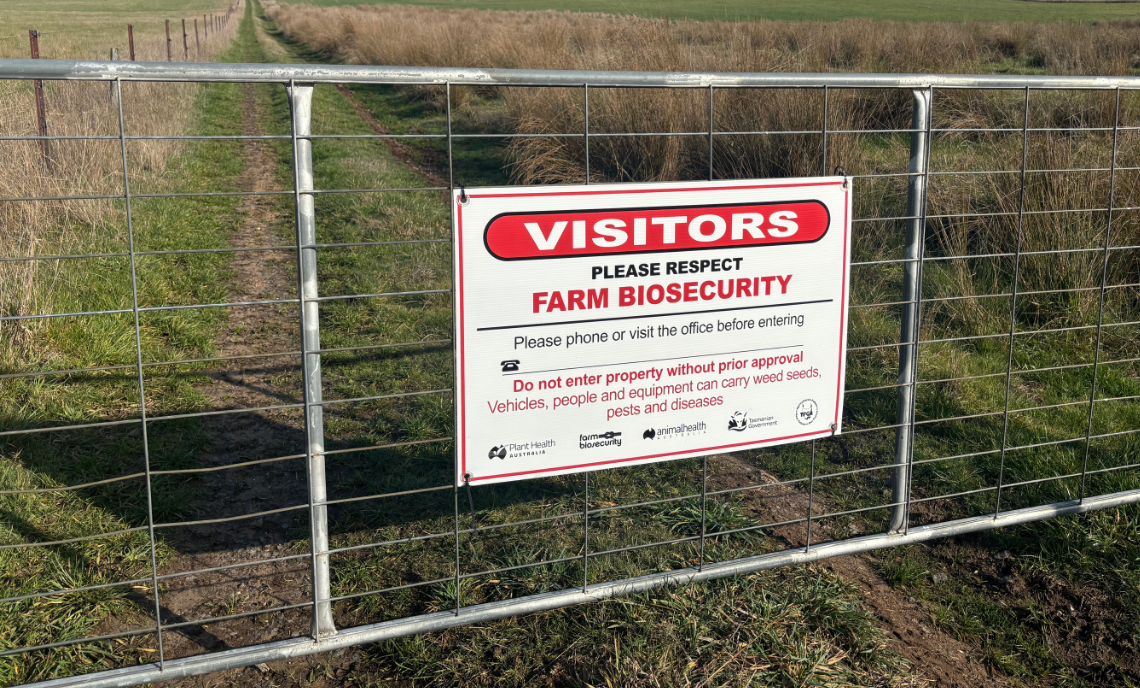
- Establish clear procedures by outlining protocols for managing people, vehicles and equipment, and display them where necessary.
- Provide training for farm workers to support their understanding of their biosecurity roles and responsibilities.
- Implement clear procedures for reporting suspected pests or diseases and ensure all staff and visitors are informed about the steps they need to take.
- Regularly update your biosecurity plan as risks change to maintain its relevance and effectiveness.
We have developed an On-farm Biosecurity Plan template to help guide you through the process.
Interested in learning more?
- Watch videos on the Farm biosecurity YouTube channel to find out more. Videos include Production Practices, People, and Vehicles and equipment
- Find biosecurity training courses on the National Biosecurity Training Hub. The Hub provides a centralised platform for biosecurity training to support biosecurity preparedness, response and recovery and is designed to make it easier for Australians to access a range of online biosecurity training.