Popular search terms
  • Biosecurity toolkit
  • Contact us
  • What is biosecurity?
  • Farm Biosecurity Program
  • Plant pest responses
  • Animal disease response
  • Farm profiler
  • Toolkit
  • Subscribe
  • About
    • About the Farm Biosecurity Program
    • Emergency animal disease responses
    • Emergency plant pest responses
  • Essentials
    • Farm inputs
    • Farm outputs
    • Ferals & weeds
      • Wild dog biosecurity
    • People, vehicles & equipment
    • Production practices
    • Train, plan & record
    • Videos
  • Toolkit
    • Gate sign
    • Create your own biosecurity kit
    • Declarations
    • Manuals
    • On-farm biosecurity planning
    • Records
  • Crops
    • Cotton
      • Cotton best management practice
      • Cotton product management
      • Cotton pests
    • Feed mills
    • Fruit & nuts
      • Fruit & nut pests
        • Apple and pear pests
        • Avocado pests
        • Banana pests
        • Cherry pests
        • Citrus pests
        • Mango pests
        • Nut pests
        • Papaya pests
        • Summerfruit pests
      • Fruit & nut product management
    • Grains
      • Grains pests
      • Grains product management
      • Grain storage options
    • Honey bees
      • BeeAware website and newsletter
      • Code of Practice and National Bee Biosecurity Program
      • Honey bee glossary
      • Honey bee product management
      • Honey bee pests
      • Honey bee best management practice
      • Beekeeper advisory – mosquito insecticide control during the 2022 Japanese encephalitis outbreak
    • Nursery & garden
      • Nursery & garden pests
      • Nursery & garden product management
      • Nursery & garden best management practice
    • Onions
      • Onion pest threats
      • Onion pest eradication or control examples
    • Plantation forestry
      • Forestry biosecurity practices
      • Forestry pests
      • Hypothetical exotic bark beetle incursion
      • Plantation forestry quality assurance
    • Potatoes
      • Potato pest threats
      • Potato biosecurity areas
    • Sugarcane
      • Sugarcane best management practice
      • Sugarcane biosecurity essentials
      • Queensland Sugarcane Biosecurity Zones
      • Sugarcane pests and weeds
    • Vegetables
      • Vegetable pests
      • Vegetable product management
    • Viticulture
      • Phylloxera
      • Viticulture pests
      • Viticulture product management
  • Livestock
    • Alpacas
    • Beef cattle
    • Chickens
    • Dairy cattle
    • Ducks
    • Eggs
    • Feed mills
    • Goats
    • Horses
      • Mosquito Management for Horses
    • Lot feeding
    • New and emerging livestock industries
    • Pigs
      • Feeding your pigs
      • Controlling mosquitoes around piggeries
    • Ratites
    • Sheep
    • Zoo animals
  • Get help
    • Animal health and biosecurity extension
      • Property biosecurity management planning
  • News
    • E-newsletter
    • Subscribe to Farm Biosecurity News
  • Stories
  • Videos

Biosecurity tips for this drought season

Print this page
  • Home
  • News
  • Biosecurity tips for this drought season

Biosecurity tips for this drought season

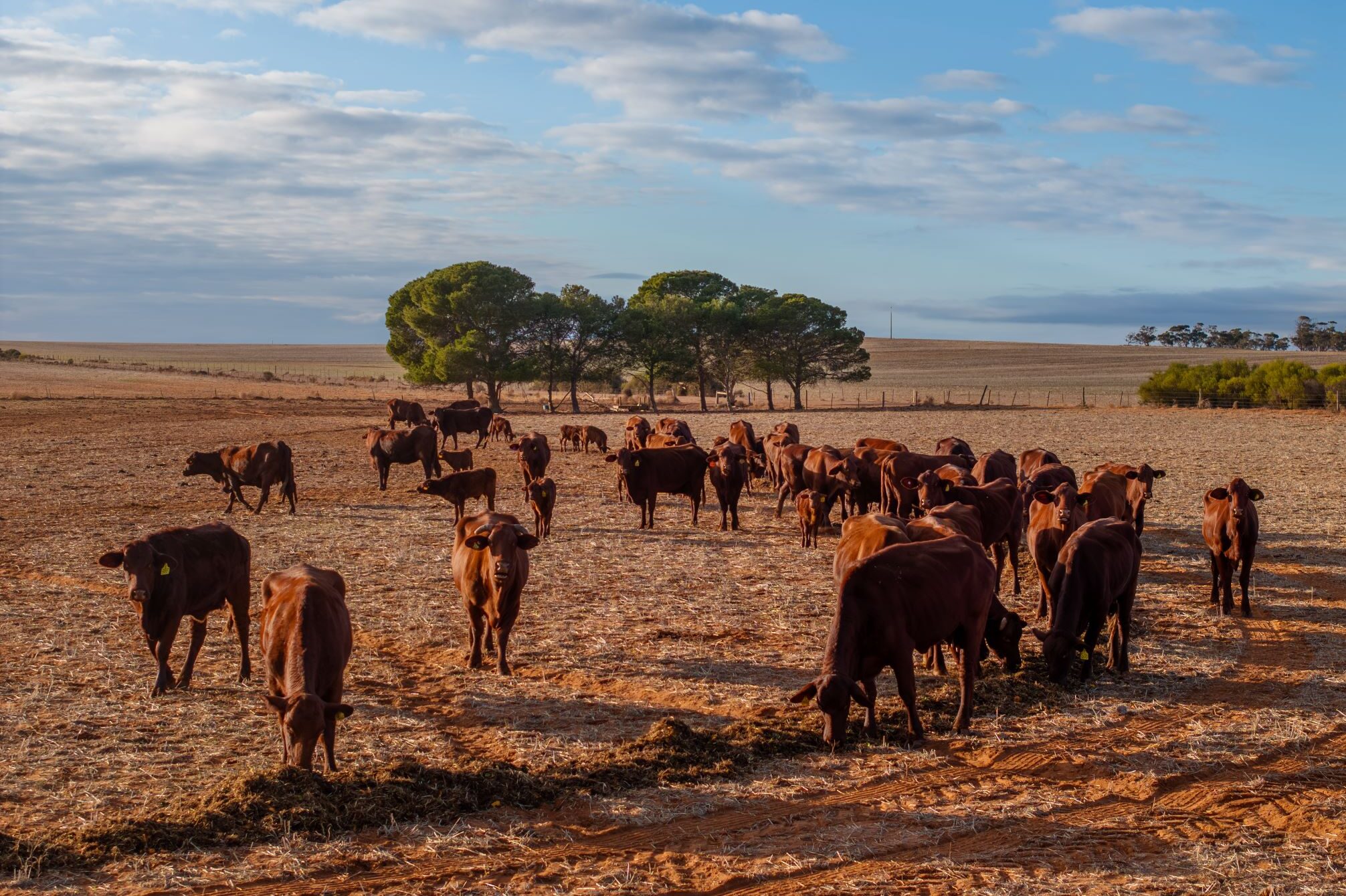
In 2025, drought stretched across southern Australia, impacting parts of New South Wales, Victoria, South Australia and central Western Australia. While spring showers eased conditions in some regions, New South Wales’s drought area has grown and extended into southern Queensland.

In addition to impacting feed availability, droughts also change biosecurity risks on your farm. Staying alert is essential to protect your livestock during this stressful period.

Diet changes can introduce risks

During a drought, pasture can become overgrazed and nutrient-deficient. This leads to temporary feeding changes, which can create new health and biosecurity challenges.

Grazing toxic plants

Over-grazed pasture can lead stock to consume unusual or harmful plants, such as:

  • Bracken fern – this native perennial fern is found in the temperate regions of all Australian states except the Northern Territory. Prolonged consumption causes brain damage in sheep and horses, whereas in cattle it can cause clotting disorders, blood loss and cancer of the bone marrow and bladder.
  • Lantana – found in coastal and subcoastal Queensland and New South Wales. Liver damage or death can occur in ruminants that have ingested the flowering plants, especially the orange/red flower variety (pink and white flower varieties are also toxic).
  • Paterson’s curse – this invasive weed is found all over Australia, especially on degraded pastures where it’s at high risk of ingestion by grazing livestock. Ruminants can often break down the toxins without harmful effects, though prolonged ingestion may lead to liver damage. Pigs and horses can face chronic liver damage, loss of condition and sometimes death.

Supplemental feeding

To ensure nutritional demands are met, producers may start feeding or increase the amount of grain they feed to livestock. This brings added risks to biosecurity and animal health.

  • Feed brought onto your farm can carry new pests and diseases. Always inspect the product and request a Commodity Vendor Declaration for food safety information on commodities intended for livestock feed.
  • Over-feeding grain or transitioning ruminants from pasture too quickly will put them at high risk of ruminal acidosis. This is the most common cause of ruminant death during droughts. The high carbohydrate content can also cause an overgrowth of toxic gut bacteria, leading to diseases such as . Be sure to consult a veterinarian or animal nutritionist before implementing any major dietary changes.

Increased disease transmission risk

Droughts can contribute to increased disease transmission within your livestock and further disease spread across regions.

  • Aim to provide animals with the maximum space possible and protect herd health by promptly separating out any animals that are displaying signs of disease.
  • Droughts often mean more animal movement, such as for agistment or sale, which can spread diseases across regions. When restocking, follow the usual biosecurity precautions, such as requesting a National Animal Health Declaration, carefully inspecting new stock and quarantining them for 21 days to monitor for any signs of disease.
  • Waterborne disease outbreaks can occur as water sources decline, become more stagnant, and are increasingly shared with wildlife and feral animals. Minimising potential points of contact between livestock and wildlife or feral species will help to mitigate this biosecurity threat.

Reduced immunity and disease susceptibility

Drought causes stress to livestock, which can result from multiple factors, including malnutrition, environmental changes, altered diets, and heat stress. Each of these challenges weakens the immune system, leaving animals more vulnerable to disease.

Acute infections that would normally be easily managed may become a serious health threat during a drought. Additionally, animals are at risk of developing chronic health conditions during extended dry periods, which can lead to poor health.

Producers should monitor stock closely for early signs of illness, maintain strong biosecurity measures and support animal health as much as possible through balanced nutrition and a well-informed drought plan.

Related resources
  • Drought Resources | Australian Wool Innovation
  • Drought Feeding and Management of Beef Cattle – Agriculture Victoria
  • Factsheet – Support for farmers during hard times
  • Ferals & weeds – Farm Biosecurity

Read the latest information on
Foot-and-mouth disease

Read the latest information on
Lumpy skin disease

Read the latest information on
Japanese encephalitis

Subscribe to our newsletter

Farm Biosecurity News

Use our profiler to make your

Biosecurity Toolkit

Latest News
  • 9 January 2026

    Biosecurity tips for this drought season
  • 18 December 2025

    Five essential resources for on-farm biosecurity in 2026
  • 26 November 2025

    Ella Matta Pastoral wins Farm Biosecurity Producer of the Year
  • 29 October 2025

    What to do if you suspect an EAD on your farm
  • 29 October 2025

    What’s bugging your herd? A guide to parasites in spring.

Emergency Animal Disease Hotline
1800 675 888

Exotic Plant Pest Hotline
1800 084 881

  • Sitemap
  • Copyright
  • Contact us
  • Privacy & Disclaimer
  • Website by Morph Digital