This article has been updated to remove links which are no longer current. For information relating to any current emergency in your area, contact your state department of agriculture or primary industries.
If you are making plans to help with the North Queensland flood recovery efforts, first make plans to look after yourself.
Due to the large changes in the environment in the wake of the North Queensland flood event, it’s important that you protect yourself during recovery efforts. Soil borne pathogens, such as melioidosis, may become dispersed into new areas. Diseases spread by biting insects may also become problematic, as warmer periods after weather events provide favourable conditions for a population boom. Handling deceased livestock can also have human health impacts.
There are some simple ways to protect yourself from diseases that may be present after a weather event such as the one we have seen in North Queensland. These include:
- Cover up where practical or use insect repellent when outside, especially if there is still water lying around
- Wear enclosed shoes or boots in mud and cover up exposed cuts with water proof bandages.
- Take care when disposing of carcases or working with sick livestock, including wearing Personal Protective Equipment (PPE)
- Wash your hands regularly with soap and clean water, particularly after handing livestock and before eating
- Manage vermin populations accordingly and wash or discard items that have come in contact with vermin faeces and/or urine.
- Visit your local GP immediately if you become unwell and inform them you have been exposed to after flood conditions
- If you are injured or suffer a cut during the clean-up process, clean the wound and seek medical advice immediately by contacting your general practitioner or by calling the 13HEALTH information line (13 43 25 84), as you may need a tetanus vaccination and/or other medical care.
Preventing further stock losses following floods
Updated Friday 15 February
In the aftermath of the North Queensland flood disaster in February 2019, surviving livestock can be impacted by comprised immune systems from metabolic disruption, trauma and exhaustion, which makes them more vulnerable to disease and infection of exposed wounds.
The most critical points of biosecurity in the coming weeks for livestock heath are:
- Clostridial diseases (mainly botulism and black leg)
Flood waters can disperse clostridial spores commonly found in some soil types. Rotting vegetation may also be a concern for botulism due to sitting water. Ensure vaccinations are up to date (i.e. 5-in-1 or 7-in-1, plus a standalone botulism vaccine)
- Leptospirosis
‘Lepto’ can be spread in floodwater, which also increases the likelihood of increased numbers of infected vermin moving into sheds and feed storage. Lepto is zoonotic and spread by infected urine, so ensure you are wearing appropriate clothing when handling livestock or are being exposed to increased populations of vermin, and wash hands regularly using soap. Ensure your livestock vaccinations are up to date (i.e. 7 in 1). More information on zoonosis can be found here.
- Exposed wounds
Exposed wounds can become infected. If livestock present with swelling, lameness or evidence of infection, immediate intervention is required either through care, veterinary attention or humane destruction
- Biting insect populations
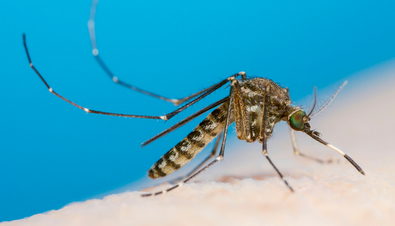
Diseases such as ‘three day sickness’ and Akabane are spread by biting insects. Monitor livestock for symptoms of disease, including sickness and lameness
- Internal/External parasites
Moisture and warmth provides optimum conditions for parasites to flourish. Ensure drenching is up to date and treat for biting flies as required.
- Cattle tick
You should continue to monitor livestock for cattle ticks and signs of tick fever in the aftermath of flooding and report them if found in the QLD cattle tick free zone
- Spoilt hay and stock feeds
These can contain harmful mould toxins and bacteria. Inspect and do not feed off-smelling hay or feed
- Carcase disposal and possible contamination
Carcases will ultimately need to be disposed of through burning or burial, to minimise scavenging and spread of disease. Consider your own personal heath when handling dead livestock and do not bury dead livestock near high water tables: carcase disposal information
- Toxic plants
Toxic plants tend to get the jump on pastures after rain. Restrict access where possible or ensure there is an alternative food source to prevent livestock from browsing toxic plants
If you notice unusual symptoms of illness in surviving cattle contact your local veterinarian, Biosecurity Queensland Stock Office (DAF office)or the Emergency Animal Disease Hotline on 1800 675 888.
More information: Disaster recovery for livestock.