Read the latest information on
Foot-and-mouth disease

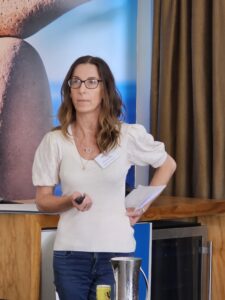
Dr Kirsty Richards, winner of the Australian Biosecurity Award (Industry) 2025.
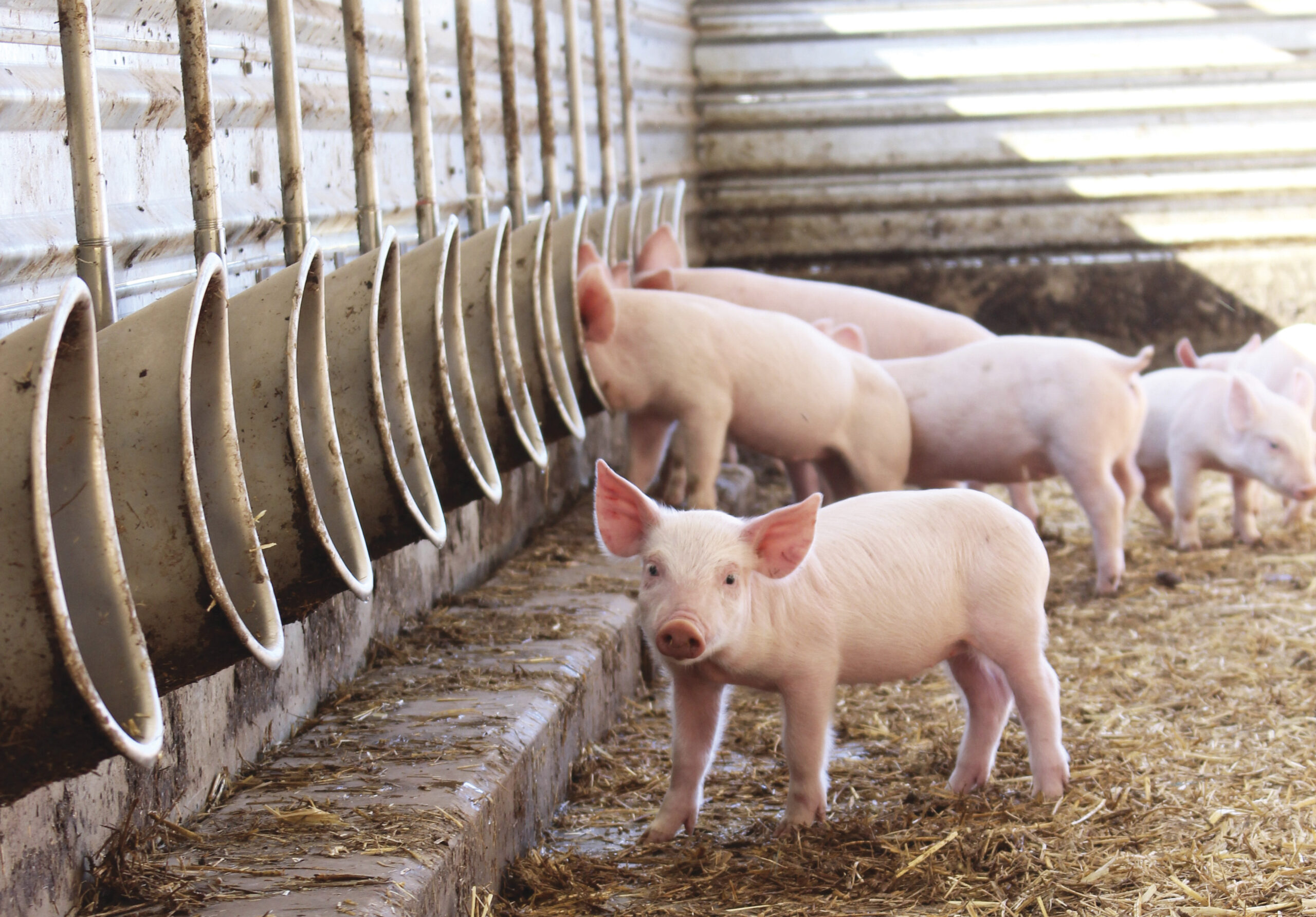
Australia’s pig industry is free from many of the diseases affecting pigs overseas. Maintaining that advantage relies on strong biosecurity and ongoing producer vigilance.
Dr Kirsty Richards has spent her career helping the pig industry stay ahead of biosecurity threats, from developing industry biosecurity quality assurance programs to supporting the 2022 Japanese encephalitis response as a liaison-livestock industry (LLI) representative.
Named the 2025 Australian Biosecurity Award (Industry) winner, Kirsty shares the key threats facing the pig industry, what producers are doing well, and the practical actions that producers can take to help safeguard pig businesses.
The Australian pig industry upholds an excellent health status. This is due to the country’s geographical isolation and robust biosecurity system, which protects against the entry of many emergency animal diseases (EAD).
However, maintaining this industry health status requires constant vigilance from producers against a range of serious disease threats.
Some of the most significant risks facing the industry include African swine fever, classical swine fever, foot-and-mouth disease, porcine reproductive and respiratory syndrome, porcine epidemic diarrhoea and Senecavirus A.
While these diseases would directly impact pig health, welfare and productivity, Kirsty notes that they could also disrupt movement across the entire pig supply chain. This can lead to overstocking and significant animal welfare challenges.
‘It’s like blocking the top of an escalator while it is still running and full of people,’ Kirsty explains. ‘From a biosecurity perspective, we worry both about the diseases themselves and the things that might happen as we try and control those diseases.’
One of the greatest strengths of the Australian pig industry is its widespread adoption of formal biosecurity and quality assurance systems.
The Australian Pig Industry Quality Assurance (APIQ🗸®) program covers around 91 per cent of Australian pig production and includes standards for biosecurity, traceability, food safety, animal welfare, transport and environmental management.
‘The high adoption of APIQ🗸® has seen good biosecurity become business as usual across the majority of the industry,’ Kirsty says.
This strong foundation helps reduce the risk of disease introduction and spread while supporting supply chain and business continuity.
Despite the industry’s strong biosecurity culture, some risks remain a continual challenge.
Feral pigs are a significant risk, particularly for producers with outdoor production systems. Managing them is difficult but crucial, as a major disease incursion into Australia’s feral pig population would be extremely difficult to eradicate and could increase exposure risks to domestic pigs.
Properties that run pigs alongside other livestock or cropping enterprises may also face additional challenges moving people, machinery, vehicles and products between different parts of the business. Kirsty notes that recognising and managing potential cross-contamination can be particularly complex in these mixed-enterprise systems.
For producers who are not already accredited, Kirsty recommends starting by adopting the APIQ🗸® quality assurance system to ensure they meet minimum biosecurity standards.
‘We are only as strong as our weakest link, so it’s important that all pig owners and managers build biosecurity into their business as usual,’ she says.
Producers already certified under APIQ🗸® should take the next step by participating in the Voluntary Enhanced Biosecurity Standards for African swine fever. Available as an optional verification module within APIQ🗸®, the standards help producers strengthen their preparedness and response capability should an outbreak occur.
She also encourages producers to use practical biosecurity resources from Farm Biosecurity and Australian Pork Limited, including:
Developing and regularly reviewing a biosecurity management plan helps identify strengths, vulnerabilities and opportunities for improvement.
If you already have a biosecurity management plan, ‘review it, check that your systems are operating as they should, and identify areas you can refine and improve.’
Biosecurity fundamentals include:
Kirsty emphasises the importance of staff training to recognise EAD signs and report concerns immediately.
‘Know what healthy looks like and work with your veterinarian if you see any signs of disease,’ she advises.
By combining strong industry programs with everyday biosecurity practices, pig producers can help protect Australia’s animal health status and strengthen industry resilience against future disease threats.