Popular search terms
  • Biosecurity toolkit
  • Contact us
  • What is biosecurity?
  • Farm Biosecurity Program
  • Plant pest responses
  • Animal disease response
  • Farm profiler
  • Toolkit
  • Subscribe
  • About
    • About the Farm Biosecurity Program
    • Emergency animal disease responses
    • Emergency plant pest responses
  • Essentials
    • Farm inputs
    • Farm outputs
    • Ferals & weeds
      • Wild dog biosecurity
    • People, vehicles & equipment
    • Production practices
    • Train, plan & record
    • Videos
  • Toolkit
    • Gate sign
    • Create your own biosecurity kit
    • Declarations
    • Manuals
    • On-farm biosecurity planning
    • Records
  • Crops
    • Cotton
      • Cotton best management practice
      • Cotton product management
      • Cotton pests
    • Feed mills
    • Fruit & nuts
      • Fruit & nut pests
        • Apple and pear pests
        • Avocado pests
        • Banana pests
        • Cherry pests
        • Citrus pests
        • Mango pests
        • Nut pests
        • Papaya pests
        • Summerfruit pests
      • Fruit & nut product management
    • Grains
      • Grains pests
      • Grains product management
      • Grain storage options
    • Honey bees
      • BeeAware website and newsletter
      • Code of Practice and National Bee Biosecurity Program
      • Honey bee glossary
      • Honey bee product management
      • Honey bee pests
      • Honey bee best management practice
      • Beekeeper advisory – mosquito insecticide control during the 2022 Japanese encephalitis outbreak
    • Nursery & garden
      • Nursery & garden pests
      • Nursery & garden product management
      • Nursery & garden best management practice
    • Onions
      • Onion pest threats
      • Onion pest eradication or control examples
    • Plantation forestry
      • Forestry biosecurity practices
      • Forestry pests
      • Hypothetical exotic bark beetle incursion
      • Plantation forestry quality assurance
    • Potatoes
      • Potato pest threats
      • Potato biosecurity areas
    • Sugarcane
      • Sugarcane best management practice
      • Sugarcane biosecurity essentials
      • Queensland Sugarcane Biosecurity Zones
      • Sugarcane pests and weeds
    • Vegetables
      • Vegetable pests
      • Vegetable product management
    • Viticulture
      • Phylloxera
      • Viticulture pests
      • Viticulture product management
  • Livestock
    • Alpacas
    • Beef cattle
    • Chickens
    • Dairy cattle
    • Ducks
    • Eggs
    • Feed mills
    • Goats
    • Horses
      • Mosquito Management for Horses
    • Lot feeding
    • New and emerging livestock industries
    • Pigs
      • Feeding your pigs
      • Controlling mosquitoes around piggeries
      • Pig biosecurity management resources
    • Ratites
    • Sheep
    • Zoo animals
  • Get help
    • Animal health and biosecurity extension
      • Property biosecurity management planning
  • News
    • E-newsletter
    • Subscribe to Farm Biosecurity News
  • Stories
  • Videos

H5 bird flu: what to do if you find sick or dead wildlife on your farm

Print this page
  • Home
  • News
  • H5 bird flu: what to do if you find sick or dead wildlife on your farm

H5 bird flu: what to do if you find sick or dead wildlife on your farm

H5N1 avian influenza (H5 bird flu) has entered and spread around Australia in recent months, with confirmed cases in wild birds in six out of eight states/territories. Wild birds have been the most affected, but infections have also been reported in mammals, including foxes, dolphins and sea lions.

While there have been no reports of H5 bird flu in Australian livestock industries, the risk of disease transmission from wildlife is increasing.

Along with strengthening biosecurity on your farm, it’s important to know how to respond if you encounter a sick or dead bird, or other wildlife, on or around your property.

Know how to respond

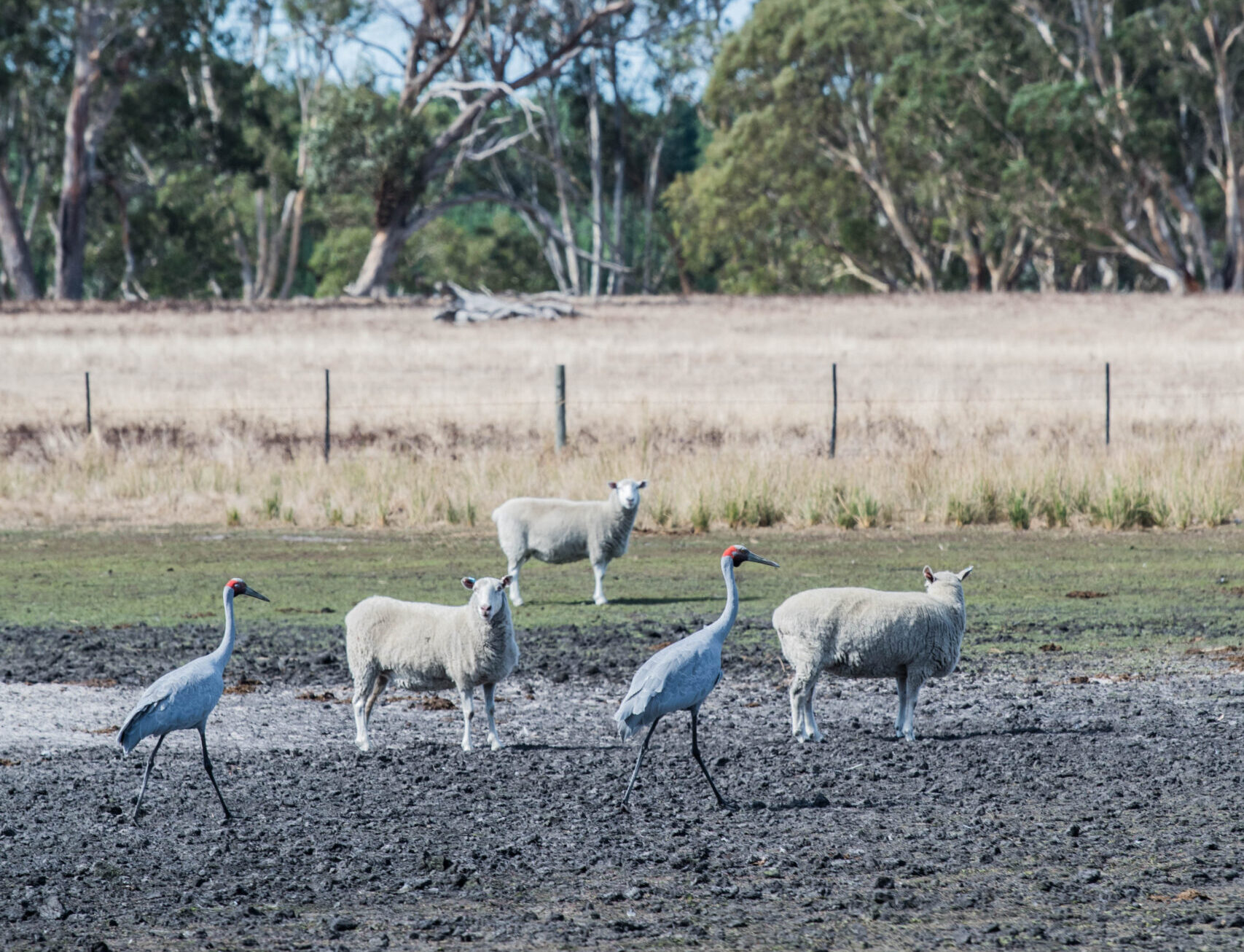
As H5 bird flu continues to spread through wild bird populations, you may encounter sick or dead wildlife on your farm.

Birds are not the only animals that can be affected. Foxes are susceptible to the virus, and overseas strains have occasionally infected cats and, more rarely, ruminants, pigs and horses.

If you find sick or dead wildlife on your property, remember three simple steps:

  • AVOID contact
  • RECORD what you see and take photographs if it is safe to do so
  • REPORT it to the Emergency Animal Disease Hotline on 1800 675 888.

Keep livestock and pets away from the area to minimise the risk of disease transmission. This applies to all animals on the property, not just poultry.

Avoid direct contact and wear appropriate PPE

The risk of H5 bird flu infection in people remains low. However, infection can occur through close contact with infected animals or contaminated environments.

If you cannot secure the area and you need to move the animal, seek advice from the Emergency Animal Disease Hotline before handling it.

Wear appropriate personal protective equipment (PPE), including:

  • gloves
  • a mask
  • eye protection
  • long-sleeved clothing.

Safe disposal

If you need to dispose of dead animals, use one of the two recommended methods.

Disposal of the animal as general waste

Check your local council requirements for disposing of dead animals. Where permitted, double-bag the animal and place it in your outdoor general waste bin.

Bury the animal

If bin disposal is not available or permitted, bury the animal on your property. Dig a hole at least 60 cm deep and choose a location well away from homes, gardens, livestock, pets, and water sources.

After disposal, clean up carefully by:

  • removing PPE safely
  • washing your hands thoroughly with soap and water
  • cleaning and disinfecting any tools, footwear, eye protection or other equipment used
  • washing clothing on a hot cycle using regular laundry detergent.

Taking the time to clean up properly helps reduce the risk of disease spread.

Good biosecurity helps prevent the spread of H5 bird flu

Biosecurity is our best defence against H5 bird flu. While poultry enterprises are most at risk, international outbreaks have occasionally affected other livestock species.

If you keep livestock, whether commercially or as backyard or hobby animals, review your biosecurity plan regularly as the H5 bird flu situation evolves.

Your biosecurity plan should minimise the risk of H5 bird flu entering your property. Start by reviewing H5 bird flu resources for poultry and livestock farmers from the Department of Agriculture, Forestry and Fisheries (DAFF).

Useful resources

H5 bird flu – DAFF

H5 bird flu – Safe disposal of dead birds and other wildlife on private property

Protect your flock from H5 bird flu – biosecurity lessons from around the world – Farm Biosecurity

H5 bird flu information for poultry and egg producers | NSW Government

H5 bird flu information for livestock producers | NSW Government

Chickens – Farm Biosecurity

Eggs – Farm Biosecurity

Read the latest information on
Foot-and-mouth disease

Read the latest information on
Lumpy skin disease

Read the latest information on
Japanese encephalitis

Subscribe to our newsletter

Farm Biosecurity News

Use our profiler to make your

Biosecurity Toolkit

Latest News
  • 9 November 2026

    H5 bird flu: what to do if you find sick or dead wildlife on your farm
  • 6 November 2026

    Is your farm biosecurity plan working?
  • 5 November 2026

    Protect your pigs against Japanese encephalitis this mosquito season
  • 3 November 2026

    Prepare your farm biosecurity for an El Niño summer
  • 28 October 2026

    Know what’s coming onto your property

Emergency Animal Disease Hotline
1800 675 888

Exotic Plant Pest Hotline
1800 084 881

  • Sitemap
  • Copyright
  • Contact us
  • Privacy & Disclaimer
  • Website by Morph Digital