Popular search terms
  • Biosecurity toolkit
  • Contact us
  • What is biosecurity?
  • Farm Biosecurity Program
  • Plant pest responses
  • Animal disease response
  • Farm profiler
  • Toolkit
  • Subscribe
  • About
    • About the Farm Biosecurity Program
    • Emergency animal disease responses
    • Emergency plant pest responses
  • Essentials
    • Farm inputs
    • Farm outputs
    • Ferals & weeds
      • Wild dog biosecurity
    • People, vehicles & equipment
    • Production practices
    • Train, plan & record
    • Videos
  • Toolkit
    • Gate sign
    • Create your own biosecurity kit
    • Declarations
    • Manuals
    • On-farm biosecurity planning
    • Records
  • Crops
    • Cotton
      • Cotton best management practice
      • Cotton product management
      • Cotton pests
    • Feed mills
    • Fruit & nuts
      • Fruit & nut pests
        • Apple and pear pests
        • Avocado pests
        • Banana pests
        • Cherry pests
        • Citrus pests
        • Mango pests
        • Nut pests
        • Papaya pests
        • Summerfruit pests
      • Fruit & nut product management
    • Grains
      • Grains pests
      • Grains product management
      • Grain storage options
    • Honey bees
      • BeeAware website and newsletter
      • Code of Practice and National Bee Biosecurity Program
      • Honey bee glossary
      • Honey bee product management
      • Honey bee pests
      • Honey bee best management practice
      • Beekeeper advisory – mosquito insecticide control during the 2022 Japanese encephalitis outbreak
    • Nursery & garden
      • Nursery & garden pests
      • Nursery & garden product management
      • Nursery & garden best management practice
    • Onions
      • Onion pest threats
      • Onion pest eradication or control examples
    • Plantation forestry
      • Forestry biosecurity practices
      • Forestry pests
      • Hypothetical exotic bark beetle incursion
      • Plantation forestry quality assurance
    • Potatoes
      • Potato pest threats
      • Potato biosecurity areas
    • Sugarcane
      • Sugarcane best management practice
      • Sugarcane biosecurity essentials
      • Queensland Sugarcane Biosecurity Zones
      • Sugarcane pests and weeds
    • Vegetables
      • Vegetable pests
      • Vegetable product management
    • Viticulture
      • Phylloxera
      • Viticulture pests
      • Viticulture product management
  • Livestock
    • Alpacas
    • Beef cattle
    • Chickens
    • Dairy cattle
    • Ducks
    • Eggs
    • Feed mills
    • Goats
    • Horses
      • Mosquito Management for Horses
    • Lot feeding
    • New and emerging livestock industries
    • Pigs
      • Feeding your pigs
      • Controlling mosquitoes around piggeries
    • Ratites
    • Sheep
    • Zoo animals
  • Get help
    • Animal health and biosecurity extension
      • Property biosecurity management planning
  • News
    • E-newsletter
    • Subscribe to Farm Biosecurity News
  • Stories
  • Videos

Major biosecurity uplift within Australia’s feedlot industry

Print this page
  • Home
  • News
  • Major biosecurity uplift within Australia’s feedlot industry

Major biosecurity uplift within Australia’s feedlot industry

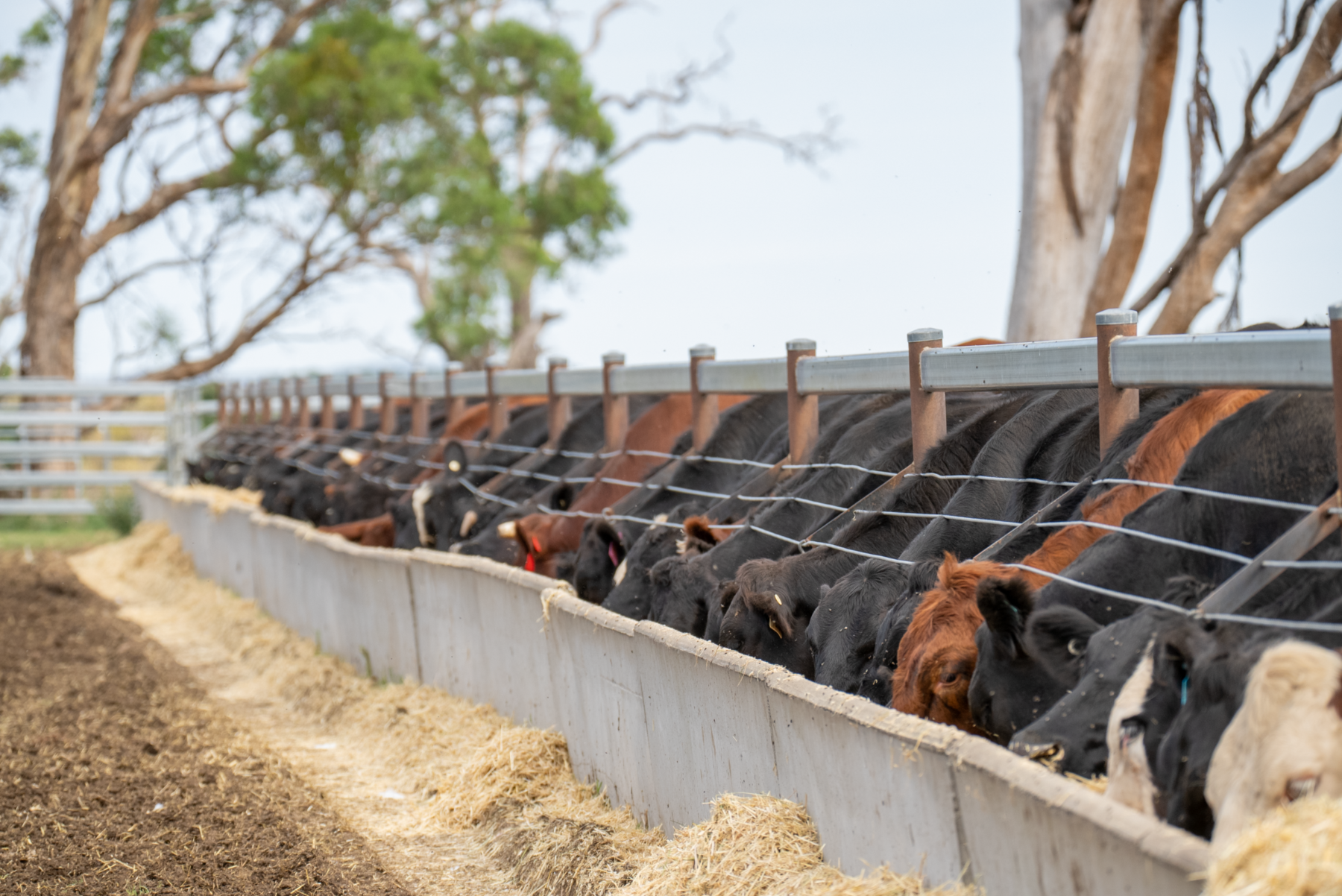
Australia’s feedlot industry has taken a major step forward in emergency animal disease (EAD) preparedness through a coordinated, industry-led biosecurity program.

‘Since the emergence of foot and mouth disease (FMD) and lumpy skin disease (LSD) risks in our region in 2022, ALFA has taken a proactive and practical approach to strengthening the feedlot sector’s preparedness,’ said Christian Mulders, ALFA CEO.

‘This project has been about ensuring Australia’s feedlot sector is better prepared, better informed and better connected in the event of an emergency animal disease response.’

The ALFA EAD Biosecurity Project aimed to:

  • operationalise national EAD frameworks at a feedlot level
  • make preparedness tools more practical and accessible
  • build capacity across feedlot operators, service providers and ALFA as the peak industry body.

Updated industry standards and guidelines

An important project output has been the reviewed AUSVETPLAN Enterprise Manual: Beef Cattle Feedlots, which was updated for the first time since 2010. The manual provides clear, industry-specific guidance on EAD preparedness for government and industry personnel.

Model Feedlot Operational Procedures were developed to offer additional practical guidance for feedlot operators, specifically around preventing and responding to incursions of LSD or FMD.

The industry’s biosecurity standards have also been strengthened under the National Feedlot Accreditation Scheme (NFAS). These enhancements focus on:

  • feedlot EAD action planning
  • improved destruction, disposal and decontamination preparedness – the most challenging aspect of EAD preparedness according to feedlot personnel.

Proactive planning in these areas allows for more rapid response times and improved coordination with state authorities during an EAD event.

ALFA Biosecurity Hub

The new ALFA Biosecurity Hub consolidates the various practical resources produced throughout the project, supporting their ongoing adoption by feedlot operators and service providers. A new suite of biosecurity workbooks provides clear guidance and useful tools to help feedlot operators elevate their day-to-day biosecurity management.

The portal also contains fact sheets and documentation to support EAD preparedness, such as a fillable feedlot EAD action plan.

The ALFA Biosecurity Hub encourages consistent and robust biosecurity practices across the feedlot sector. ALFA plans to annually review the templates, fact sheets and action plans to ensure the portal remains a valuable central access point for feedlot biosecurity planning.

Increasing industry awareness and capability

Extension activities have been a key component of ALFA’s industry biosecurity uplift. This includes national communications and training workshops to support widespread adoption of the new biosecurity tools, revised guidelines and enhanced standards.

ALFA has delivered training to nearly 250 participants through ten face-to-face workshops, targeting Australia’s major feedlot regions. They also hosted a webinar to engage feedlot service providers — veterinarians, nutritionists and auditors — and ensure their biosecurity knowledge is current and consistent.

ALFA recognises the importance of building industry capability through dedicated workshops and training sessions, and the lasting impact this has on national EAD preparedness.

‘I am incredibly proud of what the ALFA team has achieved through this project and the lasting capability it has delivered for our industry,’ Christian shared.

‘While this project has formally concluded, the capability built through it provides a strong foundation for the feedlot sector to remain vigilant, resilient and response-ready.’

Upcoming workshops: Entry-Exit Training

The EAD Biosecurity Project is complete, however ALFA remains dedicated to the continual development of biosecurity and EAD preparedness across the feedlot sector.

From April to June, ALFA is delivering practical half-day workshops designed to educate feedlot managers and staff on applicable, everyday practices to minimise biosecurity risks. They also explore ways to improve biosecurity between hot and cold zones in the event of an EAD, such as by minimising disease spread from people, vehicles and equipment.

ALFA’s Entry-Exit Training is happening in New South Wales, Victoria, Western Australia, South Australia and Queensland. Workshops are sponsored by Animal Health Australia.

Registrations for Entry-Exit Training are now open. Visit the ALFA website for more information.

Read the latest information on
Foot-and-mouth disease

Read the latest information on
Lumpy skin disease

Read the latest information on
Japanese encephalitis

Subscribe to our newsletter

Farm Biosecurity News

Use our profiler to make your

Biosecurity Toolkit

Latest News
  • 12 May 2026

    Major biosecurity uplift within Australia’s feedlot industry
  • 12 May 2026

    Practical steps to strengthen your farm biosecurity this autumn
  • 23 April 2026

    Come clean, go clean, to reduce biosecurity risks
  • 21 April 2026

    Plan well, act early: how Ella Matta Pastoral became Australia’s biosecurity benchmark
  • 10 March 2026

    Biosecurity checks for grains growers after severe weather

Emergency Animal Disease Hotline
1800 675 888

Exotic Plant Pest Hotline
1800 084 881

  • Sitemap
  • Copyright
  • Contact us
  • Privacy & Disclaimer
  • Website by Morph Digital