Read the latest information on
Foot-and-mouth disease

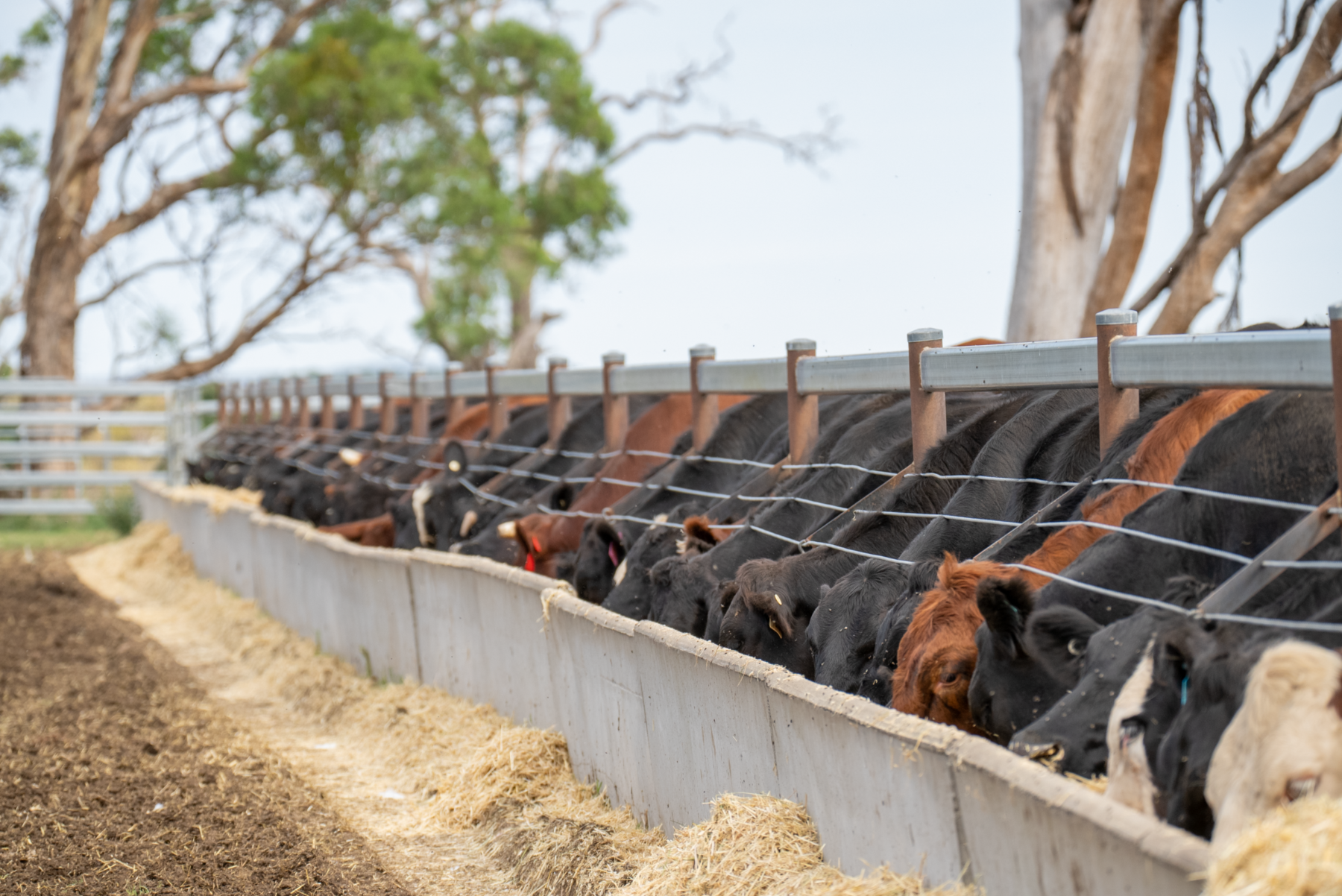
Australia’s feedlot industry has taken a major step forward in emergency animal disease (EAD) preparedness through a coordinated, industry-led biosecurity program.
‘Since the emergence of foot and mouth disease (FMD) and lumpy skin disease (LSD) risks in our region in 2022, ALFA has taken a proactive and practical approach to strengthening the feedlot sector’s preparedness,’ said Christian Mulders, ALFA CEO.
‘This project has been about ensuring Australia’s feedlot sector is better prepared, better informed and better connected in the event of an emergency animal disease response.’
The ALFA EAD Biosecurity Project aimed to:
An important project output has been the reviewed AUSVETPLAN Enterprise Manual: Beef Cattle Feedlots, which was updated for the first time since 2010. The manual provides clear, industry-specific guidance on EAD preparedness for government and industry personnel.
Model Feedlot Operational Procedures were developed to offer additional practical guidance for feedlot operators, specifically around preventing and responding to incursions of LSD or FMD.
The industry’s biosecurity standards have also been strengthened under the National Feedlot Accreditation Scheme (NFAS). These enhancements focus on:
Proactive planning in these areas allows for more rapid response times and improved coordination with state authorities during an EAD event.
The new ALFA Biosecurity Hub consolidates the various practical resources produced throughout the project, supporting their ongoing adoption by feedlot operators and service providers. A new suite of biosecurity workbooks provides clear guidance and useful tools to help feedlot operators elevate their day-to-day biosecurity management.
The portal also contains fact sheets and documentation to support EAD preparedness, such as a fillable feedlot EAD action plan.
The ALFA Biosecurity Hub encourages consistent and robust biosecurity practices across the feedlot sector. ALFA plans to annually review the templates, fact sheets and action plans to ensure the portal remains a valuable central access point for feedlot biosecurity planning.
Extension activities have been a key component of ALFA’s industry biosecurity uplift. This includes national communications and training workshops to support widespread adoption of the new biosecurity tools, revised guidelines and enhanced standards.
ALFA has delivered training to nearly 250 participants through ten face-to-face workshops, targeting Australia’s major feedlot regions. They also hosted a webinar to engage feedlot service providers — veterinarians, nutritionists and auditors — and ensure their biosecurity knowledge is current and consistent.
ALFA recognises the importance of building industry capability through dedicated workshops and training sessions, and the lasting impact this has on national EAD preparedness.
‘I am incredibly proud of what the ALFA team has achieved through this project and the lasting capability it has delivered for our industry,’ Christian shared.
‘While this project has formally concluded, the capability built through it provides a strong foundation for the feedlot sector to remain vigilant, resilient and response-ready.’
The EAD Biosecurity Project is complete, however ALFA remains dedicated to the continual development of biosecurity and EAD preparedness across the feedlot sector.
From April to June, ALFA is delivering practical half-day workshops designed to educate feedlot managers and staff on applicable, everyday practices to minimise biosecurity risks. They also explore ways to improve biosecurity between hot and cold zones in the event of an EAD, such as by minimising disease spread from people, vehicles and equipment.
ALFA’s Entry-Exit Training is happening in New South Wales, Victoria, Western Australia, South Australia and Queensland. Workshops are sponsored by Animal Health Australia.
Registrations for Entry-Exit Training are now open. Visit the ALFA website for more information.