Popular search terms
  • Biosecurity toolkit
  • Contact us
  • What is biosecurity?
  • Farm Biosecurity Program
  • Plant pest responses
  • Animal disease response
  • Farm profiler
  • Toolkit
  • Subscribe
  • About
    • About the Farm Biosecurity Program
    • Emergency animal disease responses
    • Emergency plant pest responses
  • Essentials
    • Farm inputs
    • Farm outputs
    • Ferals & weeds
      • Wild dog biosecurity
    • People, vehicles & equipment
    • Production practices
    • Train, plan & record
    • Videos
  • Toolkit
    • Gate sign
    • Create your own biosecurity kit
    • Declarations
    • Manuals
    • On-farm biosecurity planning
    • Records
  • Crops
    • Cotton
      • Cotton best management practice
      • Cotton product management
      • Cotton pests
    • Feed mills
    • Fruit & nuts
      • Fruit & nut pests
        • Apple and pear pests
        • Avocado pests
        • Banana pests
        • Cherry pests
        • Citrus pests
        • Mango pests
        • Nut pests
        • Papaya pests
        • Summerfruit pests
      • Fruit & nut product management
    • Grains
      • Grains pests
      • Grains product management
      • Grain storage options
    • Honey bees
      • BeeAware website and newsletter
      • Code of Practice and National Bee Biosecurity Program
      • Honey bee glossary
      • Honey bee product management
      • Honey bee pests
      • Honey bee best management practice
      • Beekeeper advisory – mosquito insecticide control during the 2022 Japanese encephalitis outbreak
    • Nursery & garden
      • Nursery & garden pests
      • Nursery & garden product management
      • Nursery & garden best management practice
    • Onions
      • Onion pest threats
      • Onion pest eradication or control examples
    • Plantation forestry
      • Forestry biosecurity practices
      • Forestry pests
      • Hypothetical exotic bark beetle incursion
      • Plantation forestry quality assurance
    • Potatoes
      • Potato pest threats
      • Potato biosecurity areas
    • Sugarcane
      • Sugarcane best management practice
      • Sugarcane biosecurity essentials
      • Queensland Sugarcane Biosecurity Zones
      • Sugarcane pests and weeds
    • Vegetables
      • Vegetable pests
      • Vegetable product management
    • Viticulture
      • Phylloxera
      • Viticulture pests
      • Viticulture product management
  • Livestock
    • Alpacas
    • Beef cattle
    • Chickens
    • Dairy cattle
    • Ducks
    • Eggs
    • Feed mills
    • Goats
    • Horses
      • Mosquito Management for Horses
    • Lot feeding
    • New and emerging livestock industries
    • Pigs
      • Feeding your pigs
      • Controlling mosquitoes around piggeries
    • Ratites
    • Sheep
    • Zoo animals
  • Get help
    • Animal health and biosecurity extension
      • Property biosecurity management planning
  • News
    • E-newsletter
    • Subscribe to Farm Biosecurity News
  • Stories
  • Videos

The role of industry in EAD preparedness and response

Print this page
  • Home
  • News
  • The role of industry in EAD preparedness and response

The role of industry in EAD preparedness and response

An effective emergency animal disease (EAD) response relies on early detection, prompt reporting, rapid containment and, where possible, eradication of the disease. Achieving this requires not only strong government leadership but informed and active involvement from industry.

While responses are managed by the lead agency (state or territory government), close collaboration with industry is essential. Industry brings practical, on‑the‑ground knowledge of livestock production systems, supply chains and producer decision‑making. This ensures response decisions are practical, informed and consistent with how livestock production operates in the real world.

The Liaison–Livestock Industry (LLI) role provides a formal mechanism for this collaboration, embedding industry expertise directly into government‑led response arrangements.

LLI role in an EAD response

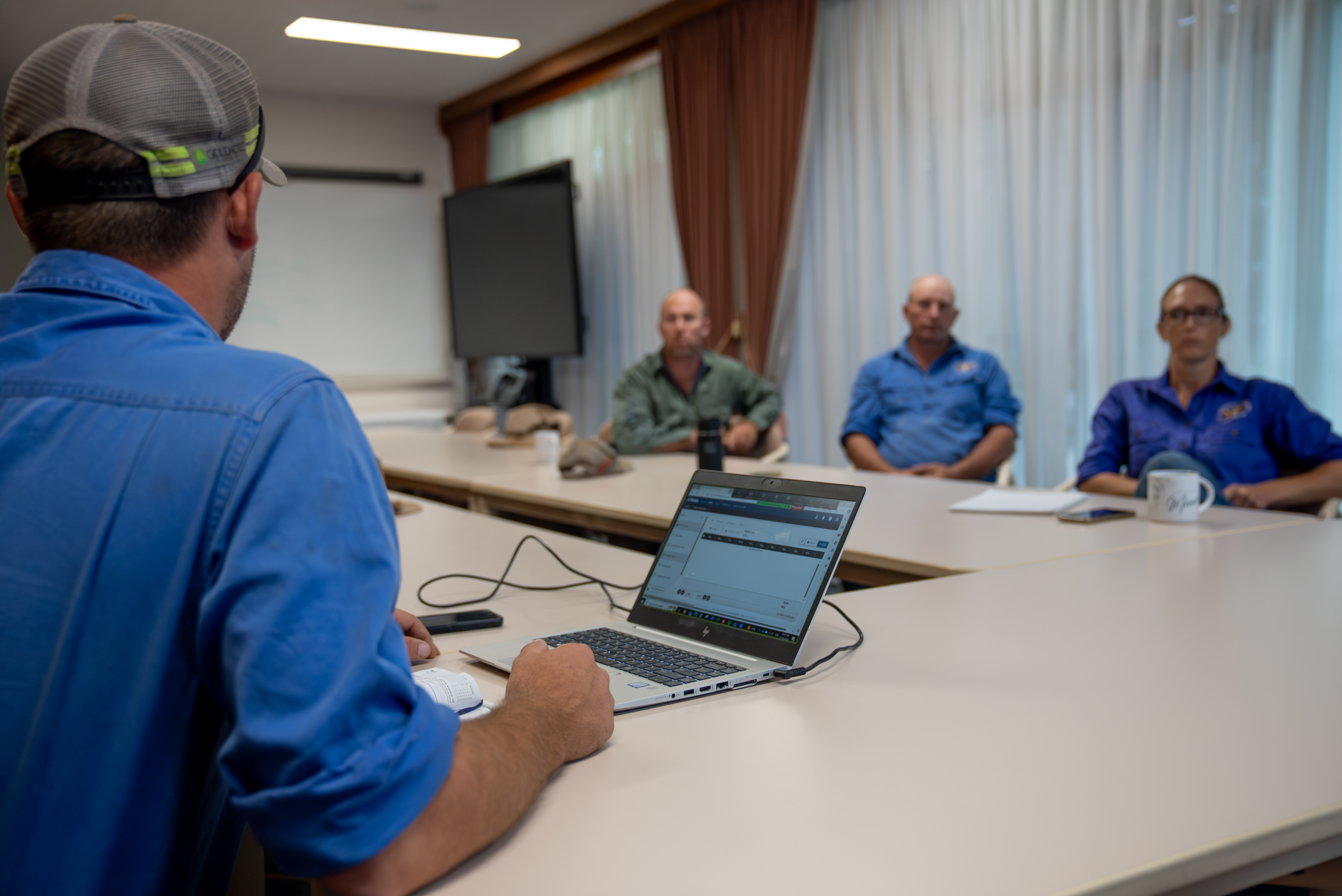
Liaison-Livestock Industry (LLI) representatives are appointed by peak industry bodies (PIBs) to represent their sector during an EAD response. The LLI is the vital link between the affected livestock industry and a government-led response, making sure producer perspectives shape decisions and that information moves quickly and accurately.

LLI responsibilities generally include:

  • advocating for producer interests in response planning, including providing input into key emergency response documents
  • participating in briefings, debriefings and handovers, and recording relevant notes and outcomes
  • communicating issues, concerns or emerging information from industry and reporting to the Incident Controller and their PIB
  • managing, sharing and recording information, including following confidentiality requirements and security protocols
  • ensuring the realities of livestock production inform response strategies. 

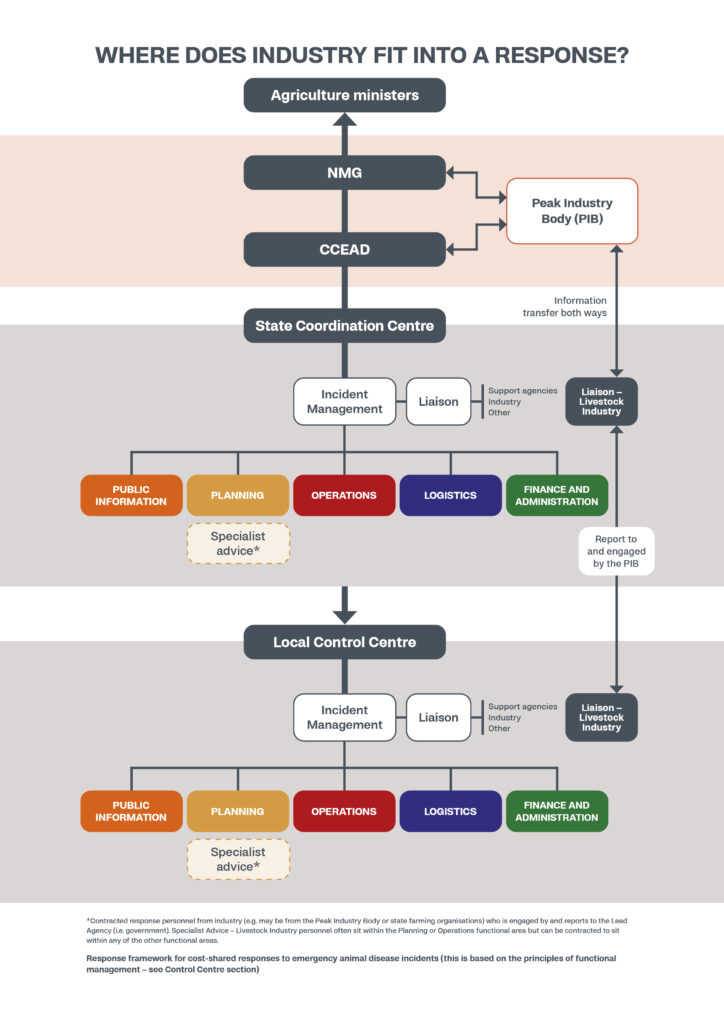
The LLI function works within the Liaison section of a State Coordination Centre or Local Control Centre during a response, enabling industry perspectives to feed directly into the relevant incident management team.

EAD response structure chart

The value of industry perspective

To obtain the best possible outcome, an EAD response requires strong collaboration between government and industry.

Working together from the start of a response helps to:

  • align views on disease control measures
  • inform decision-making by national committees
  • inform response and recovery planning
  • identify and understand resources and logistics
  • identify and manage risks and potential impacts of response decisions
  • improve government understanding of industry operations.

Building a national LLI network

Animal Health Australia (AHA) delivers the LLI Project, which provides online and face-to-face workshops and resources for industry personnel nominated by their PIBs to train for the LLI role.

As Australia’s livestock industries face an increase in the number and complexity of biosecurity incursions, having a pool of trained industry personnel to support responses is more important than ever.

AHA training supports industry to develop and maintain a capable network of LLI representatives and provide participants with the following outcomes:

  • enhanced industry-government biosecurity response networks
  • increased understanding and clarity of the LLI role and responsibilities
  • increased awareness of response structures, processes and activities in the nominated jurisdiction
  • increased awareness of the importance of managing communications in an EAD response.

Between 2022 and 2025, AHA engaged 207 industry representatives in LLI workshops, representing 15 PIBs. The AHA LLI online course is also a valuable tool for supporting industry EAD preparedness.

How to get involved

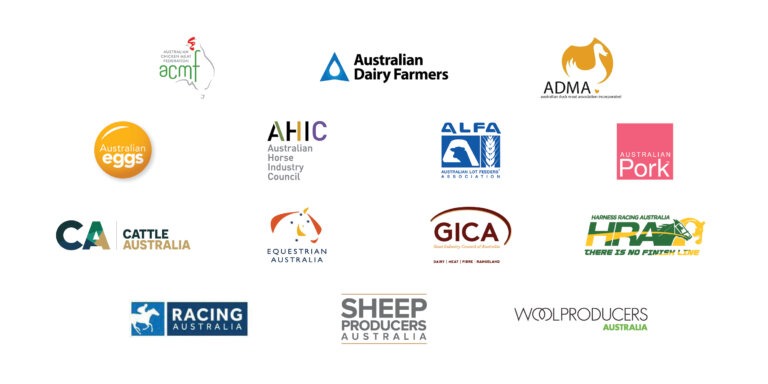
LLI representatives must be endorsed by their PIB (EADRA Signatories only).

If you’re ready to step up and represent your industry in a response, discuss LLI representation with your PIB (see image below to identify your participating PIB).

Livestock Peak Industry Bodies Logos

You can also fill in an LLI Training expression of interest form, and someone from the AHA training team will be in contact.

Learn more

For further details on the LLI Project, please visit the Animal Health Australia LLI webpage or reach out to the AHA Training Team at trainingsupport@animalhealthaustralia.com.au.

Read the latest information on
Foot-and-mouth disease

Read the latest information on
Lumpy skin disease

Read the latest information on
Japanese encephalitis

Subscribe to our newsletter

Farm Biosecurity News

Use our profiler to make your

Biosecurity Toolkit

Latest News
  • 13 May 2026

    The role of industry in EAD preparedness and response
  • 12 May 2026

    Major biosecurity uplift within Australia’s feedlot industry
  • 12 May 2026

    Practical steps to strengthen your farm biosecurity this autumn
  • 23 April 2026

    Come clean, go clean, to reduce biosecurity risks
  • 21 April 2026

    Plan well, act early: how Ella Matta Pastoral became Australia’s biosecurity benchmark

Emergency Animal Disease Hotline
1800 675 888

Exotic Plant Pest Hotline
1800 084 881

  • Sitemap
  • Copyright
  • Contact us
  • Privacy & Disclaimer
  • Website by Morph Digital