If it can move, it can carry diseases, pests and weeds. For this reason, people, vehicles and equipment pose a high biosecurity risk and should be managed accordingly.

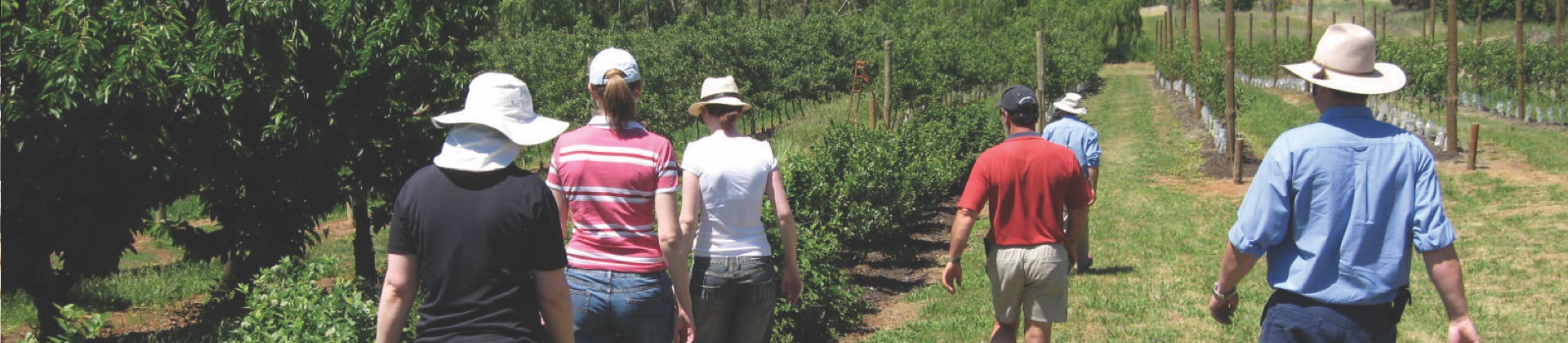
If it can move, it can carry diseases, pests and weeds. For this reason, people, vehicles and equipment pose a high biosecurity risk and should be managed accordingly.
Visit the Records section for gate sign templates, and copies of visitor assessments and visitor records mentioned in the videos. The Biosecurity Toolkit section in the Crop and Livestock industry pages have all the resources you need to implement biosecurity measures on your farm.
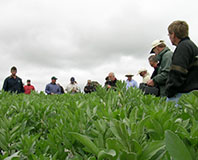
People can unintentionally carry diseases, pests and weeds without even realising. This means anyone visiting your property including suppliers, vets, transporters, stock agents, consultants, itinerant workers, researchers and contractors. It also includes guests, and, anyone who lives on the property.
To limit the risk of visitors carrying new pests and diseases onto your property:

This video is also available in Bislama, French, Khmer, Korean, Mandarin, Tetum, Tongan, and Vietnamese.
This video for farm workers outlines some of simple ways they can support farm biosecurity. It is been translated into Bislama, French, Khmer, Korean, Mandarin, Tetum, Tongan, and Vietnamese. View the full playlist on the FarmBiosecurity YouTube channel.
An accompanying fact sheet summarising the information in the video can be downloaded here. This fact sheet is also available in Bislama, Chinese (Simplified), French, Khmer, Korean, Tetum, Tongan, and Vietnamese.
These resources were developed by Plant Health Australia with support from the Australian Government Department of Agriculture, Water and the Environment.
Use signs to inform visitors of your biosecurity status and what you require from them. Never assume that visitors know the appropriate biosecurity measures for your property.
For signage to be effective:
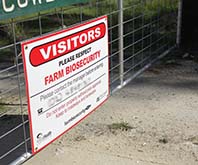
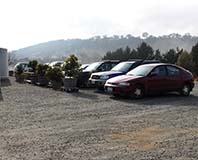
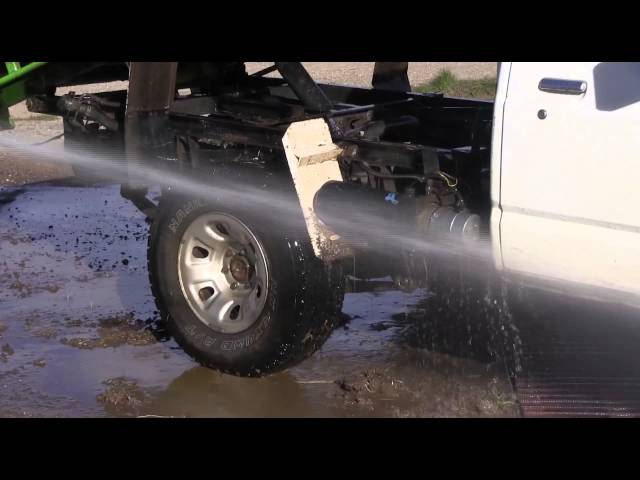
Diseases, pests and weeds can enter a farm and be spread by equipment and vehicles, either directly or in plant material, soil or manure. It is important to maintain equipment hygiene and ensure all vehicles that visit your property are clean and well maintained.
Knowing who has entered your property allows possible sources of diseases, pests or weeds to be tracked. Also, limiting the number of vehicle access points to your property will limit the potential disease, pest and weed entry sites and allow you to monitor these areas closely.
Vehicle tyres, undercarriages, grills, floors and trays can carry diseases, pests and weeds in soil, plant material and manure.
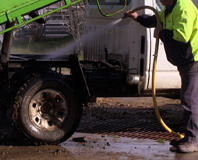
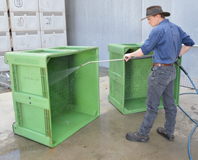
Storage containers, tools and feeding equipment can carry or harbour diseases, pests or weeds. Regularly clean and disinfect all storage containers, tools and equipment, and store away from potential contaminants. The regular use of a suitable disinfectant is important and most effective when applied to a visually clean surface. Make sure surfaces to be disinfected are free from soil, manure, plant and animal residues.
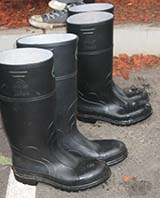
It may be most practical to assign equipment (including tools, clothing, and footwear) for use in disease, pest and weed affected areas or for handling sick stock. The equipment used in infected or infested areas should not be reused in clean areas, and vice versa.
One area of especially high risk are the few zoonotic diseases (those which can be passed from animals to humans, such as hendra or avian influenza). Seek advice from a veterinarian if you see any unusual symptoms in your animals and use appropriate personal protective equipment (such as gloves, protective eyewear and a face mask) with suspected animals. It is particularly important that any husbandry equipment exposed to a diseased animal is cleaned and disinfected before it is used on other livestock.
Using good hygiene practices undertaken during potting and propagation will minimise the chance of pests spreading. The facilities and areas designated for propagation activities should be separated from production areas.