Read the latest information on
Foot-and-mouth disease

El Niño conditions can bring significant challenges for livestock producers. While it’s difficult to know exactly how seasonal conditions will unfold across Australia, preparing now can help reduce the impact of extreme weather on your livestock, land and business.
El Niño typically develops every four to five years as sea surface temperatures in the central and eastern Pacific Ocean increase. In Australia, El Niño events often bring hotter conditions, reduced rainfall, and severe weather.
Drought, heatwaves, bushfires and even major rainfall events can all create biosecurity challenges for livestock producers. By identifying potential risks and planning ahead, you can better protect your animals, property and productivity this summer.
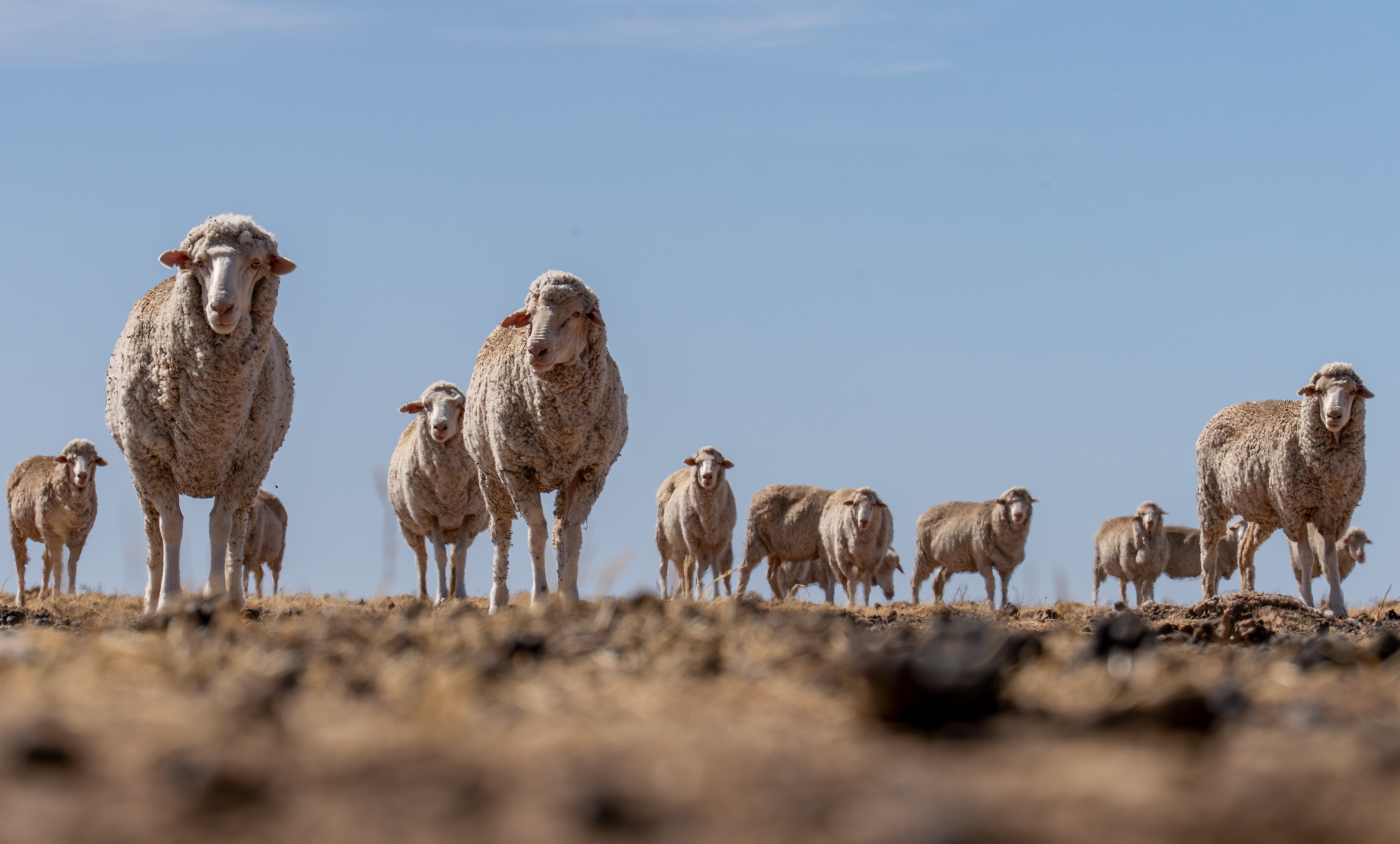
Droughts and prolonged periods of extreme heat are common during El Niño events. In dry conditions, some producers may use confinement feeding – confining livestock to a small area and feeding a total ration – to help preserve ground cover, prevent overgrazing and protect animal health.
While confinement feeding can be an effective drought management strategy, it can increase biosecurity risks if not managed carefully.
Animals housed in close proximity are more likely to spread disease. Shared feed and water points can also become sources of contamination.
Good planning and management can help reduce these risks. Manage stocking densities to allow livestock enough space to be comfortable, while minimising unnecessary land degradation. Monitor livestock regularly for signs of illness and clean feed and water troughs routinely to maintain hygiene and minimise disease spread.
Where possible, isolate and monitor any sick animals to reduce contact with the rest of the group.
Bushfires can destroy farm infrastructure such as fences and disrupt wildlife and feral animal populations, forcing them to move into new areas in search of food, water and shelter. This can increase contact between feral animals, livestock, feed and water sources, creating opportunities for disease transmission.
Protect stored feed and water supplies where possible and inspect boundary fencing after fire events. Monitoring for increased feral animal activity and taking appropriate control measures can help minimise biosecurity risks.
While El Niño is commonly associated with drier conditions, intense rainfall and flooding can still occur.
Floodwaters can carry weeds, pests, soil, manure and other contaminants onto your property. Standing water can also attract wildlife and create favourable conditions for pests and diseases.
After floodwaters recede, inspect paddocks and water sources for signs of weed incursions, wildlife or pest activity, or contamination before allowing livestock to access these areas.
Preparing for severe weather starts well before an emergency occurs. Incorporating biosecurity into your overall preparedness plan can reduce risks, support animal health, and improve your farm’s ability to recover after an event.
While seasonal conditions can be unpredictable, incorporating biosecurity into your planning can help protect your animals, business and property, and support recovery after extreme weather events.