Popular search terms
  • Biosecurity toolkit
  • Contact us
  • What is biosecurity?
  • Farm Biosecurity Program
  • Plant pest responses
  • Animal disease response
  • Farm profiler
  • Toolkit
  • Subscribe
  • About
    • About the Farm Biosecurity Program
    • Emergency animal disease responses
    • Emergency plant pest responses
  • Essentials
    • Farm inputs
    • Farm outputs
    • Ferals & weeds
      • Wild dog biosecurity
    • People, vehicles & equipment
    • Production practices
    • Train, plan & record
    • Videos
  • Toolkit
    • Gate sign
    • Create your own biosecurity kit
    • Declarations
    • Manuals
    • On-farm biosecurity planning
    • Records
  • Crops
    • Cotton
      • Cotton best management practice
      • Cotton product management
      • Cotton pests
    • Feed mills
    • Fruit & nuts
      • Fruit & nut pests
        • Apple and pear pests
        • Avocado pests
        • Banana pests
        • Cherry pests
        • Citrus pests
        • Mango pests
        • Nut pests
        • Papaya pests
        • Summerfruit pests
      • Fruit & nut product management
    • Grains
      • Grains pests
      • Grains product management
      • Grain storage options
    • Honey bees
      • BeeAware website and newsletter
      • Code of Practice and National Bee Biosecurity Program
      • Honey bee glossary
      • Honey bee product management
      • Honey bee pests
      • Honey bee best management practice
      • Beekeeper advisory – mosquito insecticide control during the 2022 Japanese encephalitis outbreak
    • Nursery & garden
      • Nursery & garden pests
      • Nursery & garden product management
      • Nursery & garden best management practice
    • Onions
      • Onion pest threats
      • Onion pest eradication or control examples
    • Plantation forestry
      • Forestry biosecurity practices
      • Forestry pests
      • Hypothetical exotic bark beetle incursion
      • Plantation forestry quality assurance
    • Potatoes
      • Potato pest threats
      • Potato biosecurity areas
    • Sugarcane
      • Sugarcane best management practice
      • Sugarcane biosecurity essentials
      • Queensland Sugarcane Biosecurity Zones
      • Sugarcane pests and weeds
    • Vegetables
      • Vegetable pests
      • Vegetable product management
    • Viticulture
      • Phylloxera
      • Viticulture pests
      • Viticulture product management
  • Livestock
    • Alpacas
    • Beef cattle
    • Chickens
    • Dairy cattle
    • Ducks
    • Eggs
    • Feed mills
    • Goats
    • Horses
      • Mosquito Management for Horses
    • Lot feeding
    • New and emerging livestock industries
    • Pigs
      • Feeding your pigs
      • Controlling mosquitoes around piggeries
    • Ratites
    • Sheep
    • Zoo animals
  • Get help
    • Animal health and biosecurity extension
      • Property biosecurity management planning
  • News
    • E-newsletter
    • Subscribe to Farm Biosecurity News
  • Stories
  • Videos

Protecting your farm’s biosecurity when severe weather strikes

Print this page
  • Home
  • News
  • Protecting your farm’s biosecurity when severe weather strikes

Protecting your farm’s biosecurity when severe weather strikes

Severe weather events such as bushfires, cyclones and flooding can bring significant disruption to farming operations, not just in the moment, but long into the recovery phase. Beyond immediate safety and property protection, extreme weather can change the biosecurity risk profile on your property and across your region. Understanding how these events interact with pests, diseases and weeds helps you prepare more effectively and protect your farm’s productivity and long-term viability.

Why severe weather matters for biosecurity

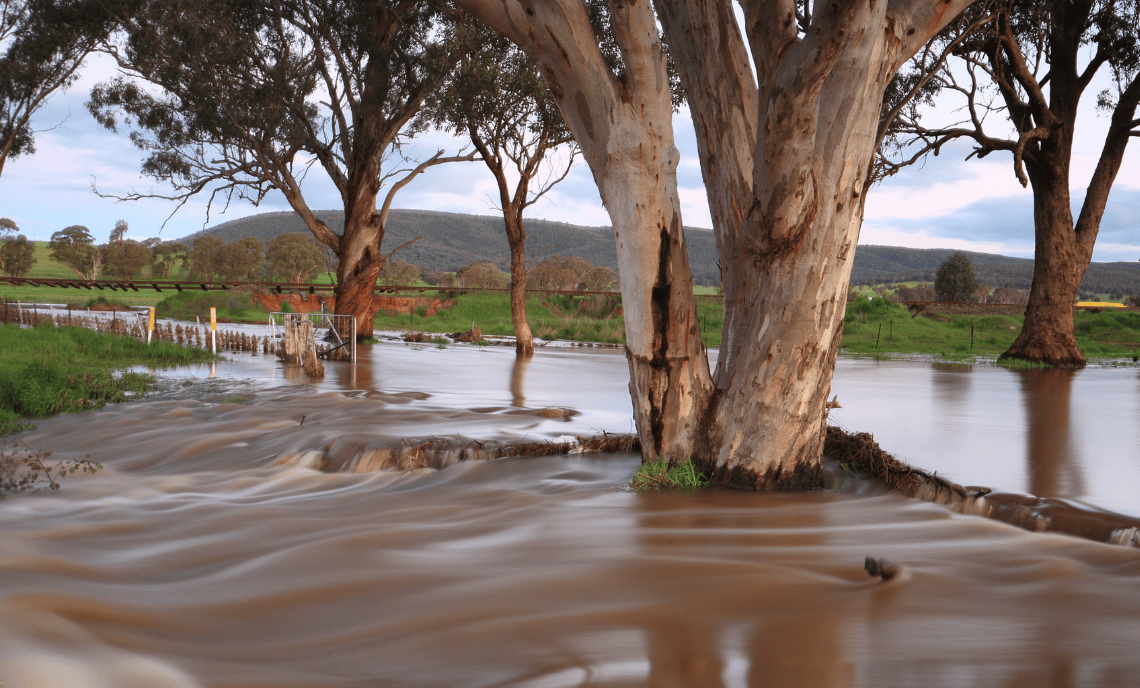
  • Flooding and stormwater movement can carry plant and animal material long distances, potentially introducing weeds, soil-borne diseases or pests into previously unaffected paddocks. Floodwaters do not respect farm boundaries — what was contained on one property can quickly cross into another.
  • After prolonged rain or flooding, favourable conditions for weed germination and disease spread increased risk, especially if soil and organic debris are left scattered across the property.
  • Bushfires may not only damage infrastructure and pasture, but also disturb vegetation and feral animal populations, creating new pathways for pest movement and gaps in established biosecurity barriers. Anticipating and planning for these outcomes reduces potential long-term impacts.

Planning is key

Being prepared for severe weather is about more than having an evacuation or insurance plan, but it’s about integrating biosecurity into your overall farm resilience strategy. A strong plan helps you reduce risk, make informed decisions under pressure and resume business operations more quickly after an event.

Here are some practical planning steps:

  • Develop your Farm Biosecurity Plan: Use the Farm Biosecurity Action Planner – assess and prepare your risks first to build a biosecurity plan tailored to your property. This planner helps you assess hazards, prioritise actions and embed biosecurity into day-to-day routines.
  • Think about all phases of an event: Before a disaster hits, know where critical assets are located, how you’ll manage animal movements, and how you’ll maintain hygiene if contractors or neighbours enter the property. After an event, wound-up fences, water-logged paddocks and debris can all be pathways for disease — plan to inspect, clean and reinstate your systems as soon as safely possible.
  • Use planning tools and resources: The Farm Biosecurity Toolkit includes manuals, checklists, videos and templates to support practical preparedness and recovery measures. You can build a biosecurity toolkit specific to your livestock, crops or production system.
  • Record, train and review: Well-trained staff and accurate records (for livestock movements, vehicle entries and visitor activity) help manage risk and trace issues if they arise. Revisiting your plan at least annually, and after any significant weather events, ensures it stays current and effective.

Practical steps you can take now

  • Review your property’s high-risk areas including gates, water points, machinery tracks, and consider whether biosecurity signage or checkpoints help manage movement.
  • After flooding, inspect paddocks closely for unusual weeds or pest activity before planting or grazing.
  • For livestock producers, ensure plans for evacuation and return take biosecurity and animal health into account, not just physical safety. Well-defined procedures for quarantine, access to clean feed and water, and traceability are valuable during recovery.

Biosecurity planning isn’t just a paperwork exercise, it’s about building resilience into your business so you can withstand shocks and recover stronger. Starting with tools such as the Farm Biosecurity Action Planner and the broader Toolkit is a practical first step toward weathering the next event with confidence and clarity.

Visit www.farmbiosecurity.com.au to access these tools and more to ensure your biosecurity plan is robust, up-to-date and ready for whatever nature brings next.

Read the latest information on
Foot-and-mouth disease

Read the latest information on
Lumpy skin disease

Read the latest information on
Japanese encephalitis

Subscribe to our newsletter

Farm Biosecurity News

Use our profiler to make your

Biosecurity Toolkit

Latest News
  • 22 January 2026

    Protecting your farm’s biosecurity when severe weather strikes
  • 22 January 2026

    From paddock to port: biosecurity training for everyone
  • 14 January 2026

    How Australia builds confidence in the EAD response system
  • 12 January 2026

    Preparing your property for the new year
  • 9 January 2026

    Drought-season biosecurity tips to protect your property

Emergency Animal Disease Hotline
1800 675 888

Exotic Plant Pest Hotline
1800 084 881

  • Sitemap
  • Copyright
  • Contact us
  • Privacy & Disclaimer
  • Website by Morph Digital