
...against diseases, pests and weeds
...against diseases, pests and weeds
...against diseases, pests and weeds
Farm Biosecurity produces a bi-monthly digest of the latest news and advancements in on-farm biosecurity
Learn moreThis fact sheet has been prepared for pig producers to assist in the control of mosquitoes in piggeries. It was developed in March 2022 by the Japanese encephalitis Vector Management Group – consisting of agriculture and health agencies, and the pork industry.
Learn moreSubscribe to receive our e-newsletter Farm Biosecurity News
Learn moreThe best defence against pests and diseases is to implement sound biosecurity practices on your farm. Quick and simple measures built into everyday practice will help protect your farm and your future.
Almost anything moved onto your property can be a potential source of pests and diseases for livestock and plants. Monitor animals or plant materials that enter the property, as well as sources of water, feed and fertiliser.
Continue reading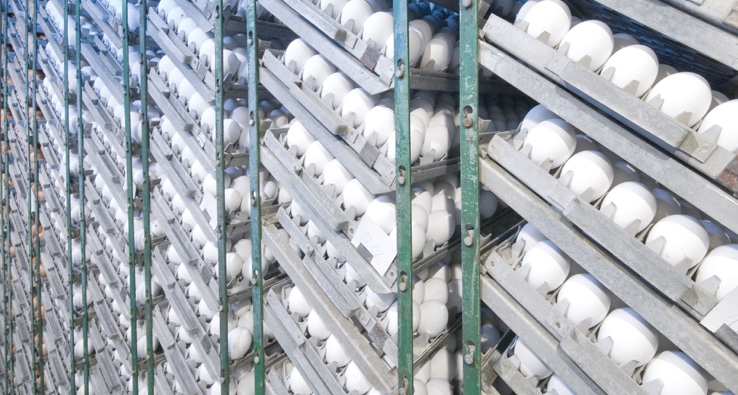
Responsibility for biosecurity doesn’t end when plant products or animals leave the farm gate. The measures in place on your property support biosecurity in your region.
Continue reading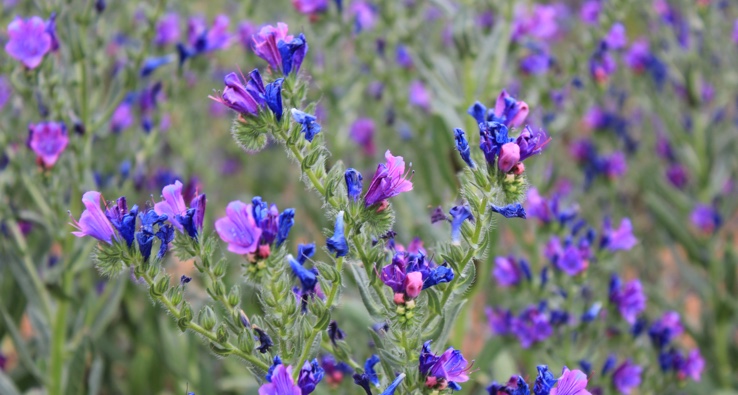
Feral animals, plant pests and weeds are a widespread nuisance but can also cause harm to your business, so they need to be actively controlled.
Continue reading
If it can move, it can carry diseases, pests and weeds. That's why people, vehicles and equipment pose a high biosecurity risk and should be managed accordingly.
Continue reading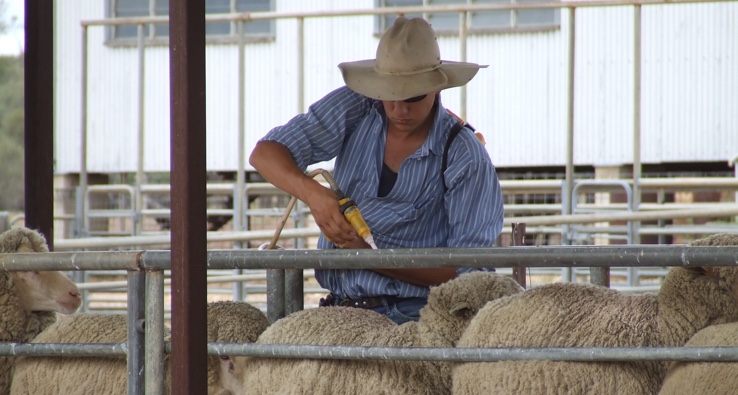
Good on-farm hygiene reduces the risk of spreading pests and diseases. You can implement simple hygiene practices with feed and water sources, product packaging, storage facilities, livestock husbandry, waste materials and plant propagation.
Continue reading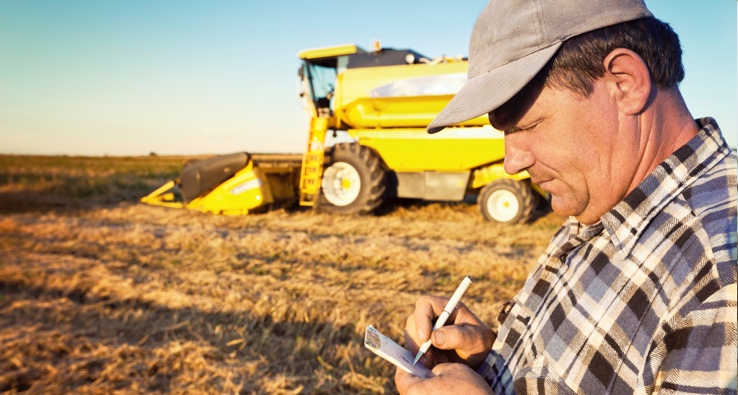
Ensure that staff are well trained and that you have the ability to trace where animals or plants have come from and where they went. Keep accurate records of purchases, sales and movements.
Continue reading
Plant Health Australia and Animal Health Australia offer free online biosecurity training through their BOLT eLearning platforms. Explore a range of self-paced courses covering preparedness, response arrangements and practical biosecurity topics for the plant and animal sectors.
AUSPestCheck® brings together plant pest surveillance data from across Australia, helping users identify gaps, reduce duplication and support evidence-based decision-making. Recent enhancements have improved secure data sharing and strengthened integration with other biosecurity platforms.
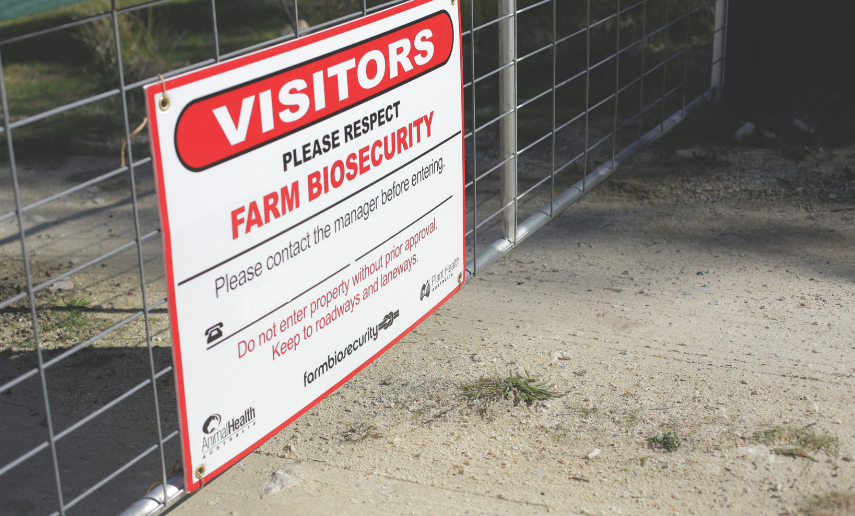
The way people, vehicles, equipment and deliveries enter your property can influence biosecurity risk. Learn how property maps, signage, access routes and clean-down areas can help manage movement and reduce the risk of pests, diseases and weeds entering your property.
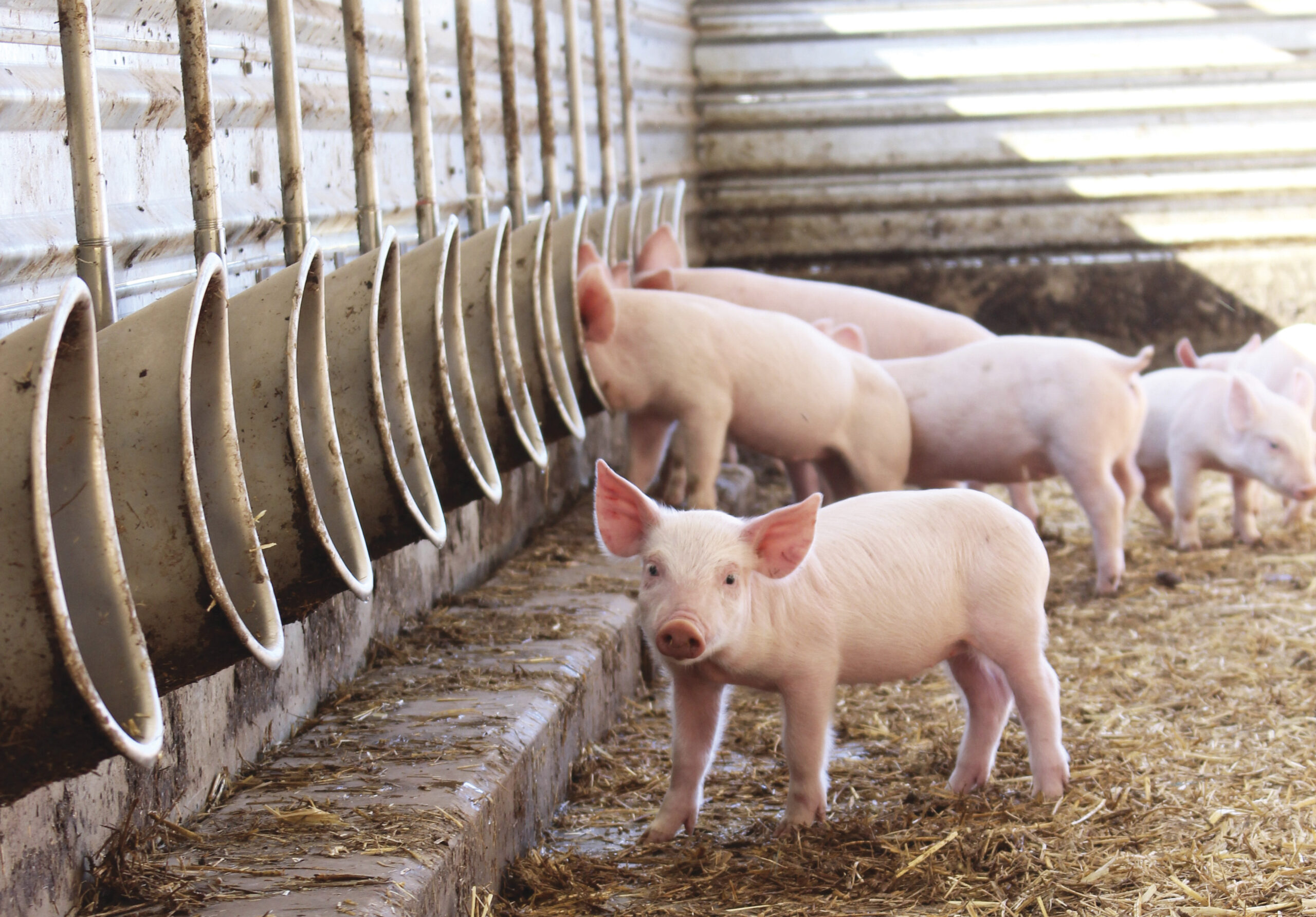
Dr Kirsty Richards, the 2025 Australian Biosecurity Award (Industry) winner, shares the key threats facing the pig industry, what producers are doing well, and practical actions that producers can take to help safeguard pig businesses.

Being ready for a biosecurity incident can make it easier to respond and reduce disruption on your property. Simple steps such as keeping records, managing movement and informing staff can help support a faster, more effective biosecurity response.
A simple biosecurity plan helps identify risks, set clear expectations and support day to day biosecurity practices on your property. Keeping it practical and tailored to your property can make it easier to manage risks and respond if something unusual occurs.
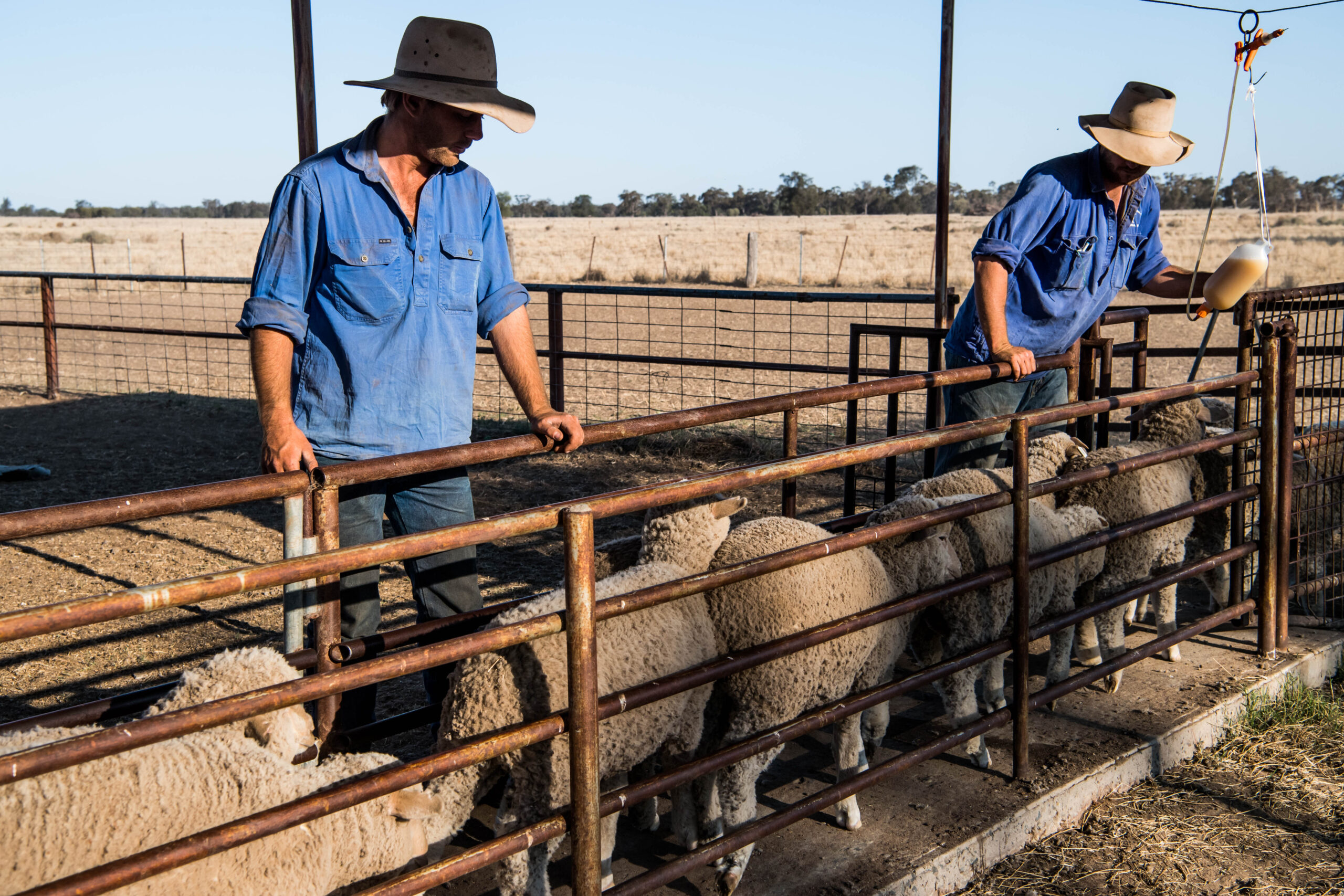
Strong biosecurity helps keep sheep healthy and productive while protecting the long-term performance of your business.
National Biosecurity Week, running from 24–30 August 2026, is a timely reminder that prevention, preparedness and early action are essential to protecting Australia’s food supply, environment, economy and way of life.
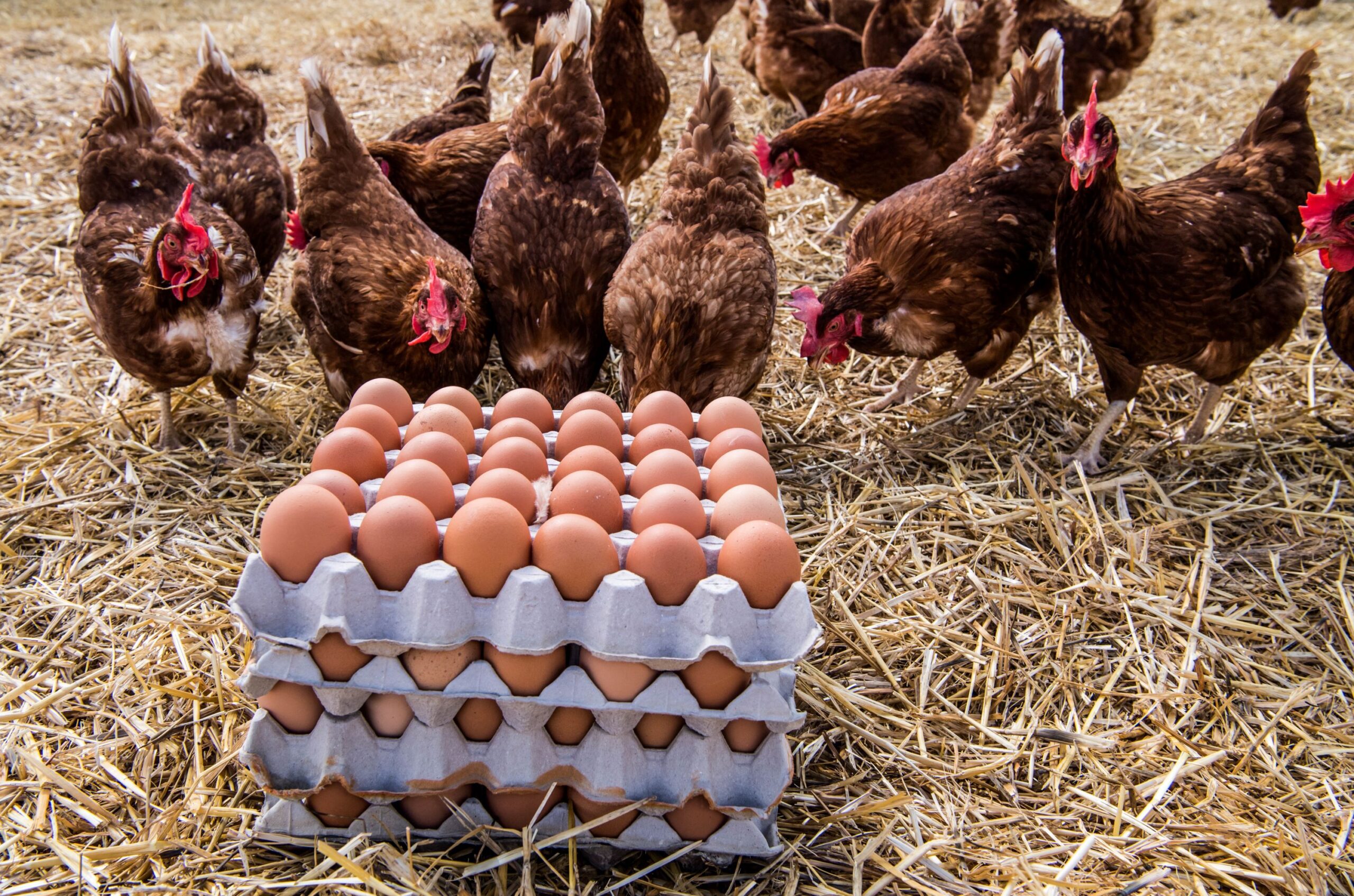
Australia can learn from countries that have been managing H5 bird flu for years. The evidence shows that while some measures can be challenging to implement, the cost of weak biosecurity is far greater.
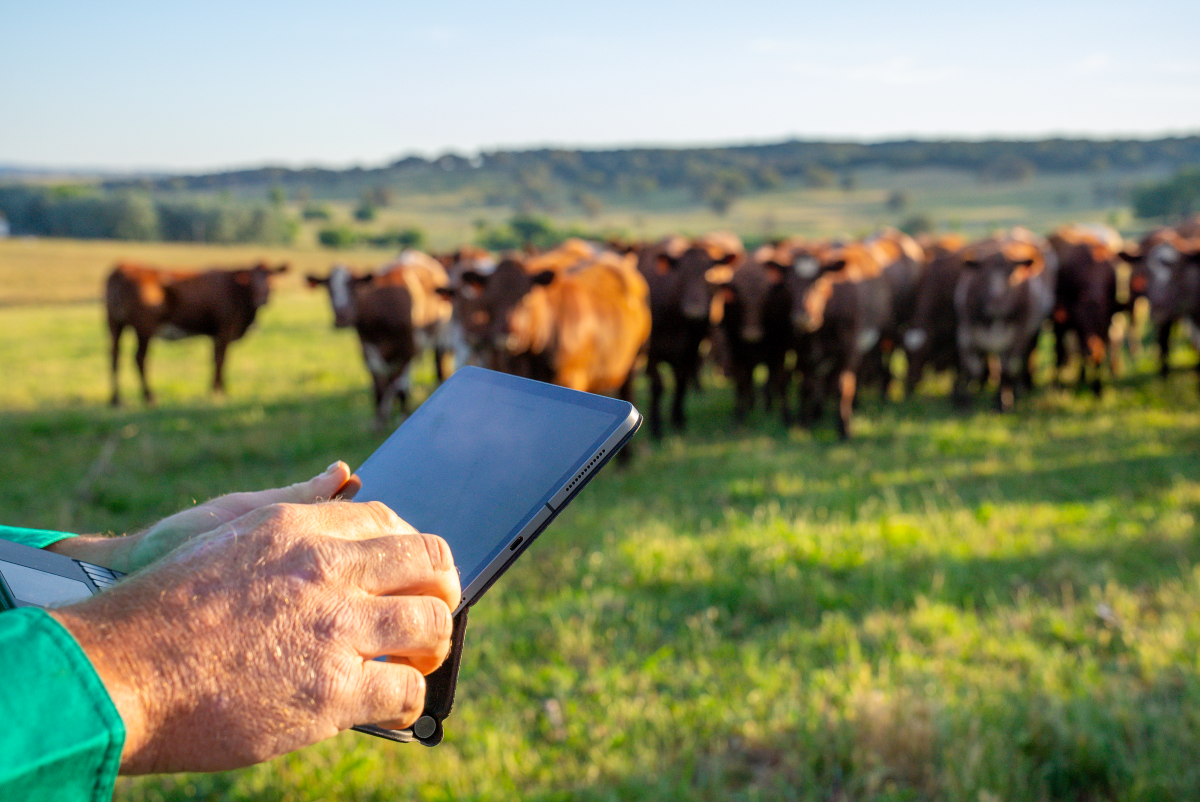
Australian livestock producers now have access to an improved Product Search Tool through ParaBoss, making it easier to compare parasite control products and support effective on-farm biosecurity.