Read the latest information on
Foot-and-mouth disease

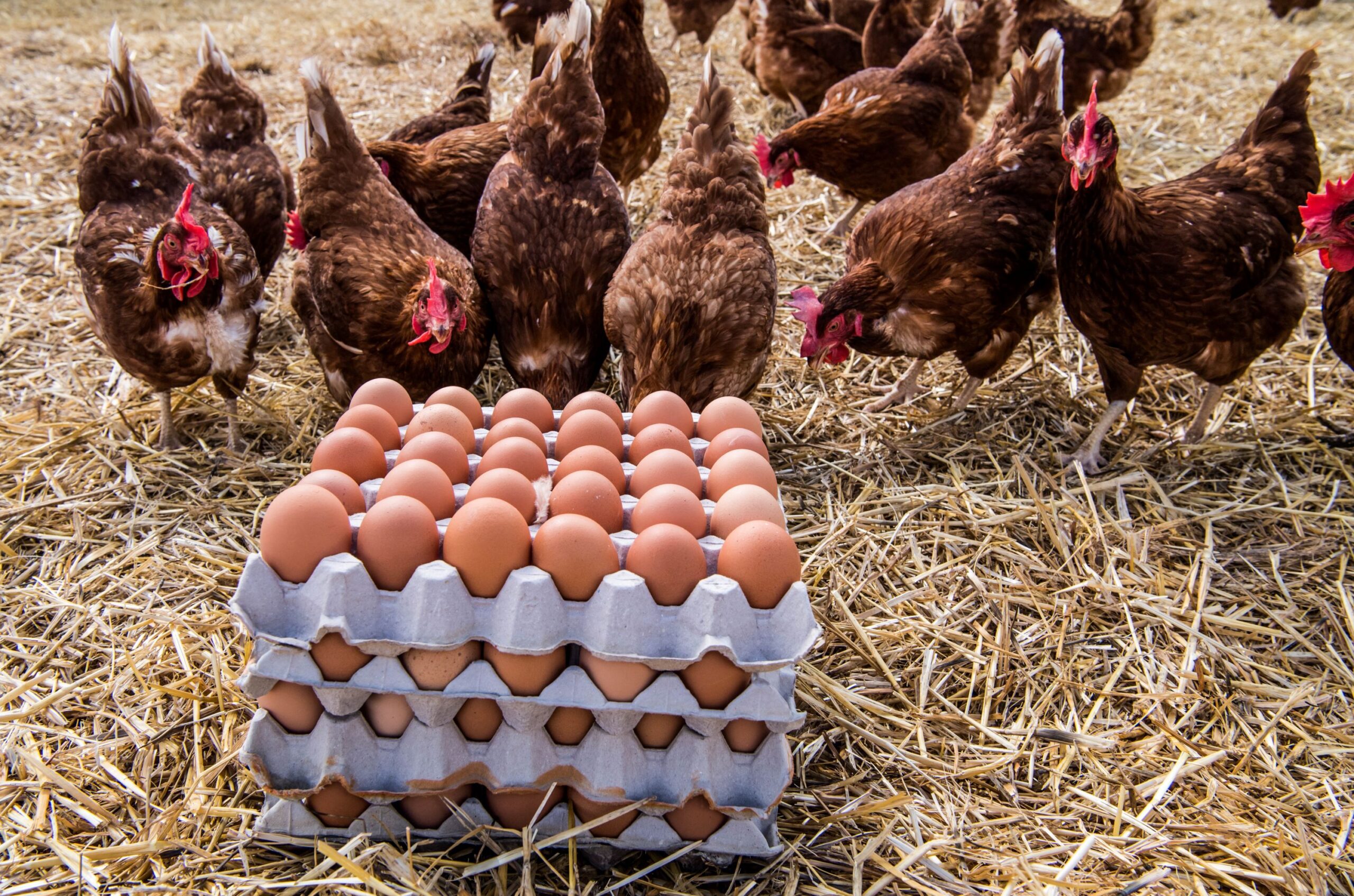
Last month, H5N1 avian influenza (H5 bird flu) reached Australian shores for the first time, carried by migratory seabirds arriving along the country’s southern coastline. Until now, Australia was the only continent without a case of this globally significant strain.
In response, Australia has ramped up surveillance to determine the extent of the disease, and the poultry industry is on high alert. While there have been no detections in commercial poultry to date, international experience shows that strong farm-level biosecurity is the most effective defence against H5 bird flu entering poultry flocks.
Most H5 bird flu detections in Australia have been in migratory seabirds carrying the virus from islands south of Australia. The most recent detection was in a native Australian seabird — a greater crested tern. This was the first confirmed detection in a wild, non-migratory Australian seabird.
There have been no detections of H5 bird flu in Australia’s commercial poultry flocks.
Other strains of bird flu circulate in wild birds in Australia, often causing little or no obvious disease. In 2024 and 2025, strains unrelated to H5 bird flu led to two outbreaks in domestic poultry. Both outbreaks were successfully eradicated.
However, the H5 strain is fast spreading. Since it began spreading globally in 2020, it has caused unprecedented losses in the poultry industry worldwide. The virus has also caused significant mortality events in wild birds and a range of other species, especially marine mammals.
H5 bird flu has spread to dairy cattle and cats (domestic and wild species) in the USA and has been detected in several other mammals, including alpacas, goats and sheep.
While the virus is zoonotic, meaning it can infect humans, animal-to-human transmission is rare.
Bird flu can enter a poultry farm through two main pathways: direct contact and indirect contact.
Direct transmission occurs when infected wild birds come into contact with poultry or poultry housing areas.
This may include wild birds entering sheds, accessing feed or water sources, or spending time in areas frequented by poultry. Free-range systems face greater exposure because outdoor access increases opportunities for interaction with wild birds and their droppings.
A recent study involving 1,936 poultry farms in the Netherlands demonstrated that areas with a more outdoor poultry farms faced a higher risk of H5 bird flu introduction and spread. In Europe, countries that proactively implemented housing orders were more successful in reducing virus transmission from wildlife to commercial flocks.
Reducing opportunities for direct contact is one of the most effective measures to prevent the introduction of disease.
While less obvious, indirect transmission remains a high-risk disease entry pathway. Bird flu can be carried onto farms through contaminated footwear, clothing, vehicles, equipment, feed, bedding, water or vermin. Wild bird droppings are a major source of contamination.
International outbreak investigations have shown that even with housing orders in place, poultry infections continue to occur through indirect contact. The majority of primary H5 bird flu outbreaks in Europe between 2025-26 occurred via this pathway.
On-farm biosecurity is the most effective way to prevent H5 bird flu spreading between wildlife and commercial poultry. Effective biosecurity can manage both direct and indirect disease-entry pathways when applied consistently.
Overseas investigations have shown that farms that consistently implement strong biosecurity measures experience lower rates of H5 bird flu transmission from wild birds to poultry.
An outbreak assessment in Great Britain and Europe found that farms with stringent biosecurity measures were consistently assessed as low risk of infection, while there was greater uncertainty about the risk for farms with suboptimal biosecurity.
Biosecurity failures are also contributing factors. In one Netherlands study, six out of seven poultry farms with recent H5 bird flu infections had significant biosecurity breaches.
Examples of these breaches included:
The lesson is clear: biosecurity measures only work if they are applied by everyone, every day.
With H5 bird flu now detected in Australia, producers should review their biosecurity protocols and ensure they are being implemented consistently.
Key actions include:
Free-range poultry producers should consider temporarily housing birds indoors. This is the current recommended approach where indoor housing is practical and maintains animal welfare.
Australia can learn from countries that have been managing H5 bird flu for years. The evidence shows that while some measures can be challenging to implement, the cost of weak biosecurity is far greater.
Consistent compliance is critical to protecting individual businesses and safeguarding the future of the Australian poultry industry.