Popular search terms
  • Biosecurity toolkit
  • Contact us
  • What is biosecurity?
  • Farm Biosecurity Program
  • Plant pest responses
  • Animal disease response
  • Farm profiler
  • Toolkit
  • Subscribe
  • About
    • About the Farm Biosecurity Program
    • Emergency animal disease responses
    • Emergency plant pest responses
  • Essentials
    • Farm inputs
    • Farm outputs
    • Ferals & weeds
      • Wild dog biosecurity
    • People, vehicles & equipment
    • Production practices
    • Train, plan & record
    • Videos
  • Toolkit
    • Gate sign
    • Create your own biosecurity kit
    • Declarations
    • Manuals
    • On-farm biosecurity planning
    • Records
  • Crops
    • Cotton
      • Cotton best management practice
      • Cotton product management
      • Cotton pests
    • Feed mills
    • Fruit & nuts
      • Fruit & nut pests
        • Apple and pear pests
        • Avocado pests
        • Banana pests
        • Cherry pests
        • Citrus pests
        • Mango pests
        • Nut pests
        • Papaya pests
        • Summerfruit pests
      • Fruit & nut product management
    • Grains
      • Grains pests
      • Grains product management
      • Grain storage options
    • Honey bees
      • BeeAware website and newsletter
      • Code of Practice and National Bee Biosecurity Program
      • Honey bee glossary
      • Honey bee product management
      • Honey bee pests
      • Honey bee best management practice
      • Beekeeper advisory – mosquito insecticide control during the 2022 Japanese encephalitis outbreak
    • Nursery & garden
      • Nursery & garden pests
      • Nursery & garden product management
      • Nursery & garden best management practice
    • Onions
      • Onion pest threats
      • Onion pest eradication or control examples
    • Plantation forestry
      • Forestry biosecurity practices
      • Forestry pests
      • Hypothetical exotic bark beetle incursion
      • Plantation forestry quality assurance
    • Potatoes
      • Potato pest threats
      • Potato biosecurity areas
    • Sugarcane
      • Sugarcane best management practice
      • Sugarcane biosecurity essentials
      • Queensland Sugarcane Biosecurity Zones
      • Sugarcane pests and weeds
    • Vegetables
      • Vegetable pests
      • Vegetable product management
    • Viticulture
      • Phylloxera
      • Viticulture pests
      • Viticulture product management
  • Livestock
    • Alpacas
    • Beef cattle
    • Chickens
    • Dairy cattle
    • Ducks
    • Eggs
    • Feed mills
    • Goats
    • Horses
      • Mosquito Management for Horses
    • Lot feeding
    • New and emerging livestock industries
    • Pigs
      • Feeding your pigs
      • Controlling mosquitoes around piggeries
    • Ratites
    • Sheep
    • Zoo animals
  • Get help
    • Animal health and biosecurity extension
      • Property biosecurity management planning
  • News
    • E-newsletter
    • Subscribe to Farm Biosecurity News
  • Stories
  • Videos

News

Print this page
  • Home
  • News
  • Hope for the best, but plan for the worst

    20 September 2019

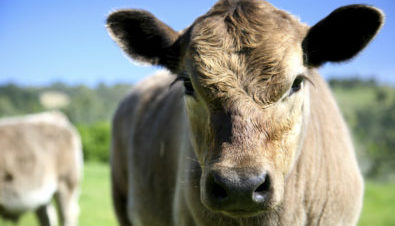
    As more and more livestock producers implement a proactive biosecurity strategy for their farms, the big question continues to be how biosecurity fits into producers going about their business and living their lives as normal.

    Learn more
  • Questions to ask harvest contractors to protect your property

    20 September 2019

    There are five questions you can ask to identify potential issues before your harvest contractor enters your property.

    Learn more
  • Getting on top of fruit flies in spring

    20 September 2019

    Spring, as the first fruits start to form, is the time to make sure your fruit fly management practices are up to date to protect your produce and nearby properties.

    Learn more
  • Pollination agreements with beekeepers prevent getting stung

    15 August 2019

    When hiring hives for pollination, many beekeepers and growers find it a good idea to have a pollination agreement. This approach has the advantage that the growers can specify exactly what they need.

    Learn more
  • Help at hand for growers and beekeepers

    15 August 2019

    Around 200,000 beehives will be transported around growing regions in southern Australia for pollination, making effective biosecurity more important than ever.

    Learn more
  • What it means to be an award-winning cattle producer

    14 August 2019

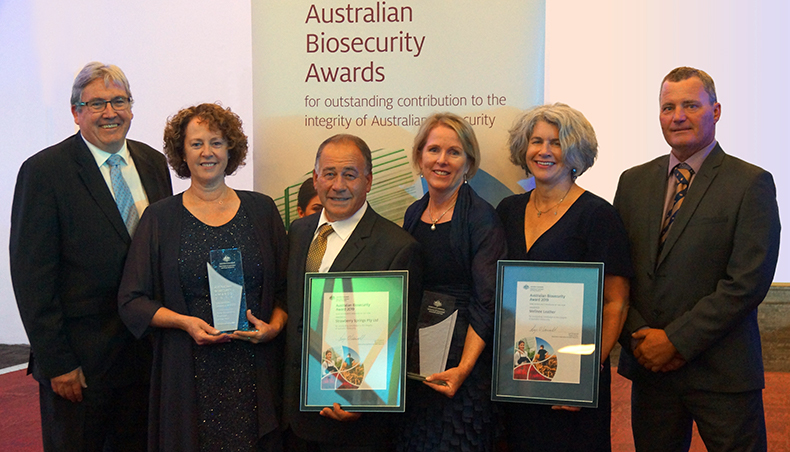
    Central Queensland cattle producer Melinee Leather and her husband Rob are leaders in applying sound on-farm biosecurity and animal welfare practices on their properties and sharing their knowledge with others.

    Learn more
  • Biosecurity helps prevent every owner’s nightmare

    14 August 2019

    A case of Hendra virus in the Hunter Valley in northern New South Wales has prompted AHA to issue a reminder to horse owners on the importance of biosecurity and early reporting of diseases.

    Learn more
PREV
  • 28
  • 29
  • 30
  • 31
  • 32
  • 33
  • 34
NEXT

Read the latest information on
Foot-and-mouth disease


Read the latest information on
Lumpy skin disease

Read the latest information on
Japanese encephalitis

Subscribe to our newsletter

Farm Biosecurity News

Use our profiler to make your

Biosecurity Toolkit

Latest News
  • 26 February 2021

    The importance of records in an incursion
  • 26 February 2021

    Integrated pest management best option for new leaf miner
  • 26 February 2021

    African swine fever still a threat
  • 26 February 2021

    Balancing rights and responsibilities on the land
  • 17 December 2020

    Have a merry Christmas and a biosecure New Year

Emergency Animal Disease Hotline
1800 675 888

Exotic Plant Pest Hotline
1800 084 881

  • Sitemap
  • Copyright
  • Contact us
  • Privacy & Disclaimer
  • Website by Morph Digital