Read the latest information on
Foot-and-mouth disease


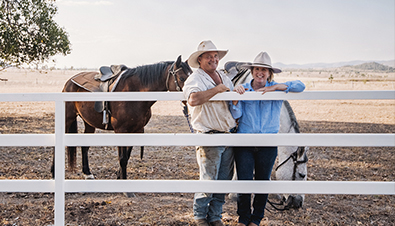
Central Queensland cattle producer Melinee Leather and her husband Rob are leaders in applying sound on-farm biosecurity and animal welfare practices on their properties and sharing their knowledge with others.
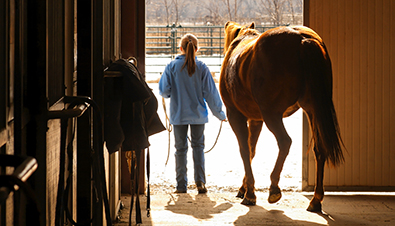
A case of Hendra virus in the Hunter Valley in northern New South Wales has prompted AHA to issue a reminder to horse owners on the importance of biosecurity and early reporting of diseases.
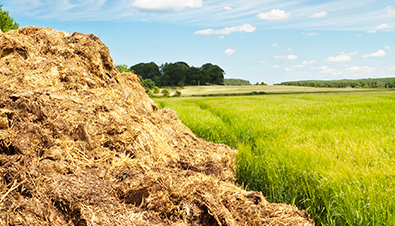
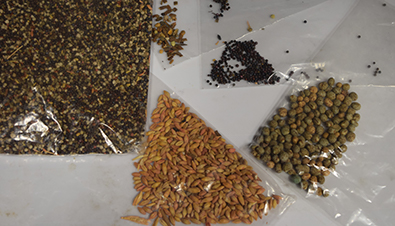
Many farmers use compost and manure for various soil structure and fertility benefits, but it can be a potential pathway for the spread of diseases, pests and weeds.
When does clean, really mean clean when it comes to purchasing a second-hand machine?
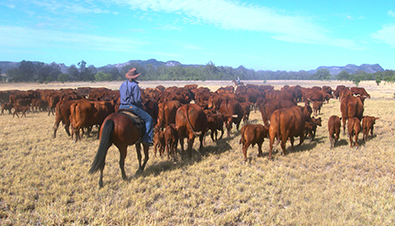
A number of detections of cattle tick Rhipicephalus (Boophilus) in tick-free zones have prompted Animal Health Australia to promote proactive biosecurity process and due diligence when buying or selling livestock.
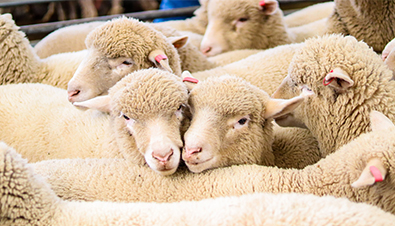
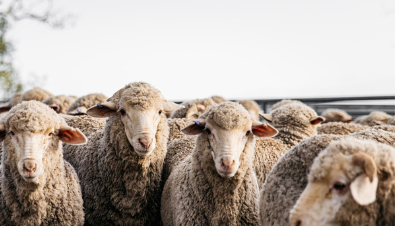
Buying or selling sheep? The movement of livestock presents one of the biggest risks for spreading disease to new properties and flocks. That is why, when livestock are sold, it is important to also provide any records related to their health and well-being. This assists the new owner in providing the best possible care to those animals in the future and to integrate them into an existing flock.
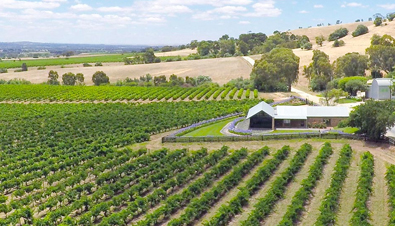
Sourcing information on how to secure your farm against diseases, pests and weeds just became a whole lot easier, with growers and producers now having improved access to a vast suite of resources on the Farm Biosecurity website.