Popular search terms
  • Biosecurity toolkit
  • Contact us
  • What is biosecurity?
  • Farm Biosecurity Program
  • Plant pest responses
  • Animal disease response
  • Farm profiler
  • Toolkit
  • Subscribe
  • About
    • About the Farm Biosecurity Program
    • Emergency animal disease responses
    • Emergency plant pest responses
  • Essentials
    • Farm inputs
    • Farm outputs
    • Ferals & weeds
      • Wild dog biosecurity
    • People, vehicles & equipment
    • Production practices
    • Train, plan & record
    • Videos
  • Toolkit
    • Gate sign
    • Create your own biosecurity kit
    • Declarations
    • Manuals
    • On-farm biosecurity planning
    • Records
  • Crops
    • Cotton
      • Cotton best management practice
      • Cotton product management
      • Cotton pests
    • Feed mills
    • Fruit & nuts
      • Fruit & nut pests
        • Apple and pear pests
        • Avocado pests
        • Banana pests
        • Cherry pests
        • Citrus pests
        • Mango pests
        • Nut pests
        • Papaya pests
        • Summerfruit pests
      • Fruit & nut product management
    • Grains
      • Grains pests
      • Grains product management
      • Grain storage options
    • Honey bees
      • BeeAware website and newsletter
      • Code of Practice and National Bee Biosecurity Program
      • Honey bee glossary
      • Honey bee product management
      • Honey bee pests
      • Honey bee best management practice
      • Beekeeper advisory – mosquito insecticide control during the 2022 Japanese encephalitis outbreak
    • Nursery & garden
      • Nursery & garden pests
      • Nursery & garden product management
      • Nursery & garden best management practice
    • Onions
      • Onion pest threats
      • Onion pest eradication or control examples
    • Plantation forestry
      • Forestry biosecurity practices
      • Forestry pests
      • Hypothetical exotic bark beetle incursion
      • Plantation forestry quality assurance
    • Potatoes
      • Potato pest threats
      • Potato biosecurity areas
    • Sugarcane
      • Sugarcane best management practice
      • Sugarcane biosecurity essentials
      • Queensland Sugarcane Biosecurity Zones
      • Sugarcane pests and weeds
    • Vegetables
      • Vegetable pests
      • Vegetable product management
    • Viticulture
      • Phylloxera
      • Viticulture pests
      • Viticulture product management
  • Livestock
    • Alpacas
    • Beef cattle
    • Chickens
    • Dairy cattle
    • Ducks
    • Eggs
    • Feed mills
    • Goats
    • Horses
      • Mosquito Management for Horses
    • Lot feeding
    • New and emerging livestock industries
    • Pigs
      • Feeding your pigs
      • Controlling mosquitoes around piggeries
      • Pig biosecurity management resources
    • Ratites
    • Sheep
    • Zoo animals
  • Get help
    • Animal health and biosecurity extension
      • Property biosecurity management planning
  • News
    • E-newsletter
    • Subscribe to Farm Biosecurity News
  • Stories
  • Videos

Good biosecurity = good business for sheep and wool producers

Print this page
  • Home
  • News
  • Good biosecurity = good business for sheep and wool producers

Good biosecurity = good business for sheep and wool producers

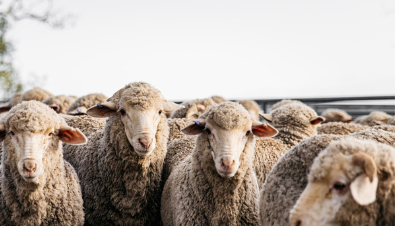
Strong biosecurity helps keep sheep healthy and productive while protecting the long-term performance of your business. Managing newly introduced stock and requesting sheep health records are simple steps that can help protect your flock from costly diseases and pests while building a more resilient business.

Biosecurity protects investment and reduces disease costs

Productive sheep enterprises are built on sound management decisions that protect animal health, reduce disease risk and maintain flock performance. They also require a significant investment of time, resources and capital.

Protecting that investment requires a proactive approach to biosecurity.

Poor or inconsistent biosecurity can lead to significant financial impacts, including:

  • slower growth rates, reduced reproductive outcomes and delayed market readiness
  • impacts on wool quality
  • increased agricultural and veterinary treatment costs
  • increased labour.

A disease outbreak can affect business performance to varying degrees, depending on the disease and its severity. It can impact your income if market access is disrupted and create additional costs if different regulatory requirements must be met.

By making biosecurity part of routine farm management, producers can reduce the risk of preventable diseases becoming costly problems.

Practical biosecurity measures

While no biosecurity practice can eliminate risk entirely, having robust measures in place helps producers manage risks.

Put simply, biosecurity is a business management tool that helps protect your flock and your bottom line.

Practical biosecurity measures include:

  • monitoring flock health and keeping accurate records
  • requesting the Sheep Health Declaration (SHD) when introducing sheep to a property or flock
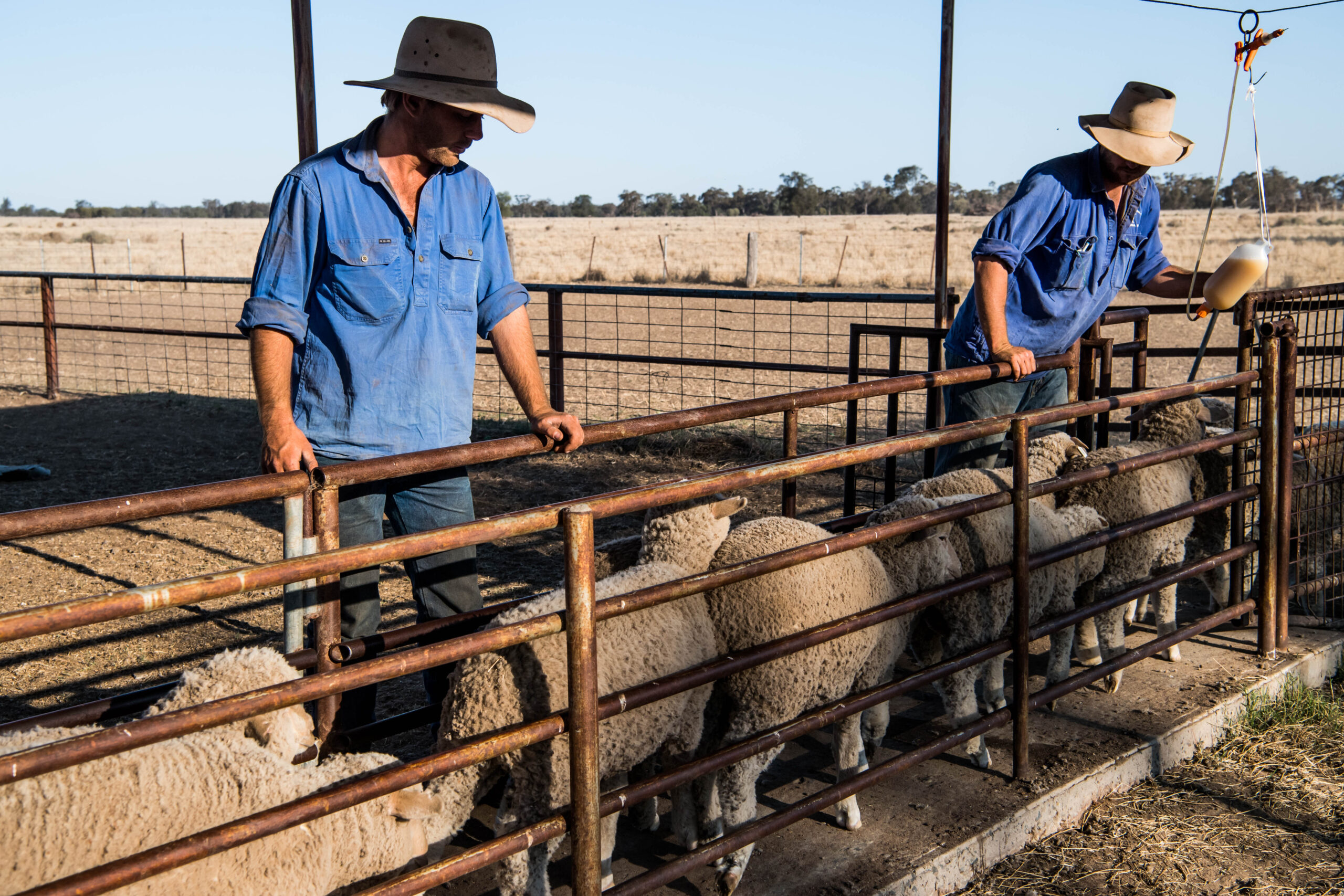
  • quarantining introduced stock for several weeks
  • cleaning vehicles and equipment
  • assessing any imported feed for pests and seeds
  • minimising and monitoring contact with feral animals and neighbouring livestock
  • routinely assessing and managing disease risks through animal health programs such as vaccination, drenching and other preventive measures
  • having clear signage to help convey your biosecurity requirements to others visiting your property.

Many properties will have a biosecurity plan in place. If you don’t have one, the farm biosecurity action planner is a good place to start.

Biosecurity planning is an important step to identify biosecurity risks on your farm and design steps to mitigate them. Implementing these planned activities then becomes a part of everyday practice.

Having a dedicated biosecurity plan also allows you to easily review your protocols as risks change.

____________________________________________________________________________________________________________________

Case study: Sheep lice can be costly

Sheep lice are a good example of how inadequate biosecurity can affect business performance.

Lice can spread through a flock before they are detected. While losses may be limited at first, untreated infestations can reduce wool quantity and value over time while increasing treatment and management costs.

Simple biosecurity measures such as quarantining introduced sheep, inspecting them regularly, maintaining good boundary fences and managing stray animals can help reduce the risk of introducing lice onto your property.

Find out more: Sheep Lice – Biosecurity Can Prevent Introduction (LiceBoss).
____________________________________________________________________________________________________________________

Biosecurity adds value to livestock

Biosecurity practices can also add value to routine livestock transactions and movements.

When purchasing sheep, it’s important to know what you’re bringing onto your property. Sheep with an unknown or poorly documented health status can bring diseases, parasites or other health challenges onto a property. Access to relevant animal health and biosecurity information can help buyers better understand these risks before purchase.

The Sheep Health Declaration (SHD) is a valuable tool in this process. It provides key information about a flock, including past treatments, vaccination history and other details that may help buyers assess risk.

For buyers, the SHD supports timely, informed decision-making and effective planning for ongoing management to enhance on-farm biosecurity.

For sellers, the SHD provides an opportunity to demonstrate their flock’s health status and on-farm biosecurity practices, helping build buyer confidence and support future trading relationships.

Benefits beyond the farm gate

The benefits of biosecurity extend beyond the farm gate. Strong biosecurity practices support confidence in Australia’s sheep industry, helping maintain the reputation of Australian sheep and wool products and underpinning access to domestic and international markets.

By protecting your flock and your business, you’re also helping strengthen Australia’s sheep and wool industries.

Useful links

  • Quarantine your new livestock like a pro – Farm Biosecurity
  • Records that protect your business – Farm Biosecurity
  • Sheep – Farm Biosecurity
  • Property biosecurity management planning
  • Sheep Lice – Biosecurity Can Prevent Introduction – LiceBoss

Read the latest information on
Foot-and-mouth disease

Read the latest information on
Lumpy skin disease

Read the latest information on
Japanese encephalitis

Subscribe to our newsletter

Farm Biosecurity News

Use our profiler to make your

Biosecurity Toolkit

Latest News
  • 26 August 2026

    Be response ready if something happens
  • 26 August 2026

    Build a simple on-farm biosecurity plan
  • 26 August 2026

    Good biosecurity = good business for sheep and wool producers
  • 24 August 2026

    National Biosecurity Week 2026 puts prevention and preparedness in focus
  • 16 July 2026

    Protect your flock from H5 bird flu – biosecurity lessons from around the world

Emergency Animal Disease Hotline
1800 675 888

Exotic Plant Pest Hotline
1800 084 881

  • Sitemap
  • Copyright
  • Contact us
  • Privacy & Disclaimer
  • Website by Morph Digital