Read the latest information on
Foot-and-mouth disease



Plant Health Australia and Animal Health Australia offer free online biosecurity training through their BOLT eLearning platforms. Explore a range of self-paced courses covering preparedness, response arrangements and practical biosecurity topics for the plant and animal sectors.
AUSPestCheck® brings together plant pest surveillance data from across Australia, helping users identify gaps, reduce duplication and support evidence-based decision-making. Recent enhancements have improved secure data sharing and strengthened integration with other biosecurity platforms.
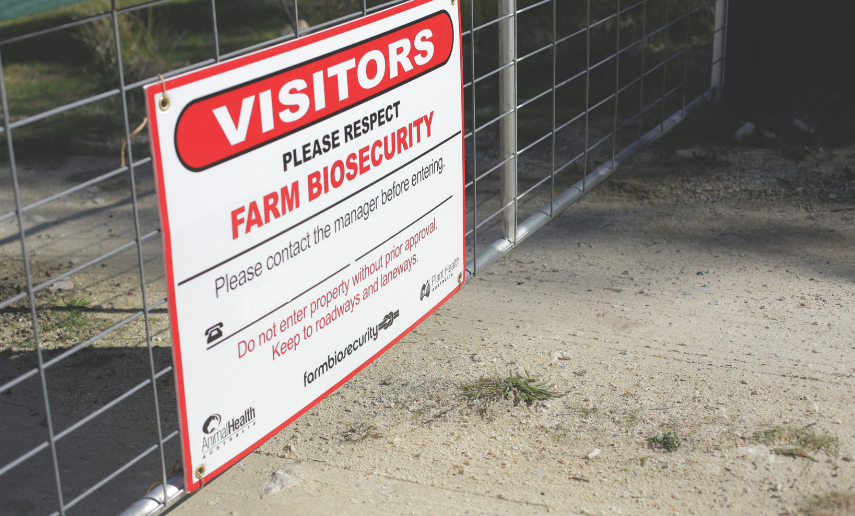
The way people, vehicles, equipment and deliveries enter your property can influence biosecurity risk. Learn how property maps, signage, access routes and clean-down areas can help manage movement and reduce the risk of pests, diseases and weeds entering your property.
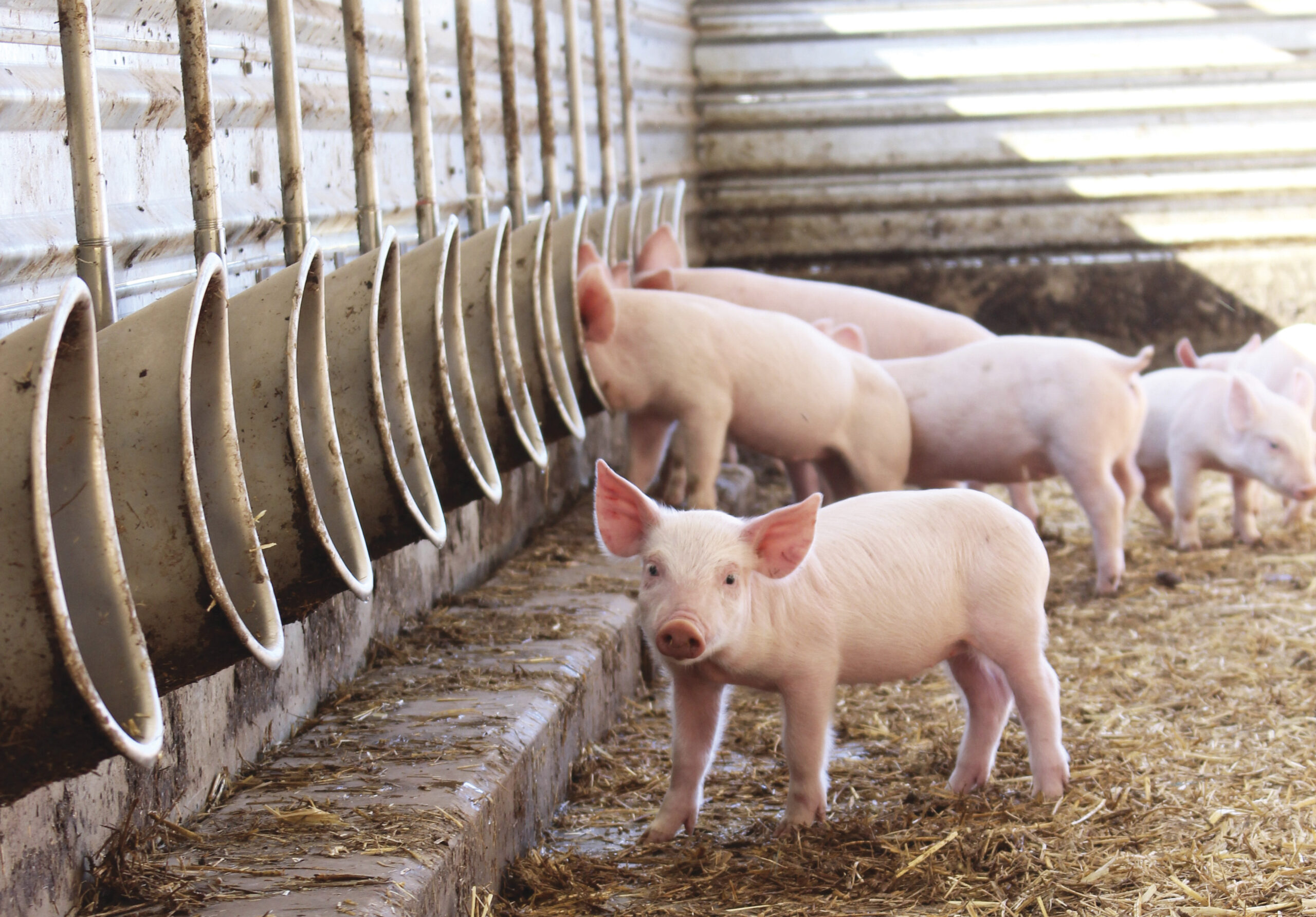
Dr Kirsty Richards, the 2025 Australian Biosecurity Award (Industry) winner, shares the key threats facing the pig industry, what producers are doing well, and practical actions that producers can take to help safeguard pig businesses.

Being ready for a biosecurity incident can make it easier to respond and reduce disruption on your property. Simple steps such as keeping records, managing movement and informing staff can help support a faster, more effective biosecurity response.
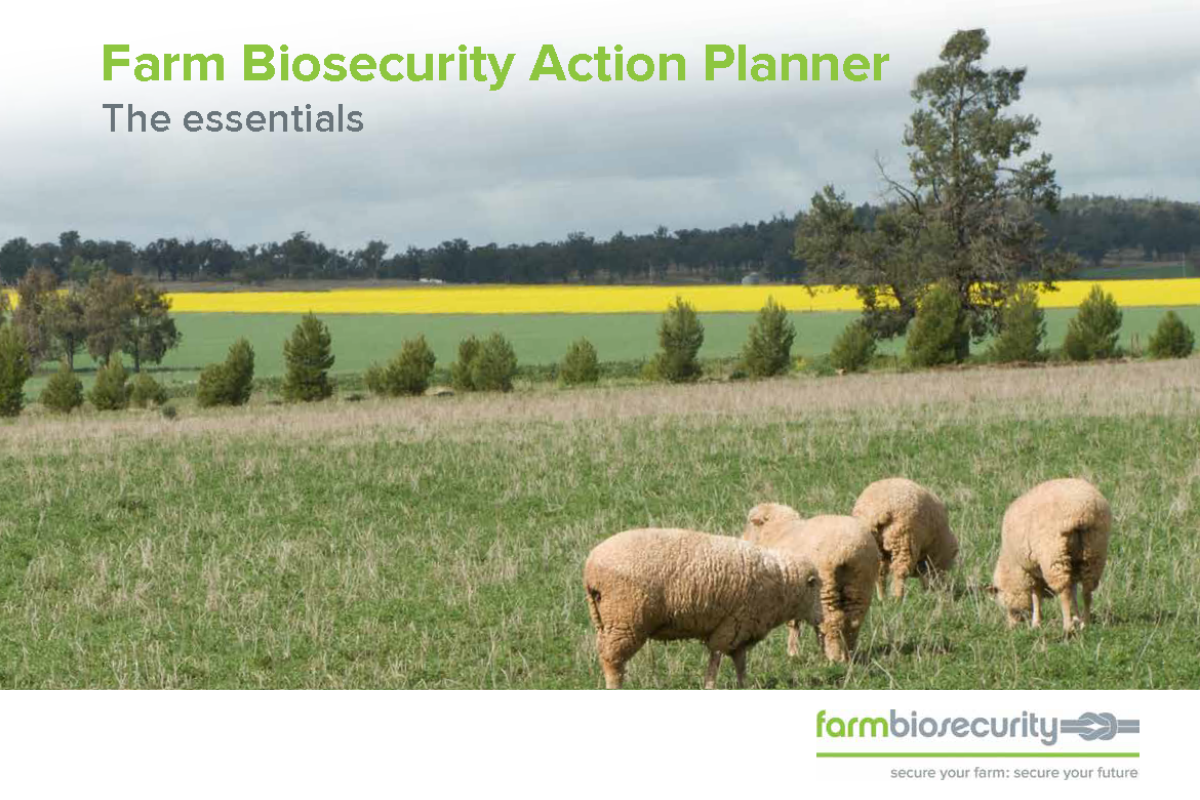
A simple biosecurity plan helps identify risks, set clear expectations and support day to day biosecurity practices on your property. Keeping it practical and tailored to your property can make it easier to manage risks and respond if something unusual occurs.
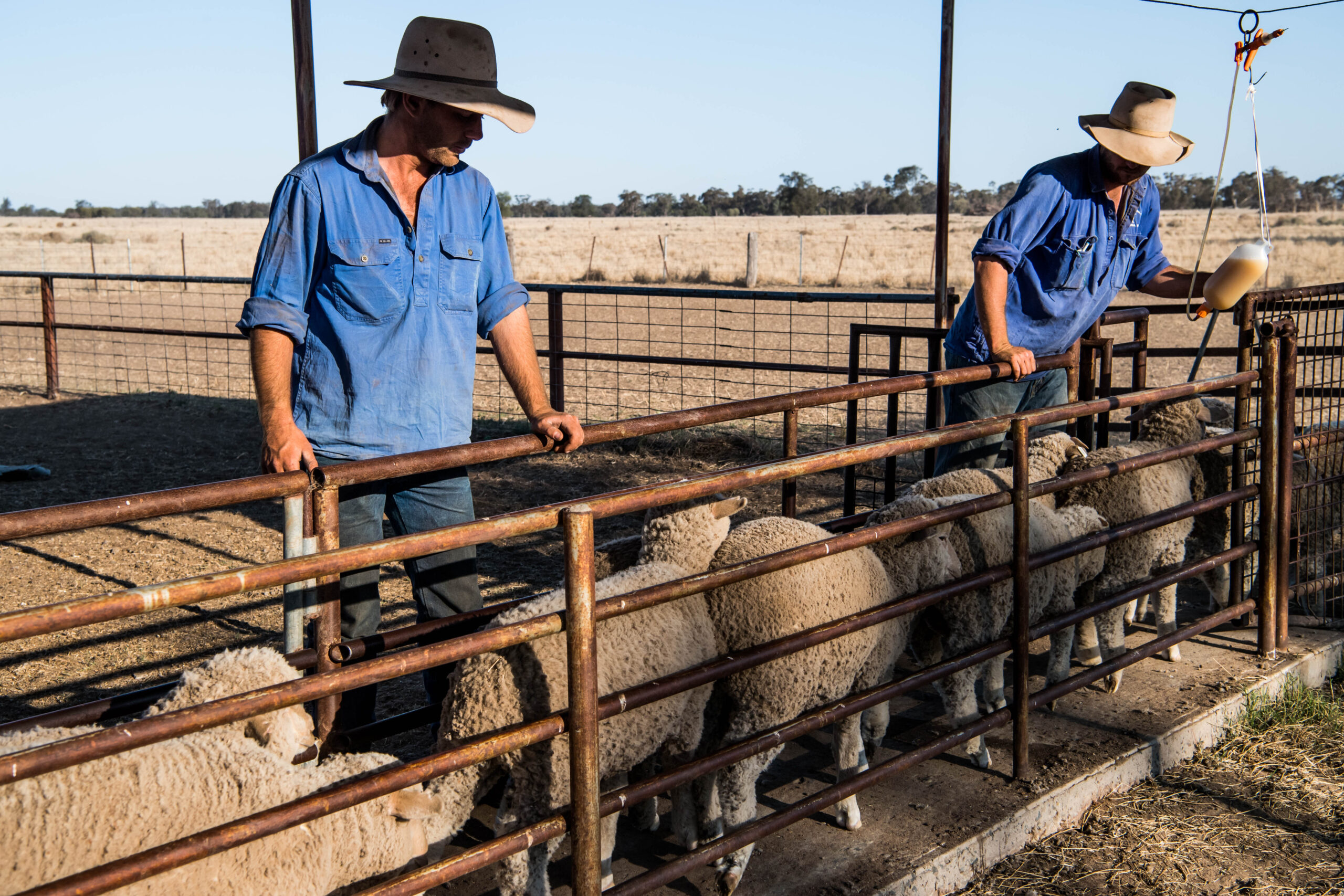
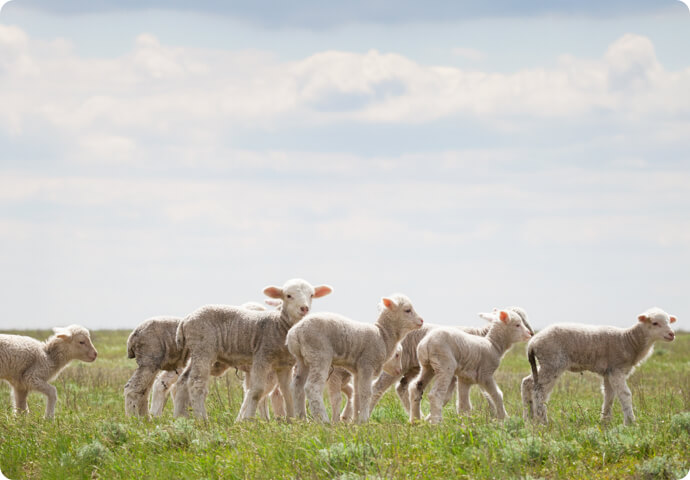
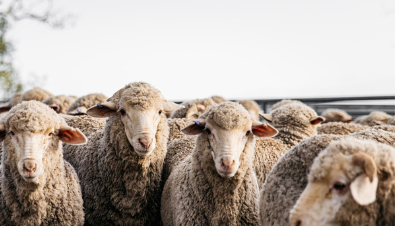
Strong biosecurity helps keep sheep healthy and productive while protecting the long-term performance of your business.