Popular search terms
  • Biosecurity toolkit
  • Contact us
  • What is biosecurity?
  • Farm Biosecurity Program
  • Plant pest responses
  • Animal disease response
  • Farm profiler
  • Toolkit
  • Subscribe
  • About
    • About the Farm Biosecurity Program
    • Emergency animal disease responses
    • Emergency plant pest responses
  • Essentials
    • Farm inputs
    • Farm outputs
    • Ferals & weeds
      • Wild dog biosecurity
    • People, vehicles & equipment
    • Production practices
    • Train, plan & record
    • Videos
  • Toolkit
    • Gate sign
    • Create your own biosecurity kit
    • Declarations
    • Manuals
    • On-farm biosecurity planning
    • Records
  • Crops
    • Cotton
      • Cotton best management practice
      • Cotton product management
      • Cotton pests
    • Feed mills
    • Fruit & nuts
      • Fruit & nut pests
        • Apple and pear pests
        • Avocado pests
        • Banana pests
        • Cherry pests
        • Citrus pests
        • Mango pests
        • Nut pests
        • Papaya pests
        • Summerfruit pests
      • Fruit & nut product management
    • Grains
      • Grains pests
      • Grains product management
      • Grain storage options
    • Honey bees
      • BeeAware website and newsletter
      • Code of Practice and National Bee Biosecurity Program
      • Honey bee glossary
      • Honey bee product management
      • Honey bee pests
      • Honey bee best management practice
      • Beekeeper advisory – mosquito insecticide control during the 2022 Japanese encephalitis outbreak
    • Nursery & garden
      • Nursery & garden pests
      • Nursery & garden product management
      • Nursery & garden best management practice
    • Onions
      • Onion pest threats
      • Onion pest eradication or control examples
    • Plantation forestry
      • Forestry biosecurity practices
      • Forestry pests
      • Hypothetical exotic bark beetle incursion
      • Plantation forestry quality assurance
    • Potatoes
      • Potato pest threats
      • Potato biosecurity areas
    • Sugarcane
      • Sugarcane best management practice
      • Sugarcane biosecurity essentials
      • Queensland Sugarcane Biosecurity Zones
      • Sugarcane pests and weeds
    • Vegetables
      • Vegetable pests
      • Vegetable product management
    • Viticulture
      • Phylloxera
      • Viticulture pests
      • Viticulture product management
  • Livestock
    • Alpacas
    • Beef cattle
    • Chickens
    • Dairy cattle
    • Ducks
    • Eggs
    • Feed mills
    • Goats
    • Horses
      • Mosquito Management for Horses
    • Lot feeding
    • New and emerging livestock industries
    • Pigs
      • Feeding your pigs
      • Controlling mosquitoes around piggeries
      • Pig biosecurity management resources
    • Ratites
    • Sheep
    • Zoo animals
  • Get help
    • Animal health and biosecurity extension
      • Property biosecurity management planning
  • News
    • E-newsletter
    • Subscribe to Farm Biosecurity News
  • Stories
  • Videos

The National Lumpy Skin Disease Action Plan has been released – but what does this mean?

Print this page
  • Home
  • The National Lumpy Skin Disease Action Plan has been released – but what does this mean?

The National Lumpy Skin Disease Action Plan has been released – but what does this mean?

On 13 October 2022, the Minister for Agriculture, Fisheries and Forestry released the National Lumpy Skin Disease Action Plan.

It was developed with extensive consultation between the Australian government, state and territory governments, industry groups, and non-governmental stakeholders.

The plan sets out national priorities for actions to strengthen Australia’s preparedness, outlining eight objectives and 27 activities aimed at improving Australia’s preparedness for a potential incursion of lumpy skin disease (LSD).

A summary of the objectives and activities are outlined below, and the full plan with further detail can be found here.

Objective 1: International engagement. Strengthen collaboration and engagement within the region to strategically address the risks of LSD.

Objective 2: Border biosecurity and trade. Augment industry-government collaboration and communication on the border biosecurity risks of LSD to Australia and strategically address technical market access barriers.

Objective 3: Diagnostic capability and capacity. Ensure that Australia’s national diagnostic network provides reliable LSD testing capability and capacity.

Objective 4: Surveillance. Optimise government and industry investment in LSD surveillance.

Objective 5: Preparedness and response. Enhance the LSD preparedness and emergency response capacity and capability of industries and governments, and clearly define roles and responsibilities.

Objective 6: Awareness and communications. Facilitate stronger engagement between governments and industry through a comprehensive and adaptable communication strategy for LSD.

Objective 7: Research and innovation. Improve Australia’s LSD preparedness and response through research priorities driven by industry and government needs, and ensure new knowledge is freely accessible.

Objective 8: Recovery. Mitigate the economic and social effects of an outbreak of LSD by developing options for a recovery strategy.


But what does this mean for producers?

These actions are critically important to protect Australia’s cattle and other livestock industries from the growing threat of this disease, and a number of the objectives may feed into the day-to-day practices you conduct on-farm.

  • Producers should be familiar with the of signs and symptoms of LSD illness.
  • Producers (especially in northern Australia) should keep a keen eye out for any signs of illness among animals and should report possible cases to their vet or the EAD Watch Hotline immediately.

It is important to remember that all increased efforts will directly contribute to the mitigation of production loss industry-wide should Australia see an incursion.

For more information, and to see the National LSD Action Plan in full, visit www.agriculture.gov.au/lumpyskin and keep an eye on the Farm Biosecurity website for updates specific to producers.

Read the latest information on
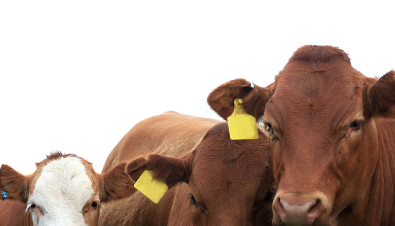
Foot-and-mouth disease


Read the latest information on
Lumpy skin disease

Read the latest information on
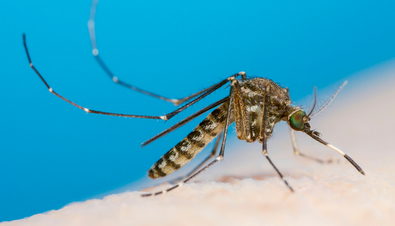
Japanese encephalitis

Subscribe to our newsletter

Farm Biosecurity News

Use our profiler to make your

Biosecurity Toolkit

Latest News
  • 11 November 2026

    Help shape the future of Farm Biosecurity content
  • 10 November 2026

    Allen’s Warrawee Park wins Farm Biosecurity Producer of the Year
  • 9 November 2026

    H5 bird flu: what to do if you find sick or dead wildlife on your farm
  • 6 November 2026

    Is your farm biosecurity plan working?
  • 5 November 2026

    Protect your pigs against Japanese encephalitis this mosquito season

Emergency Animal Disease Hotline
1800 675 888

Exotic Plant Pest Hotline
1800 084 881

  • Sitemap
  • Copyright
  • Contact us
  • Privacy & Disclaimer
  • Website by Morph Digital