Read the latest information on
Foot-and-mouth disease

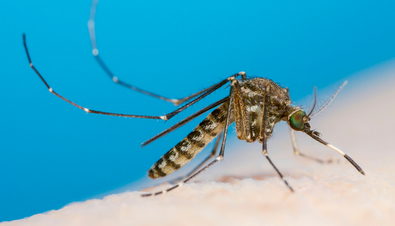
Recent detections of Japanese encephalitis virus (JEV) in commercial pigs in Queensland are a timely reminder for pig producers to prepare for mosquito season.
As mosquito numbers rise in spring and summer, now is the time to review your mosquito management plan, reduce insect breeding sites around your property, and monitor pigs for signs of disease.
Japanese encephalitis is a viral disease spread by mosquitoes that can affect both animals and people. It naturally circulates between mosquitoes, waterbirds and pigs, but it does not spread directly between animals or between animals people.
While many infected animals show no obvious signs of disease, JEV remains a nationally notifiable disease because it can cause significant reproductive losses in pigs.
Since the widespread outbreak in 2022, the virus has continued to circulate in parts of eastern Australia. Seasonal detections are expected, particularly during periods of increased mosquito activity.
JEV can cause reproductive losses in pigs. Signs can include:
If you suspect JEV in your piggery, you must report it within 24 hours. Contact your herd or local government veterinarian or call the Emergency Animal Disease Hotline on 1800 675 888.
Visit Australian Pork for more JEV resources.
Reduce the risk of JEV spreading to your property and impacting your business. Consider these practical actions.
Also protect yourself and your staff from exposure to mosquitos that may carry JEV. Avoid mosquito bites by taking these precautions.
An effective mosquito management program targets mosquitoes at all stages of their lifecycle and forms an important part of a property’s biosecurity plan.
The Farm Biosecurity website hosts resources to assist with mosquito control around piggeries.
Visit Controlling mosquitoes around piggeries for more information on the mosquito lifecycle and how to protect yourself and your livestock.