Popular search terms
  • Biosecurity toolkit
  • Contact us
  • What is biosecurity?
  • Farm Biosecurity Program
  • Plant pest responses
  • Animal disease response
  • Farm profiler
  • Toolkit
  • Subscribe
  • About
    • About the Farm Biosecurity Program
    • Emergency animal disease responses
    • Emergency plant pest responses
  • Essentials
    • Farm inputs
    • Farm outputs
    • Ferals & weeds
      • Wild dog biosecurity
    • People, vehicles & equipment
    • Production practices
    • Train, plan & record
    • Videos
  • Toolkit
    • Gate sign
    • Create your own biosecurity kit
    • Declarations
    • Manuals
    • On-farm biosecurity planning
    • Records
  • Crops
    • Cotton
      • Cotton best management practice
      • Cotton product management
      • Cotton pests
    • Feed mills
    • Fruit & nuts
      • Fruit & nut pests
        • Apple and pear pests
        • Avocado pests
        • Banana pests
        • Cherry pests
        • Citrus pests
        • Mango pests
        • Nut pests
        • Papaya pests
        • Summerfruit pests
      • Fruit & nut product management
    • Grains
      • Grains pests
      • Grains product management
      • Grain storage options
    • Honey bees
      • BeeAware website and newsletter
      • Code of Practice and National Bee Biosecurity Program
      • Honey bee glossary
      • Honey bee product management
      • Honey bee pests
      • Honey bee best management practice
      • Beekeeper advisory – mosquito insecticide control during the 2022 Japanese encephalitis outbreak
    • Nursery & garden
      • Nursery & garden pests
      • Nursery & garden product management
      • Nursery & garden best management practice
    • Onions
      • Onion pest threats
      • Onion pest eradication or control examples
    • Plantation forestry
      • Forestry biosecurity practices
      • Forestry pests
      • Hypothetical exotic bark beetle incursion
      • Plantation forestry quality assurance
    • Potatoes
      • Potato pest threats
      • Potato biosecurity areas
    • Sugarcane
      • Sugarcane best management practice
      • Sugarcane biosecurity essentials
      • Queensland Sugarcane Biosecurity Zones
      • Sugarcane pests and weeds
    • Vegetables
      • Vegetable pests
      • Vegetable product management
    • Viticulture
      • Phylloxera
      • Viticulture pests
      • Viticulture product management
  • Livestock
    • Alpacas
    • Beef cattle
    • Chickens
    • Dairy cattle
    • Ducks
    • Eggs
    • Feed mills
    • Goats
    • Horses
      • Mosquito Management for Horses
    • Lot feeding
    • New and emerging livestock industries
    • Pigs
      • Feeding your pigs
      • Controlling mosquitoes around piggeries
      • Pig biosecurity management resources
    • Ratites
    • Sheep
    • Zoo animals
  • Get help
    • Animal health and biosecurity extension
      • Property biosecurity management planning
  • News
    • E-newsletter
    • Subscribe to Farm Biosecurity News
  • Stories
  • Videos

Build a simple on-farm biosecurity plan

Print this page
  • Home
  • News
  • Build a simple on-farm biosecurity plan

Build a simple on-farm biosecurity plan

A simple on-farm biosecurity plan can help protect your business and make day-to-day biosecurity easier to manage.

It does not need to be long or complicated. A useful biosecurity plan identifies where risks could enter your property, how they are managed and who is responsible for key actions.

A practical plan can help staff, contractors and visitors understand what is expected. It can also make it easier to respond if something unusual is found.

Why a biosecurity plan matters

Planning ahead makes biosecurity easier to put into practice. A simple plan can help you:

  • identify the main biosecurity risks for your property
  • manage the movement of people, vehicles and equipment
  • reduce the risk of pests, diseases and weeds entering or spreading
  • make sure staff know what to do if something unusual is found
  • keep important contacts, maps and records easy to access.

The most effective plan is one that people can understand and use.

Start with your property map

A property map is a useful starting point because it shows where risks may enter and spread across your property. It helps staff and contractors understand where they can go, where they should clean down, and which areas require extra care.

Your map could include:

  • main entry and exit points
  • visitor parking areas
  • production areas, sheds and storage areas
  • clean-down or wash-down areas
  • waste disposal areas
  • high-risk areas, such as locations where deliveries or machinery enter the property
  • areas where access should be limited.

What to include in your plan

Your plan should reflect how your property operates. It does not need to cover everything at once, but it should focus on the areas that present the greatest risk.

People, vehicles and equipment
Consider:

  • how visitors and contractors access the property
  • where vehicles and equipment can go
  • a farm gate sign for visitors
  • cleaning and hygiene requirements
  • what records need to be kept.

Farm inputs and outputs
Record:

  • where inputs such as seed, plants, feed, soil, compost or mulch come from
  • how outputs such as produce, plant material or waste leaves the property
  • what checks or records are needed for these movements.

Monitoring and reporting
Include:

  • how crops or production areas are checked
  • what ‘normal’ looks like for your property
  • what staff should do if they find something unusual.

Records and responsibilities
Make it clear:

  • who is responsible for keeping records up to date
  • where records are stored
  • how staff and contractors are briefed
  • when the plan should be reviewed.

Keep it practical

A biosecurity plan should fit the way your property operates.

Focus on the highest-risk activities first, make responsibilities clear and keep records and contact details easy to find.

Review the plan when your business, staff, production systems or property layout changes.

Use available tools and resources

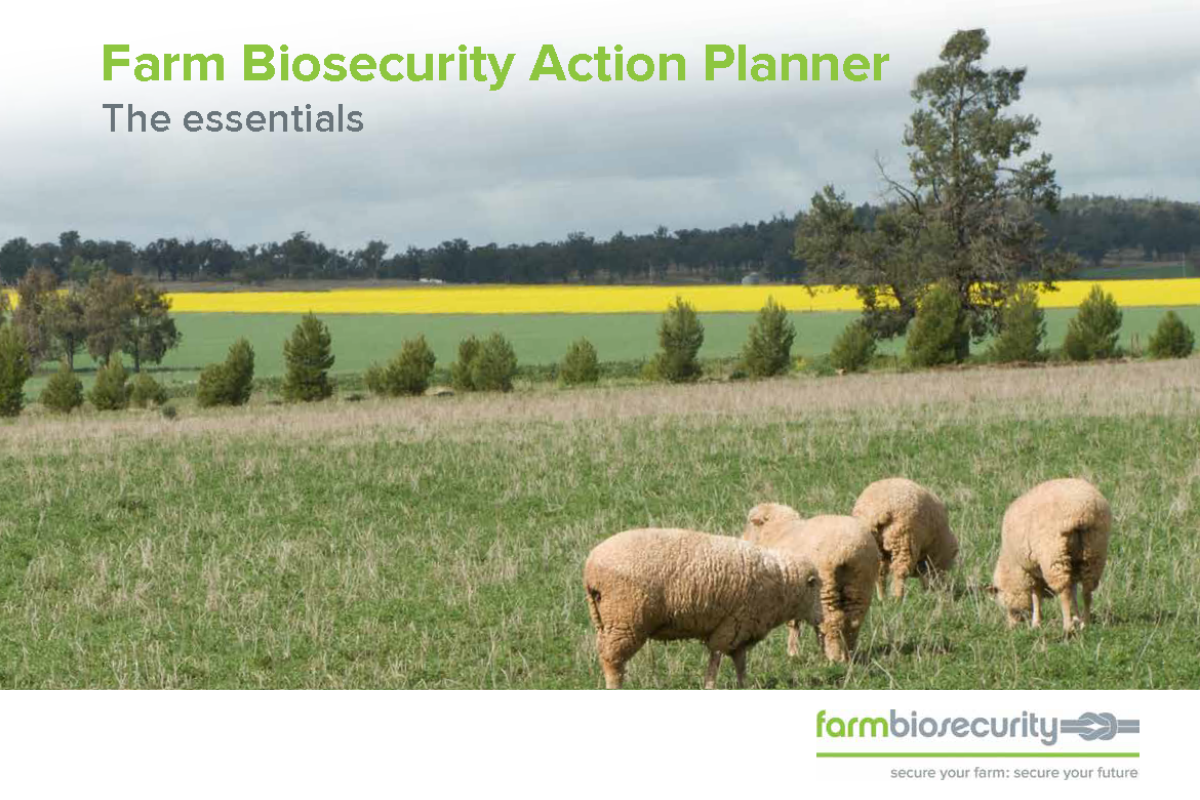
You do not need to start from scratch. The Farm Biosecurity Action Planner can help you build a plan that suits your property.

For guidance on specific parts of your plan, read:

  • Biosecurity basics for growers to understand the key principles of on-farm biosecurity
  • Come clean, go clean to reduce biosecurity risks for cleaning and hygiene practices
  • Know what’s normal to spot problems early for monitoring and surveillance
  • Records that protect your business for record keeping
  • What to do when something looks unusual for reporting and first steps.

A simple biosecurity plan can guide day-to-day decisions and make it easier to respond if something unusual is found.

Read the latest information on
Foot-and-mouth disease

Read the latest information on
Lumpy skin disease

Read the latest information on
Japanese encephalitis

Subscribe to our newsletter

Farm Biosecurity News

Use our profiler to make your

Biosecurity Toolkit

Latest News
  • 26 August 2026

    Be response ready if something happens
  • 26 August 2026

    Build a simple on-farm biosecurity plan
  • 26 August 2026

    Good biosecurity = good business for sheep and wool producers
  • 24 August 2026

    National Biosecurity Week 2026 puts prevention and preparedness in focus
  • 16 July 2026

    Protect your flock from H5 bird flu – biosecurity lessons from around the world

Emergency Animal Disease Hotline
1800 675 888

Exotic Plant Pest Hotline
1800 084 881

  • Sitemap
  • Copyright
  • Contact us
  • Privacy & Disclaimer
  • Website by Morph Digital