Read the latest information on
Foot-and-mouth disease

Farm inputs can provide pathways for pests, diseases and weeds to enter your property.
Seed, seedlings, planting material, soil, compost, mulch, fertiliser, machinery and equipment can all carry biosecurity risks that may not be immediately obvious. Livestock, feed and fodder can also introduce pests and weeds.
Knowing where inputs come from, checking them when they arrive and keeping appropriate records can help manage these risks.
Know where your inputs come from
Use reputable suppliers and ask for relevant information about the source and biosecurity status of incoming products. This may include certificates, declarations, treatment information or other documentation.
Keep supplier details and relevant records so you can trace where an input came from and where it was used if a problem is identified later.
Check seed and planting material
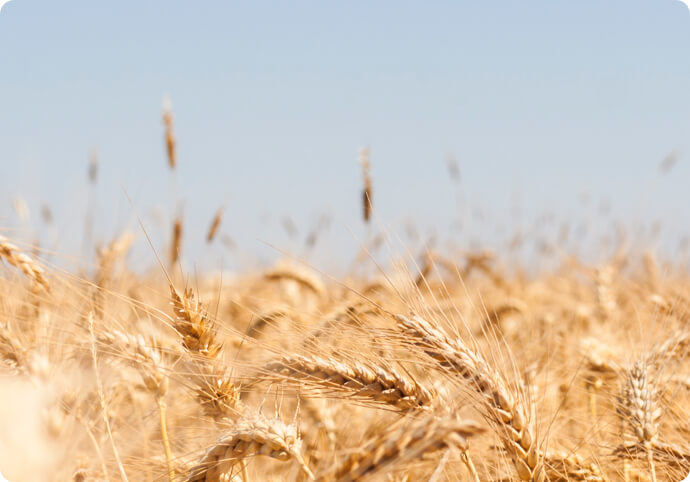
Seed, seedlings, nursery stock and other planting material can carry pests and pathogens, even when they appear healthy.
Check incoming material for signs of pests, disease or contamination before moving it into production areas. Where possible, use certified or tested planting material and check that any required documentation has been provided.
Depending on what you grow, keep new planting material separate from established crops while it is inspected and monitored.
If something does not look right, avoid moving it further around the property until you have sought advice.
Check soil, compost and mulch
Soil, compost, mulch, fertiliser and other growing materials can introduce pests, pathogens and weed seeds.
Check where these materials have come from and how they were produced or stored. Consider how organic materials, including manure and green waste, have been treated or composted to reduce potential biosecurity risks.
Consider where deliveries are unloaded. Keeping higher-risk materials away from production areas until they have been checked can help prevent unwanted material spreading around the property.
Consider water sources
Water can also provide a pathway for pests, pathogens and weed seeds. Consider where irrigation water comes from and whether there is a risk of contamination.
Include water sources, storage areas and irrigation systems when assessing biosecurity risks on your property.
Check machinery and equipment
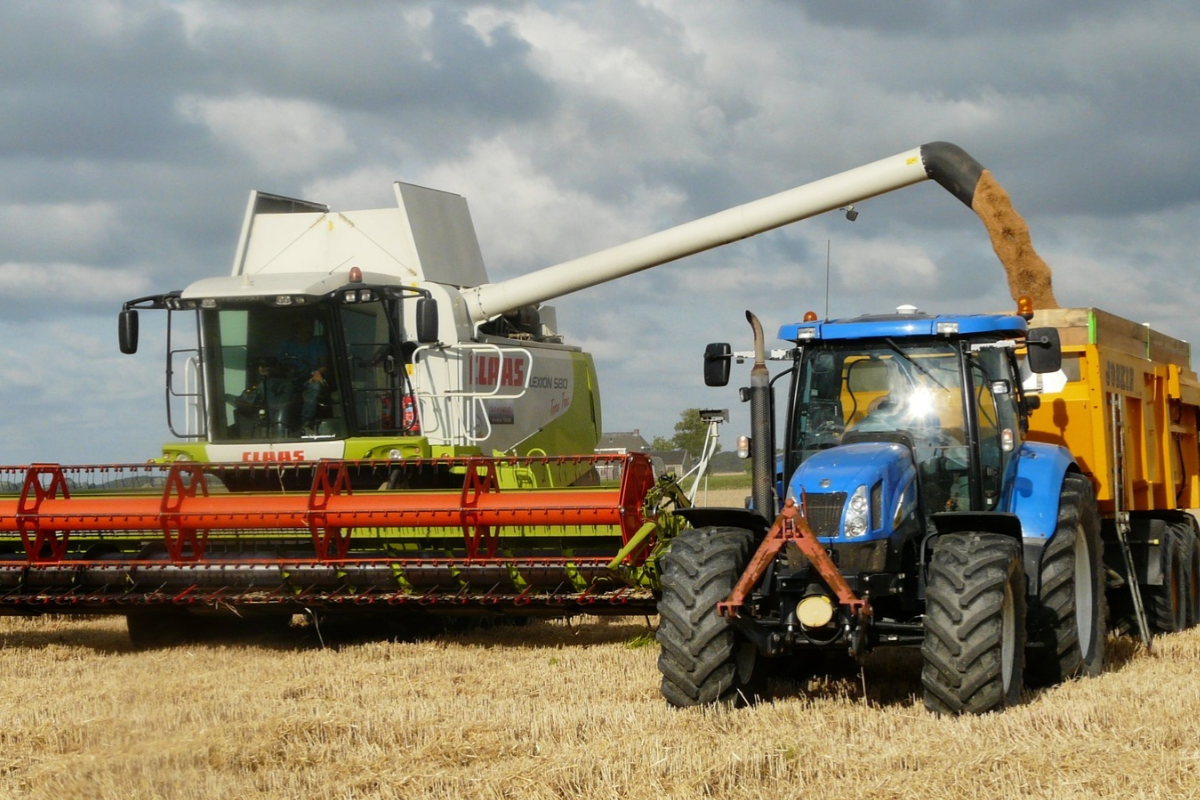
Machinery, vehicles, tools and equipment moving between properties can carry soil, plant material, pests, pathogens and weed seeds.
Before machinery enters production areas, check that it is clean and free from visible soil and organic material. Pay particular attention to tyres, tracks, wheel wells, guards and other areas where material can accumulate.
Hired machinery and contractor equipment should meet your property’s biosecurity requirements before use. Make sure contractors understand where to enter and where equipment can be inspected or cleaned before they arrive.
For more detailed guidance on access and hygiene requirements, see People, vehicles and equipment.
Check livestock, feed and fodder
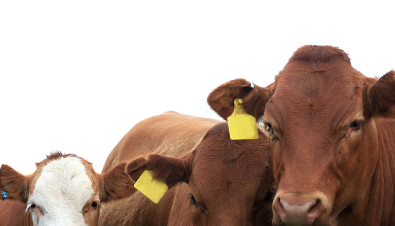
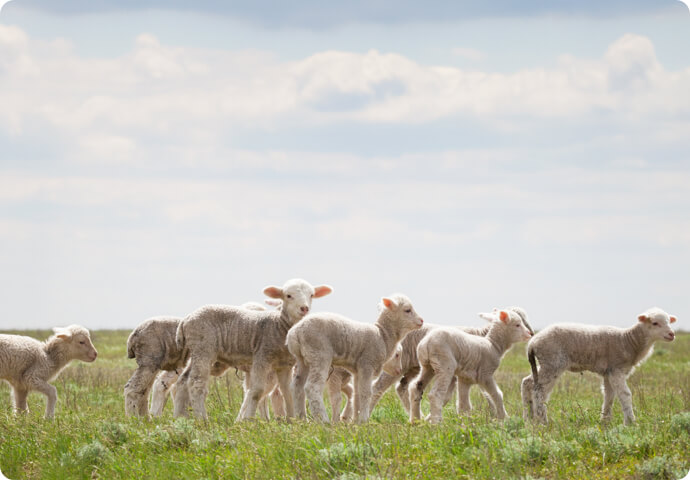
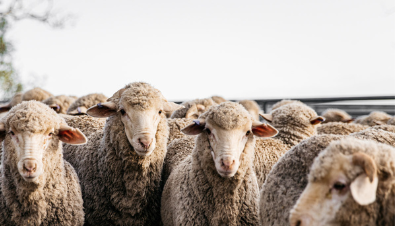
Livestock, feed and fodder can also introduce pests, weeds and other unwanted material onto a property.
Check the source and condition of incoming feed and fodder, as these can also carry weed seeds or other unwanted material.
For livestock movements, animal health declarations and statements can provide additional information about the health and biosecurity status of incoming stock.
For livestock-specific guidance, see the Declarations and statements toolkit.
Make checks part of farm management
The Farm Biosecurity Action Planner can help you identify higher-risk inputs and put appropriate measures in place for your property.
Continue monitoring newly introduced plants and areas where new materials have been used or stored.
If you find something unusual, avoid moving potentially affected material and seek advice. Suspected exotic plant pests or diseases should be reported to the Exotic Plant Pest Hotline on 1800 084 881.
For more detailed guidance on managing incoming goods and materials, see the Farm inputs resources.
Related articles
This article is part of the Biosecurity basics series, which explores simple, practical actions to reduce biosecurity risks on farm.
Read other articles in the series: